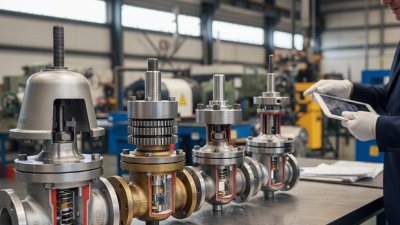
Top Camlock Valve Types for Efficient Fluid Transfer and Connection?
In the realm of fluid transfer, the Camlock Valve stands out as a vital component. This valve type offers a reliable and efficient way to connect hoses and pipelines. Its design allows for quick connections without the need for tools, making it a favored choice among industries.
Different types of Camlock Valves serve various fluid transfer needs. These include aluminum, stainless steel, and plastic variants. The right material choice plays a critical role in ensuring compatibility with the transferred fluids. Moreover, users often overlook the importance of selecting the proper type, leading to potential operational failures. Understanding the unique characteristics of each valve type can enhance efficiency and safety in fluid handling.
While seeking the best Camlock Valve, attention to detail is crucial. A small oversight, such as choosing an inappropriate size or material, can result in leaks or failures. An informed decision-making process is essential. Ultimately, understanding the top Camlock Valve types can lead to improved operations and reduced risks in fluid transfer applications.
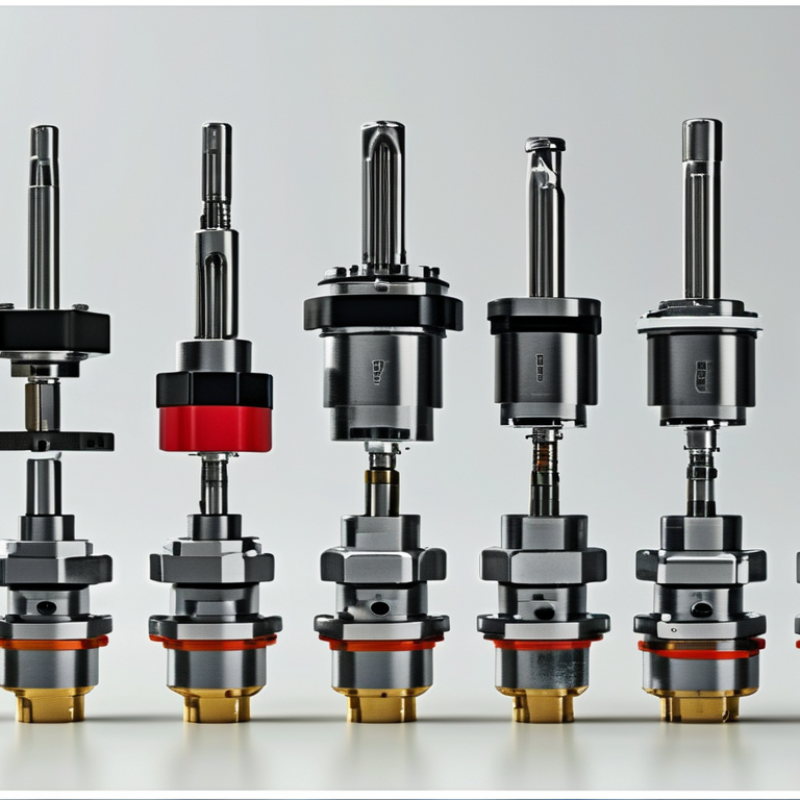
Types of Camlock Valves and Their Applications in Fluid Transfer
Camlock valves are crucial in fluid transfer systems. They offer a quick and secure connection for various applications. Common types include female and male camlock adapters. Each type serves specific needs and environments. According to the Fluid Control Institute, camlock fittings can increase efficiency by up to 50% in fluid handling operations, making them a popular choice.
The versatility of camlock valves is evident in their applications. They are widely used in agriculture, chemical processing, and water treatment. For example, in agriculture, camlock valves facilitate irrigation systems, allowing easy flow management of water. In chemical processing, they ensure safe transfers of different chemicals. However, not all camlock valves are suitable for every application. It's essential to assess the material compatibility with the fluid being transferred.
Tip: Always check compatibility before selecting a camlock valve. Not all materials withstand high-pressure or corrosive fluids. Regular inspection helps maintain their reliability.
In certain situations, camlock valves may not provide a perfect seal under pressure. Using appropriate seals and ensuring proper installation can help mitigate issues. Keeping an eye on wear and tear also ensures longevity in usage. Incorporating best practices can help optimize the operational efficiency of your fluid transfer systems.
Key Materials Used in Manufacturing Camlock Valves
Camlock valves are essential for fluid transfer in various industries. The manufacture of these valves involves specific materials that greatly impact their performance. Materials like aluminum, stainless steel, and brass are widely used. Each of these metals has unique properties that cater to different operational requirements.
Aluminum offers a lightweight solution, ideal for applications where weight is a concern. It resists corrosion but may not handle high-pressure situations well. Stainless steel is robust and durable, often chosen for environments with harsh chemicals. However, it can be heavy and more expensive. Brass provides good strength and resistance but can be prone to dezincification under certain conditions.
The choice of material is crucial. Manufacturers must consider the fluid type, temperature, and pressure. Mistakes in selecting the right material can lead to leaks and inefficiencies. Users should not solely focus on cost but also on compatibility with their specific needs. There's always room for improvement in material selection processes. Understanding these nuances can lead to better decisions in valve choices.
Top Camlock Valve Types for Efficient Fluid Transfer
Comparison of Different Camlock Valve Sizes and Specifications
When choosing camlock valves, size and specification are crucial. The most common sizes range from ¾ inch to 6 inches. Each size serves different flow rates and applications. For instance, small sizes are ideal for low-volume tasks. Conversely, larger valves handle more significant fluids efficiently.
Specifications, such as material, also play an essential role. Common materials include aluminum, brass, and stainless steel. Each material offers different resistance to corrosion and temperature extremes. This affects the valve's longevity and reliability. Users often need to reflect on the conditions in which the valves will be used.
Quality control is critical. Improper sizing can cause leaks or failures. Camlock valves must be chosen carefully to match the system requirements. Consulting industry standards and guidelines helps ensure effective performance. Such considerations enhance safety and efficiency during fluid transfer.
Top Camlock Valve Types for Efficient Fluid Transfer and Connection
| Camlock Valve Size |
Material |
Pressure Rating (PSI) |
Application |
Connection Type |
| 1/2 inch |
Aluminum |
150 |
Water |
Female to Female |
| 1 inch |
Stainless Steel |
300 |
Petroleum |
Male to Female |
| 2 inch |
Polypropylene |
75 |
Chemicals |
Female to Male |
| 3 inch |
Brass |
200 |
Air |
Female to Female |
| 4 inch |
Aluminum |
150 |
Wastewater |
Male to Male |
Installation and Maintenance Tips for Optimal Camlock Valve Performance
Camlock valves play a crucial role in fluid transfer systems across various industries. Their effectiveness relies heavily on proper installation and maintenance procedures. For optimal performance, ensure the valve is aligned correctly during installation. Misalignment can lead to leaks, which statistics show account for over 30% of fluid loss in industrial systems. Regular checks can prevent costly downtimes and improve overall efficiency.
Maintenance is equally vital. Inspect valve gaskets and seals periodically, replacing them when necessary. A recent report indicated that worn seals contribute to about 15% of operational failures in fluid transfer systems. Lubricating camlock fittings also enhances their lifespan. Using the right lubricant is essential; some products can damage materials if not properly selected.
Additionally, it’s important to train staff in the installation and maintenance of camlock valves. Misguided practices may lead to performance issues. Industry experts recommend conducting regular training sessions to highlight correct handling techniques. Continuous education helps reduce errors and fosters a culture of safety and efficiency in fluid transfer operations.
Factors Influencing the Selection of Camlock Valves for Specific Needs
Selecting the right camlock valve involves understanding various factors.
The application type is crucial. Different industries require specific valve designs and materials. For instance,
food and beverage sectors often need
sanitary fittings.
Chemical industries require corrosion-resistant materials. Understanding these needs ensures optimal performance.
Tips: Identify your fluid type. Know the temperature and pressure requirements.
This knowledge helps you avoid mismatches.
Size matters. Flange sizes must match pipe diameters for effective flow.
Overlook this, and you could face significant issues.
Look into connection methods as well. Some valves offer easier operation, enhancing safety and efficiency.
Tips: Consider the installation environment. Will it be exposed to extreme conditions?
This decision can influence valve longevity and reliability.
Finally, think about maintenance requirements. Some valves need frequent checks, while others are more durable.
Weigh the time and cost against your operational needs.
Learning from past selections can drive improvements.
Focus on what works for you today while keeping an eye on future needs.