Best Machined Valve Stem for Precision Performance?
The world of precision engineering greatly benefits from advancements in components like the machined valve stem. As an industry expert, Dr. Emily Carter emphasizes, “Precision in valve stem manufacturing directly impacts performance and efficiency.” This highlights the critical role of machined valve stems in optimizing mechanical systems.
Machined valve stems are essential for various applications, from automotive engines to industrial machinery. Their design and fabrication require meticulous attention to detail. Even slight deviations can lead to performance issues. For instance, improper machining can cause wear, noise, and even catastrophic failure. Ensuring precision is non-negotiable for reliability.
While many manufacturers strive for excellence, some may overlook vital factors. Consistency in material selection, tolerances, and machining techniques is crucial. Reflecting on past projects can uncover missed opportunities for improvement. Choosing the right machined valve stem becomes a balancing act between performance and affordability. A proactive approach can lead to better outcomes and increased customer satisfaction in the long run.
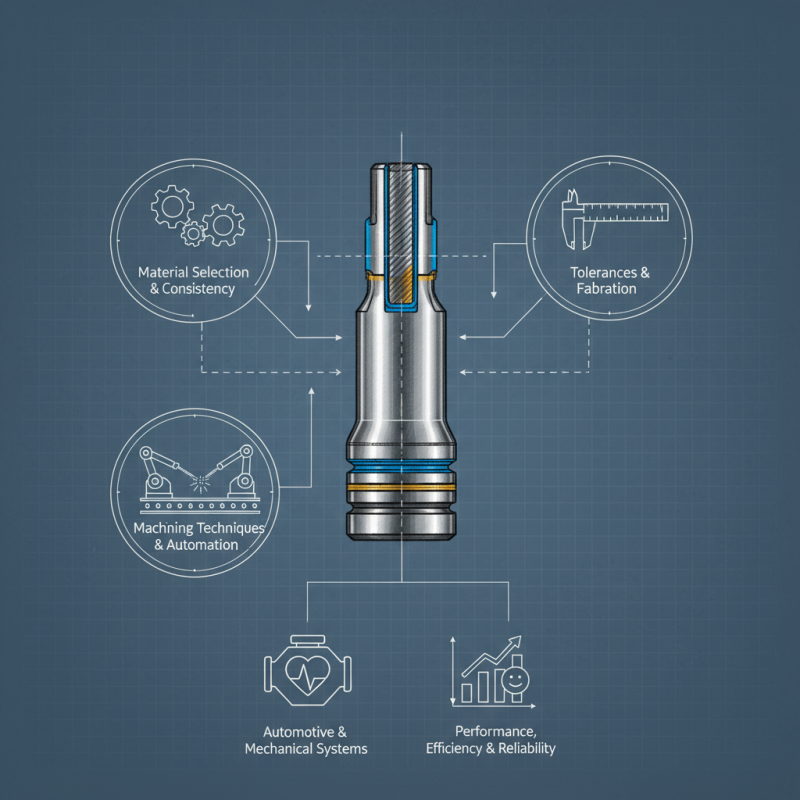
Choosing the Right Material for Machined Valve Stems
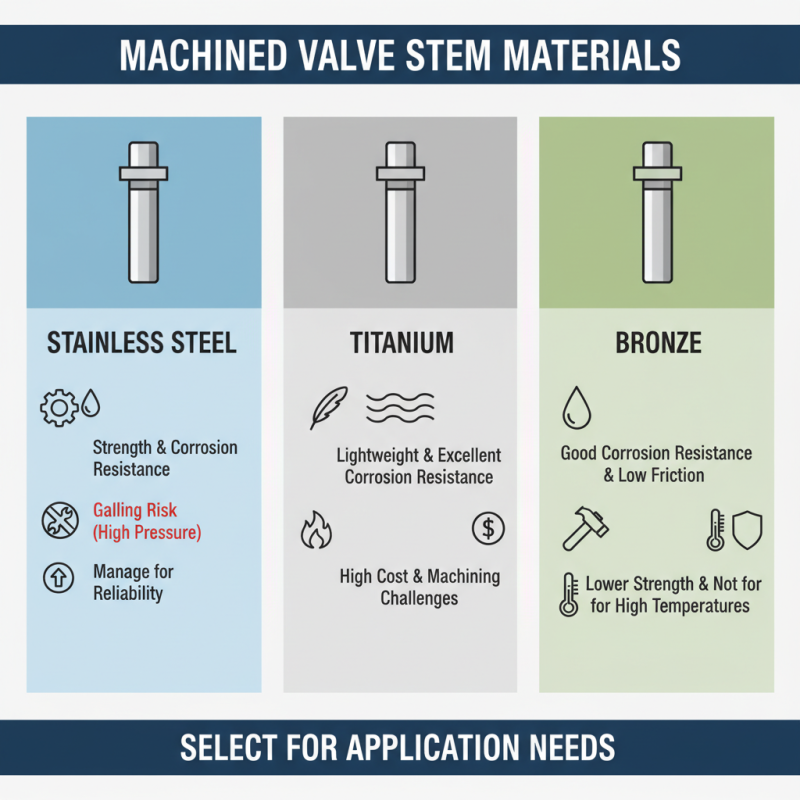
When selecting materials for machined valve stems, several options are available. Each material offers unique advantages and challenges. Stainless steel is popular for its strength and corrosion resistance. However, it can be prone to galling under high pressure. This needs to be managed correctly to ensure the valve performs reliably.
Aluminum is another option, known for its lightweight properties. It facilitates faster cycling and can enhance overall engine performance. Yet, aluminum may not withstand extreme temperatures as well as other materials. This could lead to premature wear in certain applications.
A common alternative, titanium, offers excellent strength-to-weight ratios. It resists deformation, making it a preferred choice for high-performance setups. Yet, titanium's cost and complex machining requirements can be limiting factors. Each material has its pros and cons, and the choice ultimately depends on the specific application and environment. Understanding these nuances ensures the selection aligns with performance goals.
Understanding the Importance of Precision in Valve Stem Manufacturing
Precision in valve stem manufacturing plays a crucial role in optimizing performance. A well-engineered valve stem enhances engine efficiency and longevity. According to a 2022 report from the Society of Automotive Engineers, precision valve stems contribute to a 5-10% improvement in fuel efficiency. This decrease in fuel consumption translates to significant savings over a vehicle's lifetime.
Manufacturers often face challenges in achieving the desired precision. Even minor variances can lead to performance issues. A study by the International Journal of Mechanical Engineering highlighted that 15% of valve stem failures are attributed to manufacturing defects. This underscores the need for stringent quality control processes.
The right materials and machining techniques are vital. Machining requires advanced technology to ensure that the dimensions meet strict tolerances. Inadequate machining can lead to imbalances. These issues not only affect performance but can also compromise safety. Precision isn't just a benefit; it's a necessity for high-performance applications.
Best Machined Valve Stem for Precision Performance
Key Features to Look for in High-Performance Valve Stems
When selecting high-performance valve stems, precision is key. Machined valve stems offer unparalleled accuracy and consistency. They typically undergo rigorous manufacturing processes, which include CNC machining, ensuring superior dimensional stability. According to industry reports, precision-engineered valves can improve engine performance by up to 20%. This is essential for applications that demand reliability and durability.
Look for features such as material quality. High-performance valve stems are often made from high-strength alloys, which can withstand extreme temperatures and pressures. These materials help prevent deformation over time. Additionally, weight is crucial. Lighter valve stems enhance engine response and efficiency. Data shows that reducing weight by even a few grams can lead to significant gains in performance metrics.
Ensure that the valve stems also provide excellent sealing capabilities. These components must maintain high sealing integrity to avoid leaks. The design and finish play critical roles in this. Poor finishing can lead to inconsistencies and premature wear. Regular failures in low-quality valve stems highlight the importance of choosing well-engineered alternatives. Ultimately, addressing these factors can dramatically influence engine performance outcomes.
Evaluation of Top Brands in Machined Valve Stem Quality
In the world of precision performance, choosing the right machined valve stem can significantly impact overall efficiency. Various brands claim superior quality, making it essential to assess their features. Factors like material, tolerance, and weight can determine the valve stem's effectiveness. High-quality materials, such as stainless steel, often provide better durability and resistance to wear.
When evaluating brands, consider the production methods used. Some manufacturers prioritize advanced machining techniques, ensuring precise dimensions and better fits. However, a robust design doesn’t always imply high cost. Look for cost-effective options that maintain quality.
Tip: Always verify a brand’s reputation through customer reviews. Once confident, consider testing various options to find what suits your specific requirements. Remember, even top brands can sometimes have inconsistencies. Engage in discussions with experts or fellow users to gain insights. This can highlight potential weaknesses and ensure you make a more informed decision.
Maintenance Tips for Enhancing Valve Stem Longevity and Performance
Maintaining valve stems is crucial for optimizing performance. Regular inspection is essential. Studies show that around 30% of valve failures stem from inadequate maintenance. Proper cleaning can significantly extend lifespan. Dirt and contaminants can lead to corrosion and blockages.
Lubrication is another vital aspect. A well-lubricated valve stem operates efficiently. According to industry reports, proper lubrication can reduce friction by up to 50%. Selecting the right lubricant enhances performance. Over-lubrication, however, can attract debris. It’s a call for caution.
Temperature fluctuations pose challenges too. Excessive heat can alter valve materials, leading to failure. Maintaining a stable environment is key. Regular adjustments might be necessary to accommodate temperature changes. Monitoring these factors invites improvement in valve stem longevity. Sometimes, reflection on maintenance practices reveals gaps in routines. Adjustments can yield significant results.