How to Choose the Right Valve Bonnet for Your Needs?
Choosing the right valve bonnet is crucial for optimal performance. A valve bonnet affects the entire valve assembly and its functionality. It serves as a protective cover for important internal components.
When selecting a valve bonnet, consider materials, design, and compatibility. Different environments demand specific materials to withstand pressures and temperatures. The right design ensures proper sealing and minimizes leaks. Compatibility with existing valve components is also essential.
Many users overlook the importance of proper valve bonnet selection. This can lead to inefficiencies and increased costs. Take time to research and consult experts. Your choice can significantly impact your system's reliability and performance.
Understanding the Function of Valve Bonnets in Fluid Systems
Valve bonnets play a crucial role in the operation of fluid systems. They provide a protective cover for the valve body and housing, ensuring durability and longevity. Bonnets are significant for both control and safety. They help maintain pressure and prevent leaks in high-stakes environments. A well-designed bonnet can make a difference in performance and reliability.
When selecting a valve bonnet, consider the intended application. Material choice is vital; it must withstand the specific fluid, temperature, and pressure conditions. Common materials include stainless steel and carbon steel. Each has its advantages and limitations. The bonnet's design must also align with the fluid dynamics and system requirements. Some designs are even more suited for corrosive or abrasive fluids.
Reflecting on past experiences can be beneficial in decision-making. Each system may require a different approach. Overlooking the bonnet's significance can lead to costly maintenance issues. It is essential to balance performance with safety measures. Understanding the nuances of valve bonnets is foundational for engineers and technicians. A thoughtful selection can enhance system efficacy and prevent serious operational failures.
Types of Valve Bonnets and Their Applications
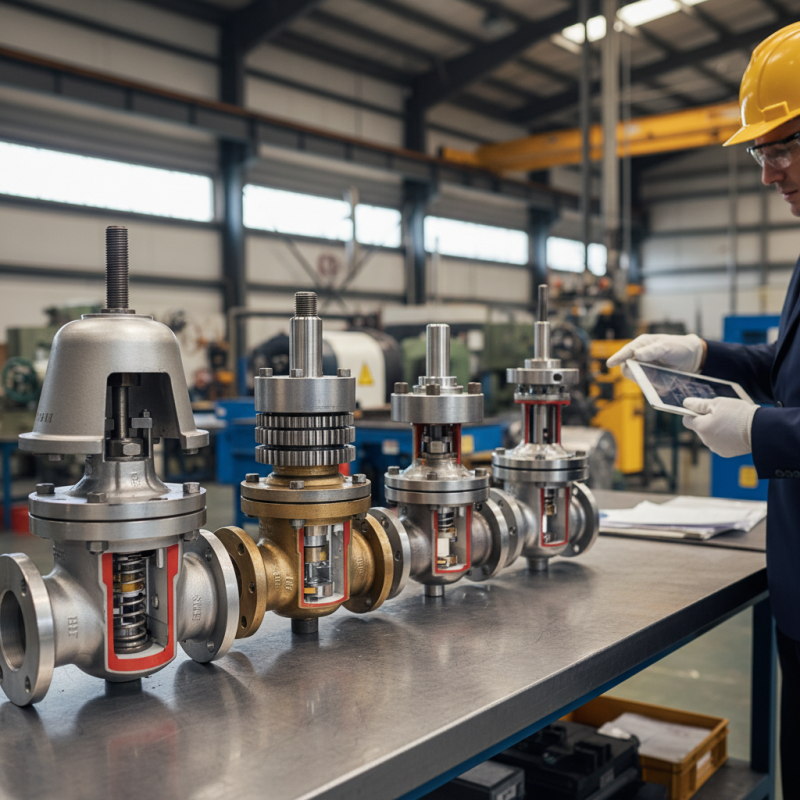
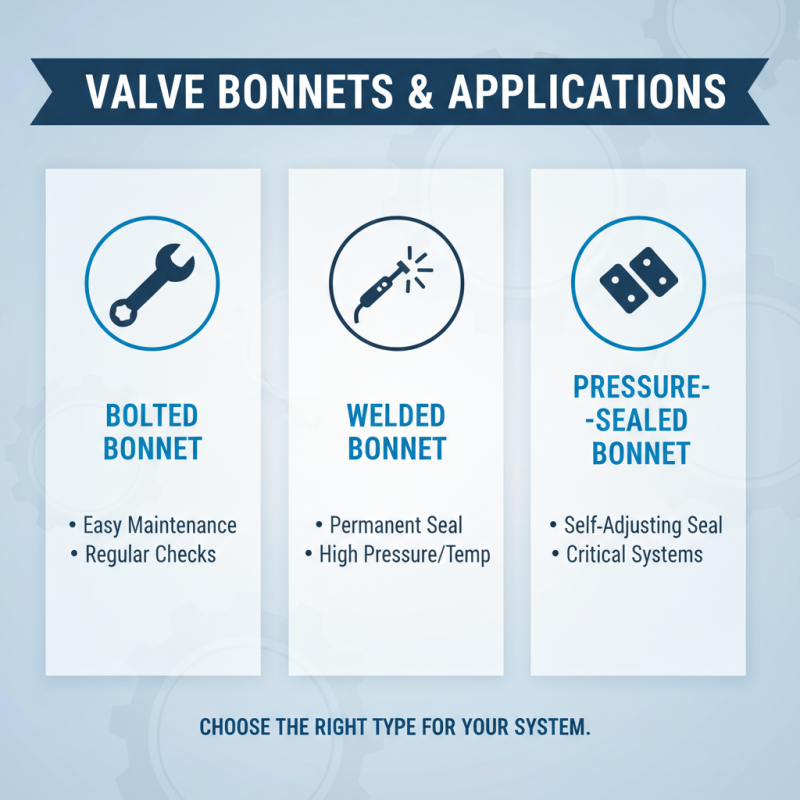
When selecting a valve bonnet, understanding the various types and their applications is essential. The most common types include bolted, welded, and pressure-sealed bonnets. Each serves a unique purpose in different systems. A bolted bonnet allows easy maintenance and disassembly. This is crucial for systems requiring regular checks. However, it might not provide the optimal seal in high-pressure situations.
Welded bonnets offer a stronger seal. They are ideal for extreme pressure and temperature conditions. Yet, once installed, these bonnets become more challenging to access. This presents a trade-off, emphasizing the need for careful pre-installation assessment. Pressure-sealed bonnets can handle high pressures. They do not require bolts, reducing leak risks. However, their complexity can lead to installation errors if not handled correctly.
Consider the fluid medium and operating conditions when choosing a bonnet. Each type has its advantages and shortcomings. This necessitates a thorough evaluation of your specific needs. Reflecting on the long-term implications of your choice can guide better decision-making. Balancing accessibility, sealing capability, and the system's demands is crucial.
Key Materials Used in Valve Bonnet Construction
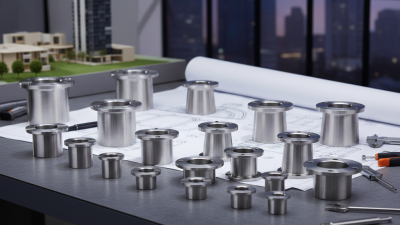
When selecting a valve bonnet, the material plays a crucial role. Common materials include
cast iron, carbon steel, and
stainless steel. According to the American Society of Mechanical Engineers (ASME),
stainless steel is preferred in corrosive environments due to its excellent resistance to rust and chemical degradation.
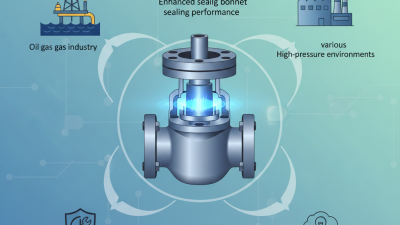
This makes it suitable for applications in the oil and gas industry.
For high-temperature applications, carbon steel is often chosen. It offers durability and strength in harsh conditions.
However, it can corrode if not properly maintained. A study from the Valve Manufacturers Association (VMA) indicated that improper material choice can lead to
system failures, highlighting the importance of selecting the right material.
Tip: Consider the operating environment of your valve. Are there extreme temperatures or corrosive substances?
Choosing the right material can enhance safety and prolong life.
Cast iron is another option, known for its cost-effectiveness and reliability in non-corrosive environments. However, cast iron lacks the versatility of steel options.
In some cases, using lower-grade material can lead to unexpected costs and issues down the line.
Tip: Always evaluate total lifecycle costs. It might be tempting to go with a cheaper option, but the long-term reliability is paramount for safety.
Factors to Consider When Selecting a Valve Bonnet
When selecting a valve bonnet, several key factors are essential for making an informed decision. The material of the bonnet is crucial. It must withstand temperature and pressure conditions suitable for your application. Common materials include carbon steel, stainless steel, and more specialized alloys. Each option has different corrosion resistance and mechanical properties. Assessing the environment of use will help determine the best choice.
Next, consider the design of the valve bonnet. A well-designed bonnet can enhance performance and reliability. Look for features such as ease of maintenance and inspection. Bonnet types vary, including bolted, welded, and pressure-seal designs. Each type influences how the valve responds under pressure. A proper understanding of operational conditions will guide this choice.
Don't forget to think about compatibility with existing systems. A mismatch can lead to operational inefficiencies or even failures. Review dimensions and pressure ratings carefully. It’s important to consult with an expert in valve technology to avoid potential pitfalls. Sometimes, the right choice may not align with initial preferences, revealing the need for adjustment. A thoughtful selection can lead to smoother operation and longer equipment lifespan.
How to Choose the Right Valve Bonnet for Your Needs? - Factors to Consider When Selecting a Valve Bonnet
| Factor |
Description |
Importance Level |
| Material |
The material of the bonnet affects the valve's durability and compatibility with the fluid it controls. |
High |
| Temperature Rating |
Ensures that the bonnet can withstand the operating temperature of the system. |
High |
| Pressure Rating |
The bonnet must be rated for the pressure of the system to prevent failure. |
High |
| Size Compatibility |
Compatibility with the valve size is crucial for proper installation and operation. |
Medium |
| Design Type |
Different designs (e.g., bolted, welded) can impact maintenance and serviceability. |
Medium |
| Seal Type |
The type of seal influences leakage prevention and reliability of the valve. |
High |
| Cost |
Budget constraints can impact the choice of bonnet material and features. |
Medium |
Maintenance Tips for Ensuring Valve Bonnet Longevity
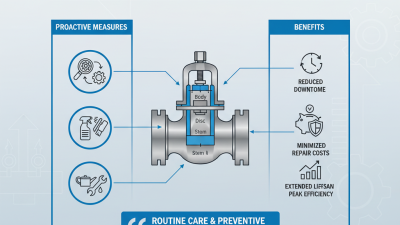
Maintaining valve bonnets is crucial for ensuring their longevity. Regular inspections should be part of your routine. Check for signs of corrosion or wear. These issues can lead to significant problems if not addressed early. You might notice leaks or irregular operation during these checks. It’s essential to react promptly to any findings.
Cleaning the valve bonnets is equally important. Use a suitable solvent to remove debris that can affect performance. Avoid abrasive materials that might damage the surface. Lubricate moving parts regularly to ensure they function smoothly. Pay attention to the manufacturer's guidelines for the type of lubricant suitable for your valve bonnet.
While these practices can enhance the lifespan of your valve bonnets, it’s important to acknowledge that every valve has its limitations. Continuous monitoring is necessary to preempt failure. Sometimes, despite your best efforts, issues may still arise. Keep a record of maintenance activities to identify trends over time. This reflection can lead to better decision-making in the future.
Valve Bonnet Durability and Maintenance Frequency