How to Choose the Best Gate Valve Seal for Your Needs?
Choosing the right Gate Valve Seal is crucial for ensuring optimal performance in various industrial applications. According to a report by the Global Market Insights, the gate valve market is expected to exceed $15 billion by 2025, showcasing the growing demand for quality components. The choice of seal can significantly impact efficiency, leak prevention, and overall system reliability.
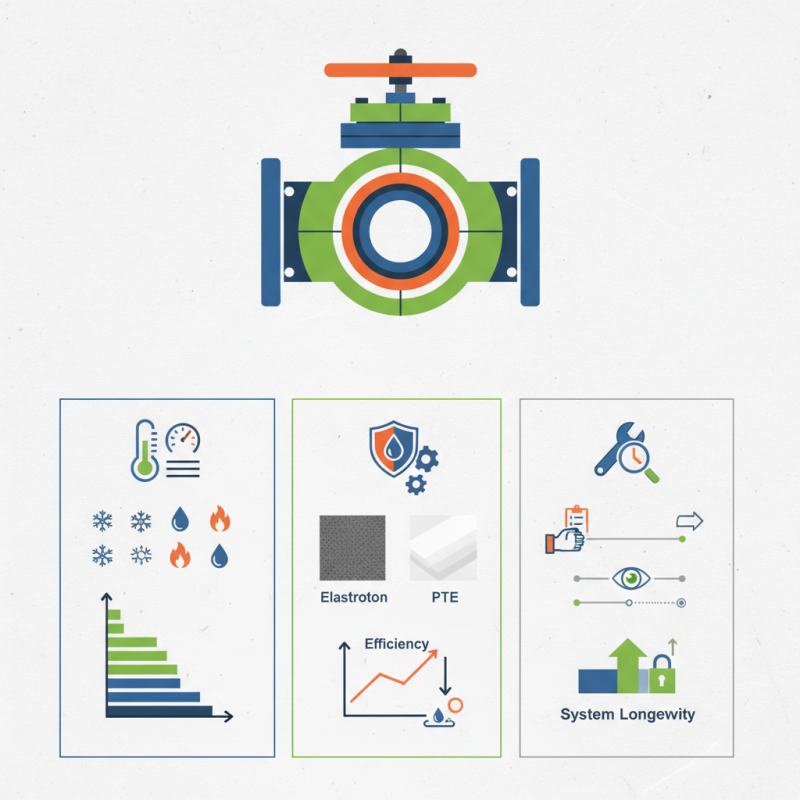
Industrial processes increasingly rely on advanced sealing technologies. Seal materials must withstand extreme temperatures and pressures. For instance, PTFE and elastomer seals are commonly used for their durability and resistance. However, selecting the wrong material can lead to costly downtimes. It's vital to understand the specific requirements of your system.
Many users overlook the importance of proper installation and maintenance when choosing a Gate Valve Seal. Regular inspections can prevent unexpected challenges. A lack of attention to detail can compromise performance. Make informed decisions based on your unique operational needs. Your seal choice can enhance system longevity and reliability.
Understanding Gate Valves and Their Sealing Mechanisms
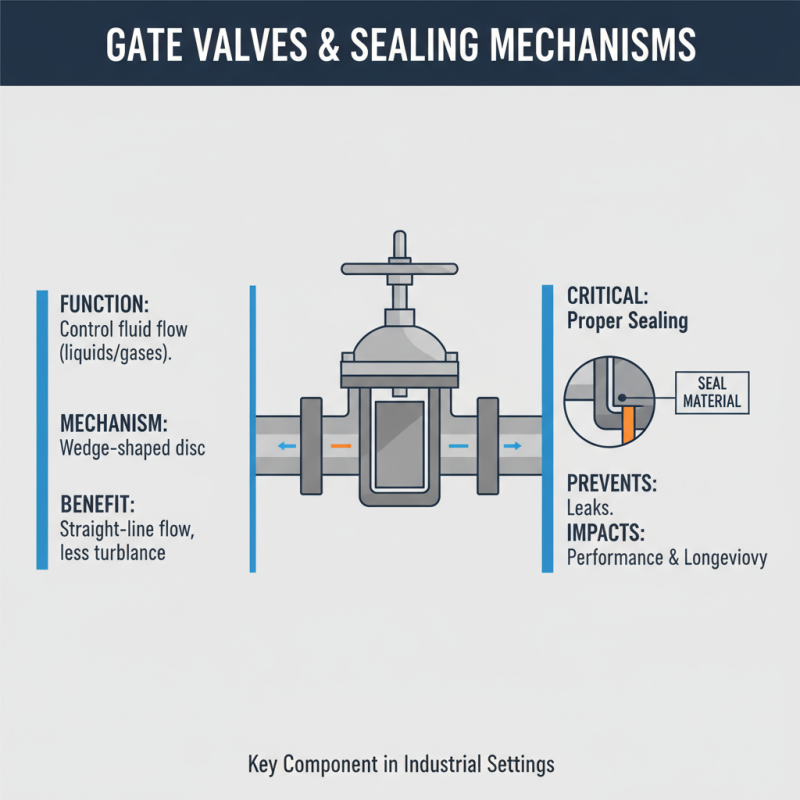
Gate valves are essential components widely used in industrial settings. They control the flow of liquids and gases by using a wedge-shaped disc. This mechanism allows for a straight-line flow, reducing turbulence. Proper sealing is critical to prevent leaks. The choice of seal material significantly impacts the valve's performance and longevity.
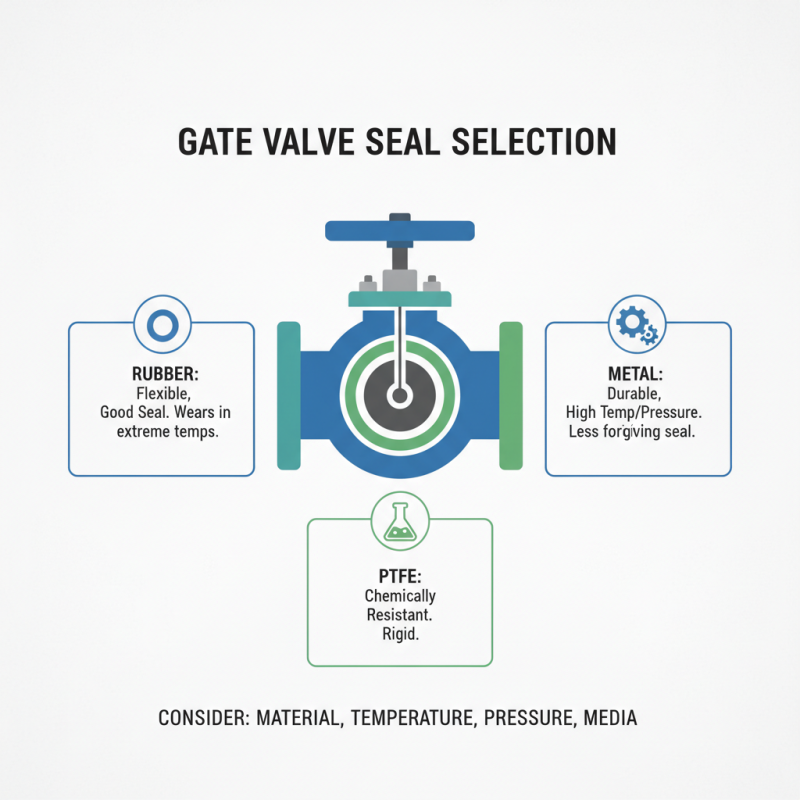
Understanding sealing mechanisms is vital. Common seal materials include rubber, PTFE, and metal. According to industry reports, PTFE seals can withstand high temperatures and corrosive environments. Rubber seals, while providing excellent flexibility, may degrade faster in harsh conditions. It is essential to analyze the working environment to select the appropriate material.
Moreover, installation plays a crucial role in sealing effectiveness. Improper installation can lead to premature failure. The American Society of Mechanical Engineers (ASME) indicates that up to 30% of valve failures stem from installation errors. Regular inspection and maintenance can mitigate this risk. Therefore, considering both material and installation is necessary for optimal performance.
Types of Gate Valve Seals and Their Applications
When selecting a seal for gate valves, understanding seal types is crucial. Common seal types include
resilient,
metal, and
PTFE seals, each serving distinct applications. Resilient seals, often made from rubber compounds, provide excellent flexibility.
They are ideal for water and wastewater systems. Reports indicate that these seals mitigate leaks by up to 90% in specific environments.
Metal seals are known for their durability. They withstand extreme temperatures and pressures. These seals are perfect for oil and gas applications where conditions fluctuate dramatically. On the other hand, PTFE seals offer chemical resistance and are suitable for corrosive materials. Applications in chemical processing frequently rely on PTFE due to its stability.
Tips:
- Choose seals based on operating conditions.
- Assess temperature and pressure requirements.
- Regularly check seals to prevent failure.
- Rather than going for the cheapest option, prioritize quality for safety.
Each application demands attentiveness and proper selection. Always evaluate your system’s specific needs to ensure optimal performance.
Factors to Consider When Choosing a Gate Valve Seal
Choosing the right gate valve seal is crucial for effective operation. One key factor is the material. Common materials include rubber, PTFE, and metal. Each has unique properties. Rubber seals offer flexibility and good sealing capability. However, they may wear out in extreme temperatures. PTFE, on the other hand, provides excellent chemical resistance but can be rigid.
Another important consideration is the pressure rating. The seal must withstand the maximum pressure in your system. High-pressure applications require stronger materials. Inadequate sealing could lead to leaks. Users should also evaluate the temperature range. Seals that work perfectly at room temperature might fail in hot or cold environments.
Installation and maintenance are essential aspects too. Incorrect installation can compromise seal performance. Regular inspections can prevent unexpected failures. Users often overlook this step, leading to costly repairs. It’s crucial to remain vigilant about the overall health of your gate valve seal. Choosing the right seal involves assessing multiple factors and being aware of potential pitfalls.
Material Selection for Gate Valve Seals and Its Importance
Choosing the right material for gate valve seals is crucial. The performance of these seals can significantly impact the overall efficiency of a valve assembly. Common materials include rubber, PTFE, and graphite. Each material has unique properties that make it suitable for specific applications.
For instance, rubber seals offer good elasticity. They work well in low-pressure scenarios. However, they may degrade over time when exposed to certain chemicals. PTFE seals, on the other hand, are chemical-resistant and offer high thermal stability. They are ideal for harsh environments. Graphite seals provide excellent sealing capability at high temperatures but might require more maintenance.
Understanding the environment where the valve operates is essential. Factors like pressure, temperature, and chemical exposure affect material choice. A mismatch can lead to failures. It's vital to consult with experts to ensure the right selection. Reflecting on past experiences helps in making informed decisions. Ensure that the chosen seal aligns with operational needs for the best performance.
How to Choose the Best Gate Valve Seal for Your Needs?
| Material |
Temperature Resistance (°C) |
Pressure Rating (bar) |
Chemical Compatibility |
Advantages |
Disadvantages |
| NBR (Nitrile Butadiene Rubber) |
-30 to 100 |
20 |
Oil, Fuel, Water |
Good abrasion resistance |
Not suitable for high temperatures |
| EPDM (Ethylene Propylene Diene Monomer) |
-50 to 130 |
16 |
Water, Steam, Alkalis |
Excellent aging resistance |
Not suitable for petroleum products |
| PTFE (Polytetrafluoroethylene) |
-200 to 260 |
40 |
Almost all chemicals |
Outstanding chemical resistance |
Higher cost |
| FKM (Fluoroelastomer) |
-20 to 200 |
25 |
Fuel, Oil, Chemicals |
Good high temperature resistance |
Can be expensive |
| Silicone |
-60 to 200 |
10 |
Ozone, Weather, High-Temperature Applications |
Excellent flexibility and durability |
Not suitable for high-pressure applications |
Maintenance Tips for Gate Valve Seals to Ensure Longevity
Maintaining gate valve seals is crucial for their longevity and functionality. Regular inspection is key. Look for wear or damage to the seal. Over time, seals can become brittle or cracked, leading to leaks. Consider the environment where the valve operates. Extremes in temperature or pressure can accelerate wear.
Lubrication plays a vital role in maintenance. Use appropriate, non-corrosive lubricants to prevent sticking and ensure smooth operation. However, too much lubricant can attract dirt. It’s a delicate balance. Regular flushing of the valve can help remove debris.
Installation matters. A poorly installed seal can lead to immediate failure. Take the time to ensure a proper fit. If a seal fails, it's essential to identify why. Was it the material? Was it the installation? Reflecting on these questions helps in making better choices in the future.