Top Tips for Choosing the Right Stainless Valve Stem?
Choosing the right Stainless Valve Stem is crucial for optimal performance and durability. According to industry reports, nearly 30% of valve failures stem from improper selection of components. This highlights the importance of understanding materials, environmental compatibility, and application requirements.
Stainless steel valves are preferred in many industries due to their corrosion resistance and strength. However, selecting the right valve stem can be challenging. Factors such as temperature, pressure, and chemical exposure play significant roles. For example, a recent study showed that misuse of valve stems led to higher maintenance costs, sometimes exceeding 20% of operational budgets.
In conclusion, the decision-making process requires careful consideration and sometimes, reevaluation. Understanding the specific requirements for your application will reduce the risk of failure. Ultimately, making an informed choice about a Stainless Valve Stem can enhance efficiency and reliability in operations.
Understanding the Different Types of Stainless Valve Stems
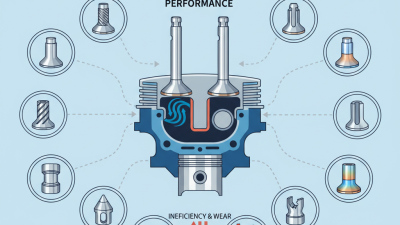
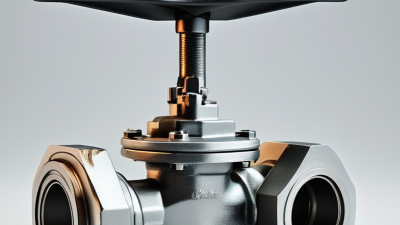
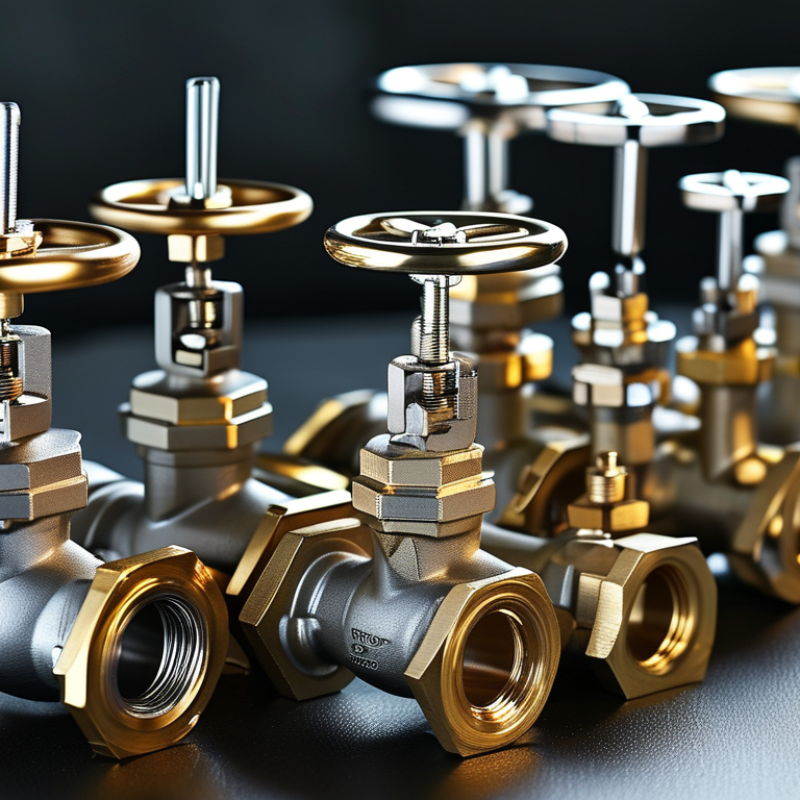
When selecting the right stainless valve stem, it's crucial to understand the different types. Stainless valve stems come in various designs, each suited for specific applications. Ball valve stems are popular for their versatility. They provide excellent sealing and quick operation. Gate valve stems are great for on/off operations where minimal flow obstruction is desired.
Moreover, materials play a key role. Common grades of stainless steel include 304 and 316. Grade 316 offers better corrosion resistance, especially in harsh environments. This choice can impact the longevity of the valve stem. It's also essential to consider the size and compatibility with existing systems.
Installation and maintenance are often overlooked. Incorrect installation can lead to leaks or malfunctions. Regular inspections can help spot potential issues early. Each stem type may have unique maintenance requirements. Balancing cost, durability, and performance requires careful thought. Every choice should reflect the specific needs of your application.
Top Tips for Choosing the Right Stainless Valve Stem
This bar chart illustrates the key factors to consider when choosing a stainless valve stem, based on their importance rating (on a scale of 1 to 10):
Factors to Consider When Selecting a Stainless Valve Stem
When selecting a stainless valve stem, several key factors should be considered.
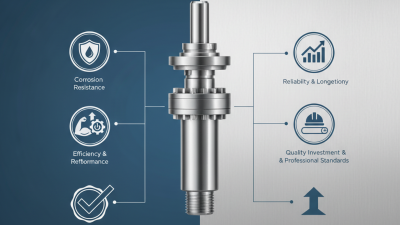
Material composition is crucial. Stainless steel grades like 316 provide excellent corrosion resistance in harsh environments. Reports indicate that components made from higher-grade stainless can last up to 30% longer than those made from lower grades. This directly impacts maintenance costs and downtime.
Another consideration is the stem design. A well-engineered valve stem ensures proper sealing and prevents leakage. Understanding the specific application requirements can greatly influence performance. For instance, a study by the American Society of Mechanical Engineers highlights that improperly designed stems lead to a 15% reduction in efficiency in hydraulic systems.
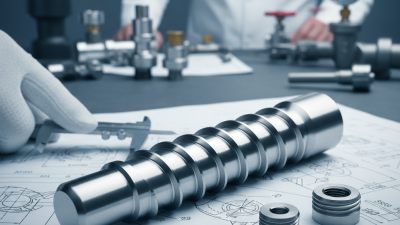
Finally, the manufacturing process cannot be overlooked. Quality control practices during production play a vital role in ensuring reliability. Data shows that attention to detail during the machining process can decrease failure rates by 20%. Choosing a valve stem requires a holistic view of these factors for optimal results.
Evaluating Material Compatibility for Valve Stem Applications
Choosing the right stainless valve stem requires careful consideration of material compatibility. Different applications demand specific materials that can withstand varying conditions. For instance, the choice between 304 and 316 stainless steel can significantly impact performance. 316 offers better corrosion resistance in harsh environments, while 304 is often sufficient for less aggressive conditions.
When evaluating compatibility, think about the fluids or gases involved. Is there a risk of chemical reaction? Ensure the selected material is suited for the application. This may require research or consultation with experts. With so many materials available, it can be overwhelming.
Testing materials under actual service conditions is essential. Sometimes, what looks good on paper does not perform well in reality. Examples of failures can serve as valuable lessons. Don't overlook these details in your selection process. Your choices matter, and they should be informed by real-world evidence and a deep understanding of the environment in which the valve stems will operate.
Assessing Performance Metrics for Stainless Valve Stems
When selecting stainless valve stems, performance metrics play a crucial role. These metrics provide insight into durability and functionality. Consider the operating environment. High temperatures and corrosive substances can impact the valve stem's longevity. Evaluating these conditions can guide effective choices.
Material composition is essential for assessing performance. Stainless steel grades vary in resistance to wear and corrosion. For instance, certain grades perform better in acidic environments. Understanding these differences can prevent costly replacements. Regular mechanical testing also helps in determining a stem's strength under pressure.
Moreover, remember that performance data isn’t always perfect. Manufacturers may present results that are idealized. Look for third-party certifications for greater transparency. You may find discrepancies in real-world applications. Therefore, seeking expert advice or peer reviews can provide valuable perspectives. Always take time to reflect on the specific needs of your application. This thoughtful approach will aid in making informed decisions.
Maintenance Tips for Prolonging the Life of Valve Stems
Maintaining stainless valve stems is crucial for optimal performance. Regular maintenance extends their lifespan significantly. Inspect the valve stems for any signs of wear or corrosion. Simple checks can prevent larger issues down the line.
Keep the valve area clean. Dirt and debris can cause malfunctions. Use a soft cloth to wipe around the stem. This will help maintain a smooth operation. If the stem becomes stuck, avoid using excessive force. Instead, gently clean and lubricate it.
Lubrication is key to preserving valve stems. A small amount of high-quality lubricant can make a difference. Apply it sparingly to prevent attracting dust. Remember, proper storage is also essential. Store the stems in a dry, cool place. Protect them from moisture and extreme temperatures. Adapt your maintenance habits to your specific environment.