Why Choose Stainless Valve Stem for Your Next Project?
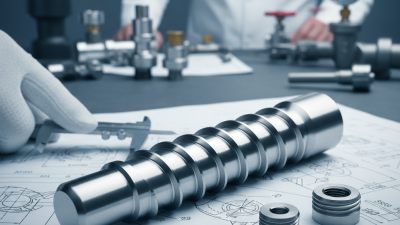
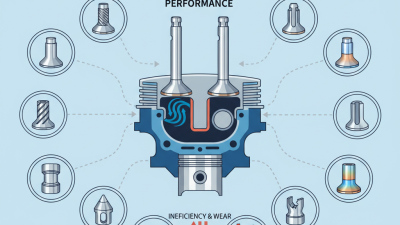
In today’s competitive manufacturing landscape, the choice of materials can significantly affect project outcomes. Experts emphasize the importance of quality components. John Thompson, a renowned materials engineer, notes, “Stainless Valve Stem is crucial for durability and efficiency in high-performance applications.” The industry has recognized the advantages of stainless steel, particularly for valve stems. This material resists corrosion and offers robustness.
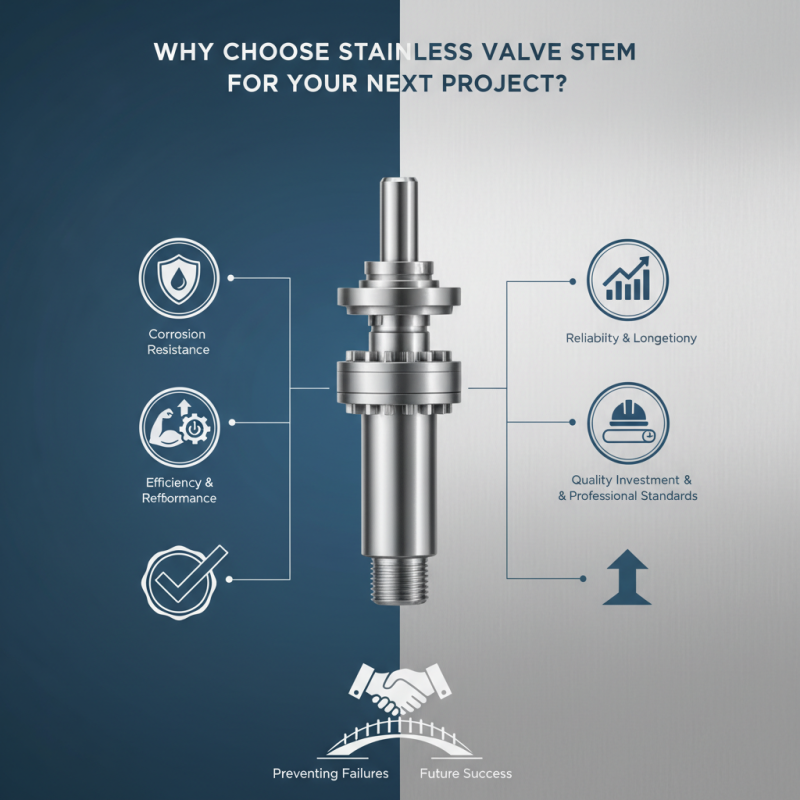
Stainless Valve Stem is not just a product; it represents reliability and longevity. Many projects have failed due to poor material choices. Using a stainless valve stem can prevent these failures, ensuring a more durable solution. This choice also enhances the overall efficiency of various systems, from automotive to aerospace.
However, some manufacturers still overlook the importance of this component. They may opt for cheaper alternatives, jeopardizing project integrity. Investing in a Stainless Valve Stem is an investment in quality, reflecting a commitment to professional standards. As we explore the reasons to choose stainless valve stems, understanding their impact becomes paramount for future successes.
Benefits of Stainless Steel Valve Stems in Various Applications
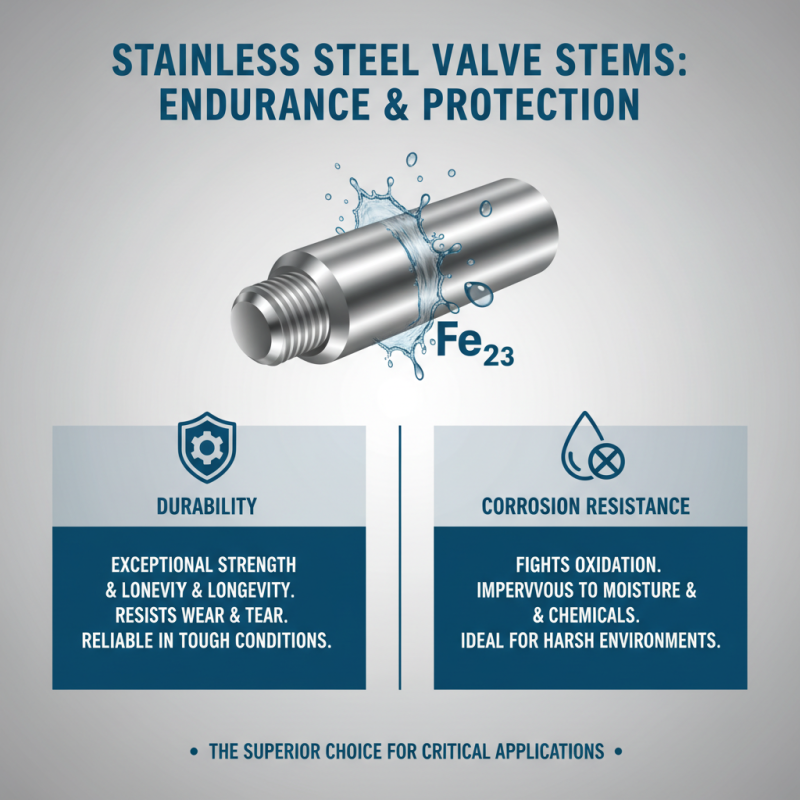
Stainless steel valve stems offer numerous benefits across various applications. Their corrosion resistance makes them ideal for environments exposed to moisture and chemicals. In industries like oil and gas, food processing, and pharmaceuticals, stainless steel ensures long-lasting performance and reliability. This durability reduces the frequency of replacements, saving costs in the long run.
Another advantage is their strength and structural integrity. Stainless steel can withstand high pressure and temperature fluctuations. This feature is critical in systems requiring stringent safety and performance measures. However, not all stainless steel is the same. The specific alloy used can significantly affect performance. Engineers need to choose the right grade based on the application to avoid potential failures.
Moreover, stainless steel valve stems are easier to maintain. Their smooth surfaces resist buildup, which is essential in ensuring optimal operation. However, some users may overlook the importance of regular maintenance checks. This oversight can lead to reduced efficiency. Understanding the pros and cons thoroughly is crucial for making informed decisions when selecting valve materials.
Comparison of Stainless Steel with Other Valve Stem Materials
When comparing stainless steel valve stems to other materials, durability is a crucial factor. Stainless steel, known for its resistance to corrosion, often outperforms brass or plastic alternatives. According to industry reports, stainless steel can sustain temperatures up to 800°F. In many high-stress environments, this feature prevents failures that might occur with weaker materials.
Maintenance is another area where stainless valve stems excel. They require less frequent replacement, leading to lower long-term costs. For example, a study from the Valve Manufacturers Association highlighted that systems utilizing stainless steel components reported a 30% reduction in maintenance costs. This statistic reflects the material's resilience and reliability in various applications, including oil, gas, and water distribution.
However, stainless steel is not without drawbacks. It can be more expensive upfront compared to brass. Additionally, its weight may be an issue in specific projects where lightweight materials are preferred. There’s an ongoing debate among engineers about the cost-benefit ratio. Opting for stainless requires careful consideration of the project’s specific demands and potential trade-offs.
Durability and Corrosion Resistance of Stainless Steel Valve Stems
Stainless steel valve stems are an excellent choice for many projects due to their remarkable durability. Corrosion resistance is one of their standout features. In harsh environments, standard materials often fail, leading to system failures. Stainless steel, however, resists oxidation and damage from moisture, making it suitable for various applications.
In chemical processing and marine environments, the need for reliable components is critical. Stainless stems maintain their integrity under pressure, ensuring long-term performance. This reliability helps reduce downtime and maintenance costs. While stainless steel can be more expensive initially, its longevity often outweighs the upfront costs.
Despite these advantages, some projects may overlook stainless steel due to its weight. This factor can affect handling and installation. It’s essential to weigh these aspects against benefits. Choosing the right material requires careful consideration of all project requirements.
Cost-effectiveness of Using Stainless Steel in Long-term Projects
Stainless steel valves offer
long-term cost-effectiveness in various projects. Their durability reduces the need for replacements.
A project with stainless valve stems can lower
maintenance costs significantly. This often leads to savings
over the life of the project.
Using stainless steel minimizes issues like corrosion.
In environments where moisture is prevalent, traditional metals can degrade quickly. Stainless steel
withstands such conditions, ensuring consistent performance. However, it’s essential to monitor their
installation closely. Improper fitting can lead to
future complications, reminding us that attention to detail matters.
With stainless steel, the upfront costs can seem high. In the long run, these valves prove economical.
Their longevity means fewer repairs and replacements. For many projects, this makes stainless steel a
wise choice. Reflecting on these
factors reveals the complexity of materials selection. Proper evaluation ensures that decisions align
with both budget and performance goals.
Installation and Maintenance Considerations for Stainless Steel Valve Stems
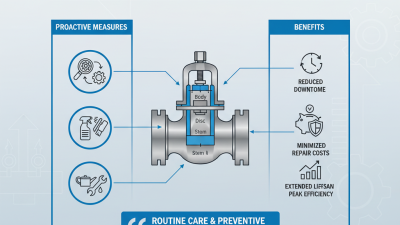
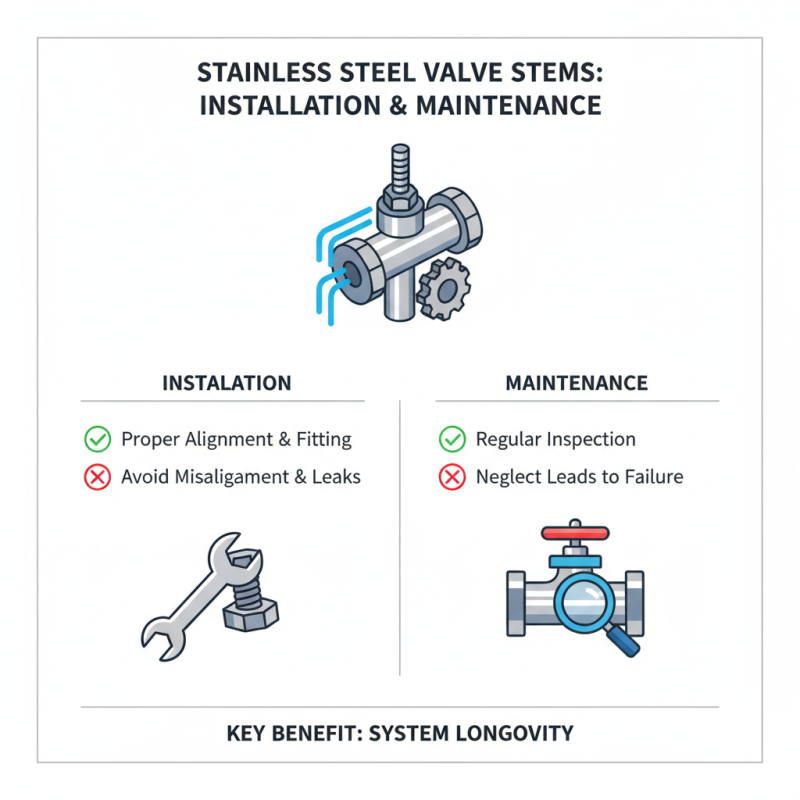
When considering stainless steel valve stems, installation and maintenance are critical factors. Proper installation ensures optimal performance. Misalignment or improper fitting can lead to leaks. Take care during assembly to avoid these issues. A well-installed valve stem contributes to the longevity of the system.
Maintenance requires regular checks to ensure functionality. Stainless steel can resist corrosion, but it’s not invulnerable. Inspecting for wear and tear should be routine. Small signs of degradation can signal larger problems. Clean the valve stems periodically to remove buildup. This can prevent operational failures down the line.
Despite the benefits of stainless steel, challenges exist. Some technicians may overlook the specifics of installation. This negligence can cause overtightening, leading to damage. The balance between securing the valve and avoiding stress is crucial. Regular training can help mitigate such risks, ensuring reliable operations in the future.