What is a Valve Stem and How Does It Work?
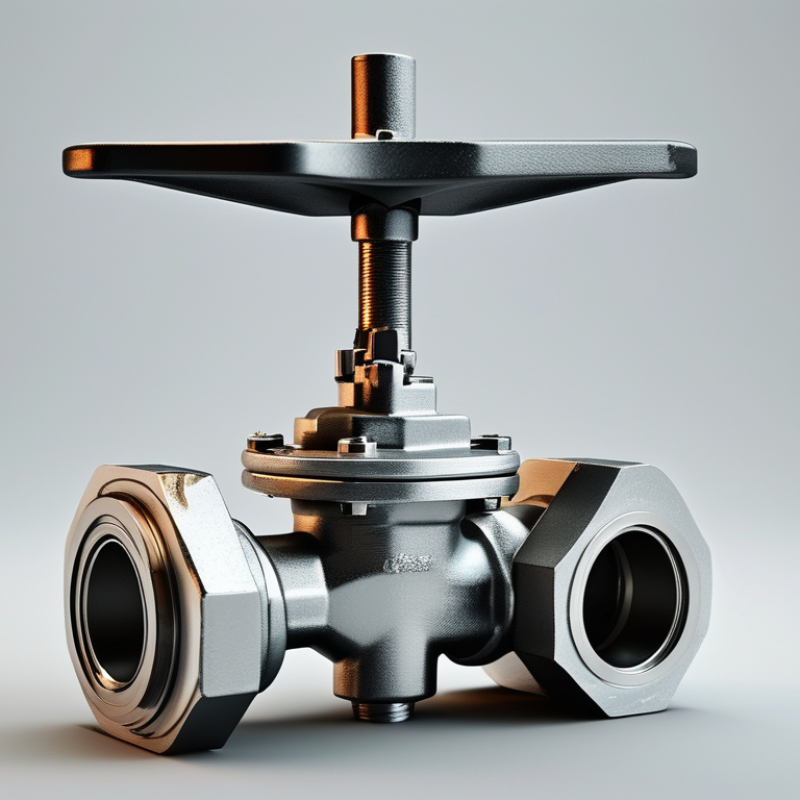
A valve stem plays a crucial role in the functioning of various valves. It is a long, cylindrical component that controls the flow of substances. Without it, many systems would fail to operate effectively. Understanding the valve stem's construction can enhance your knowledge about valve mechanics.
The valve stem connects the handle or actuator to the valve body. It transmits force to open or close the valve. This communication is essential in systems like water, gas, and air flow. A malfunctioning valve stem can lead to leaks or blockages. Such issues can cause significant problems in both residential and industrial settings.
Identifying the parts and functions of a valve stem can help you appreciate its importance. Regular inspections can prevent unwanted breakdowns. However, it is easy to overlook this small yet vital component. Reflecting on its significance may lead to better maintenance practices in your systems.
What is a Valve Stem? Definition and Function in Pneumatics
A valve stem is a crucial component in pneumatic systems. It controls the flow of air or gas, ensuring efficient operation. Typically made of durable materials, the valve stem must withstand high pressure and varying temperatures. According to the International Society for Automation, about 70% of pneumatic system failures are linked to faulty valve components, highlighting the significance of a reliable valve stem.
The primary function of a valve stem is to open or close a valve. This process controls airflow and pressure within a system. In fact, a well-functioning valve stem can enhance system efficiency by up to 30%. However, not all valve stems are created equal. Some may wear out or get damaged due to improper usage or environmental factors. Regular maintenance is often overlooked, leading to potential system inefficiencies.
Understanding the valve stem's role is essential for professionals in the field. Knowledge sharing among technicians can lead to better practices and improved system reliability. A recent study showed that trained users who regularly checked valve components had a 20% lower failure rate compared to untrained users. Investing in education and maintenance can help mitigate risks associated with valve stem failures.
Valve Stem Inner Diameter vs. Outer Diameter
The chart above illustrates the inner and outer diameters of a typical valve stem, showcasing the importance of size measurements in pneumatic applications.
Types of Valve Stems: A Comprehensive Overview of Designs and Materials
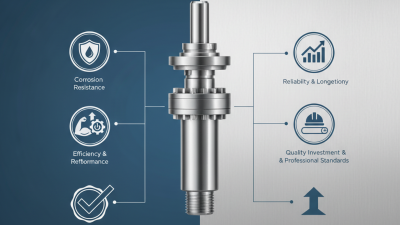
When exploring valve stems, it's essential to understand the various designs and materials used. These components play a crucial role in controlling airflow. Valve stems can be made from metals like brass and stainless steel. Each material offers unique advantages. Brass is corrosion-resistant and cost-effective. Stainless steel, on the other hand, is durable and ideal for high-pressure applications.
Design variations also impact performance. Some valve stems feature a straight design, suitable for basic applications. Others have a bent shape to save space and improve accessibility. Understanding these differences helps in determining the right valve stem for specific needs. In certain cases, the design may not fit the intended application. This could result in leaks or inefficiencies, a common oversight in system design.
Moreover, valve stems may include seals or packing materials that influence their functionality. Rubber or PTFE (Teflon) is often used for sealing. These materials enhance reliability but may degrade over time. Regular inspection is crucial to maintain their effectiveness. Addressing these aspects enables better performance and safety in operations.
How Valve Stems Operate: Mechanisms Behind Air and Fluid Control
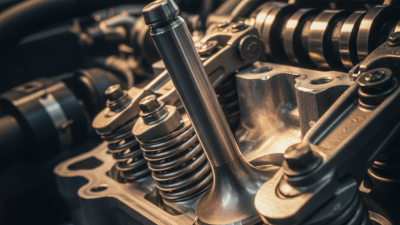
Valve stems play a crucial role in managing fluid and air flow within various systems. They typically consist of a slender, tubular design that integrates with a valve body. When activated, the valve stem moves downward or upward. This motion opens or closes the flow path. According to a report by the International Valve Manufacturers Association, over 70% of valve failures are linked to improper stem operation. This highlights the need for precise manufacturing and maintenance.
The operating mechanism of a valve stem often employs a rotating or sliding action to regulate flow. Many industrial applications utilize electric, pneumatic, or hydraulic actuators for enhanced control. A study published in the Journal of Fluid Control Engineering showed that implementing advanced control systems can improve flow accuracy by up to 40%. Yet, the complexity of these systems can result in malfunctions. Regular inspections are vital but often neglected.
Understanding the mechanics behind valve stems is essential for engineers and technicians. Small errors in measurement during installation can lead to significant issues. Despite innovations in valve technology, the industry still faces challenges in ensuring reliability. User training programs frequently emphasize maintenance practices. However, many operators still overlook these essential steps. Addressing these gaps is crucial for achieving optimal performance over time.
Applications of Valve Stems: Industries Relying on Efficient Valve Systems
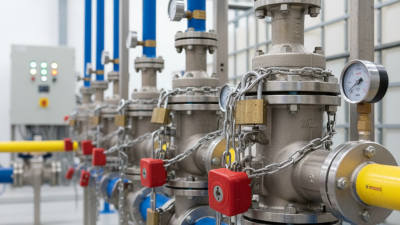
Valve stems play a crucial role in many industries, ensuring efficient operation of valve systems. They are essential in sectors such as manufacturing, oil and gas, and water treatment. According to a recent industry report by Market Research Future, the global valve market is expected to grow by 6.2% over the next few years. This highlights the increasing reliance on effective valve technologies across various applications.
In the water treatment sector, for instance, valve stems regulate the flow of water, aiding in efficient treatment processes. A well-functioning valve system can reduce waste by up to 30%, an essential aspect for sustainability. Similarly, in the oil and gas industry, precise flow control is vital. The need for reliable valve stems in this sector cannot be overstated, as they can improve operational safety and reduce downtime.
Tip: Regular maintenance of valve stems is essential. Inspect them often to ensure optimal functionality. A small leak can lead to significant losses. Additionally, consider the environmental impact of your systems. Poorly functioning valves can lead to waste and increased operational costs. Use data analytics to monitor system performance and identify areas for improvement. These proactive measures can enhance efficiency and save resources in the long run.
Maintenance and Replacement: Ensuring Long-term Functionality of Valve Stems
Valve stems are critical components in various applications, including tires and plumbing systems. Regular maintenance of valve stems is essential for ensuring their long-term functionality. A significant percentage of valve stem failures occur due to wear and tear, often leading to leakage and reduced efficiency. According to a study by the Tire Industry Association, 25% of tire-related issues stem from faulty valve stems, which can lead to unsafe driving conditions.
To maintain valve stems, it's crucial to inspect them regularly. Look for signs of damage, such as cracks or corrosion. Silicone grease can be applied to enhance sealing capabilities. In an industrial setting, a report by the National Fluid Power Association indicates that poor maintenance can lead to an increase in equipment downtime by 30%. This shows the financial implications of neglecting valve stem upkeep.
Replacement should be considered when maintenance is no longer effective. Technicians often fail to realize that not all valve stems fit every application. Using mismatched components can lead to further complications. Understanding specific requirements is key. Routine checks and knowledge of correct fitting can mitigate risks. Reflecting on past experiences reveals the importance of proper maintenance protocols and educated replacements for valve stem longevity.
What is a Valve Stem and How Does It Work? - Maintenance and Replacement: Ensuring Long-term Functionality of Valve Stems
| Dimension |
Value |
| Length |
2.5 inches |
| Material |
Brass or Stainless Steel |
| Common Uses |
Tires, Plumbing Systems, HVAC Systems |
| Typical Lifespan |
5-10 years |
| Signs of Wear |
Leakage, Corrosion, Difficulty in Operation |
| Maintenance Frequency |
Every 6 months |
| Replacement Cost |
$10-$50 |