Top 5 Tips for Choosing the Best Lockable Valve?
Choosing the right lockable valve can feel overwhelming. With various options available, it’s crucial to make an informed decision. A lockable valve plays a vital role in controlling fluid flow securely. You want to ensure it meets your specific needs.
In this guide, we will explore essential tips for selecting the best lockable valve. Each tip is grounded in practical experience and industry expertise. Understanding your requirements is key. Consider factors like material, size, and locking mechanism. These details significantly influence the performance and reliability of your valve.
Mistakes can happen. Sometimes, users overlook the compatibility of their existing systems. This can lead to unwanted consequences. Therefore, it's important to assess your environment and application thoroughly. By following expert advice, you can avoid common pitfalls and make a sound investment in a quality lockable valve.
Understanding the Importance of Lockable Valves in Security
Lockable valves play a critical role in enhancing the security of various systems. These devices are designed to prevent unauthorized access and control the flow of substances effectively. According to industry research, nearly 30% of security breaches occur due to poor valve management. A lockable valve ensures that only authorized personnel can operate it, which is vital in industries like chemical processing and water management.
In addition, the use of lockable valves can significantly reduce liability risks. A report by the Global Risk Assessment Group indicates that improper use of non-lockable valves contributes to 25% of industrial accidents. When these valves are secured, they minimize the potential for catastrophic failures. Each valve should be regularly inspected and tested to confirm its integrity and effectiveness, underscoring the importance of maintenance in valve security.
Choosing the right lockable valve involves considering materials, design, and installation. Decision-makers need accurate data on the specific environment where valves will be used. Not all lockable valves are created equal, and it’s important to match the valve type with specific operational needs. Skipping this step can lead to costly replacements and unsafe conditions. Engage with experts to select the most suitable options, as this knowledge can improve overall safety and operational efficiency.
Top 5 Tips for Choosing the Best Lockable Valve
Key Factors to Consider When Selecting a Lockable Valve
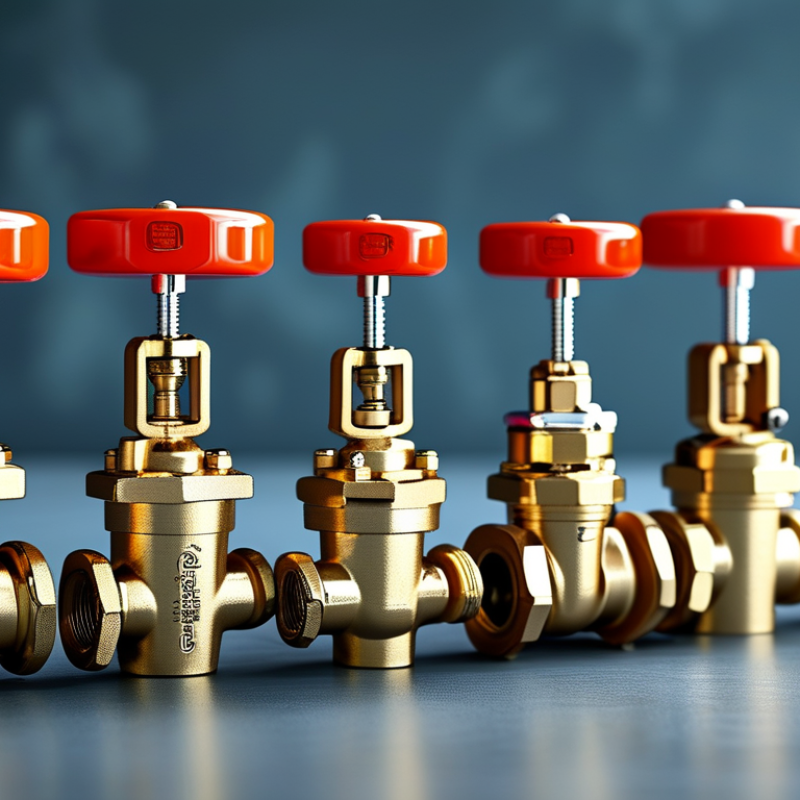
When selecting a lockable valve, it’s essential to consider various key factors. The material of the valve plays a critical role in its durability and performance. For instance, metals like brass offer corrosion resistance. Plastic may be lightweight but might not withstand high pressure. Evaluate the specific conditions your valve will face.
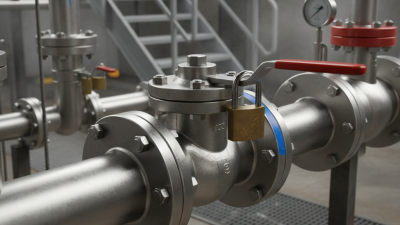
Another important factor is the locking mechanism. Some valves feature simple padlocks, while others have complex systems. Look for options that provide solid security but are also easy to operate. A user-friendly design can save time and reduce frustration.
Think about the diameter and pressure ratings required for your project. A valve that is too small may restrict flow, while one that is too large could waste resources. Pay attention to these specifics to ensure proper functionality. Confidence in your chosen valve’s capabilities is vital for maintaining system integrity.
Types of Lockable Valves and Their Applications
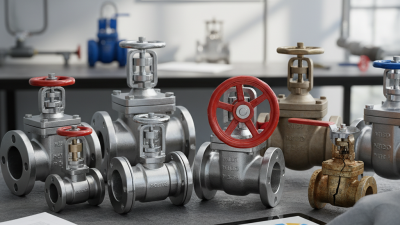
When selecting a lockable valve, it's essential to understand the various types available.
Ball valves are popular for their reliability. They provide a tight seal and are easy to operate.
This type is useful in water and gas applications.
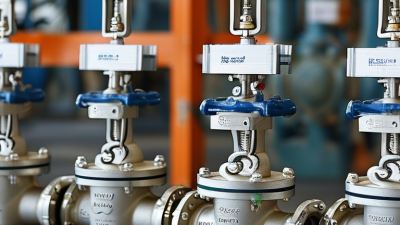
Another option is gate valves, ideal for on/off control. They allow for minimal flow resistance but are not suitable for throttling.
In addition to ball and gate valves, you might consider globe valves. They offer good throttling capabilities and are effective in regulating flow.
Butterfly valves also make a strong choice, especially in large systems. They are lightweight and cost-effective, often used in water treatment and HVAC systems.
Each valve type serves specific functions, which can affect performance in different settings.
Choosing the right lockable valve involves understanding your specific needs.
The environment, pressure, and temperature are key factors. Many people overlook these details.
They focus more on the locking mechanism than on how it fits their system.
Remember to think about installation and maintenance as well.
Each valve type may have unique requirements that can complicate or simplify usage.
Assessing Material Quality and Durability for Lockable Valves
When selecting a lockable valve, the material quality is paramount. Materials like stainless steel or brass offer excellent durability. They resist corrosion and wear, ensuring longevity. Plastic valves might be lighter, but they can degrade quickly under harsh conditions. Evaluating material characteristics can save time and money in the long run.
Durability tests can show how well a valve withstands pressure and temperature. Industrial settings often expose valves to extreme environments. A valve that cannot handle such stress may fail prematurely. Always check the manufacturer's specifications for performance data. Look for certifications that prove a valve's reliability.
It’s essential to consider not only the immediate cost but also the long-term investment. Sometimes, cheaper options can lead to higher maintenance costs. A thorough material assessment ensures that you don’t overlook potential issues. Reflecting on the specific use case is crucial. Choose a lockable valve that fits both your needs and the environment it will operate in. Proper planning and material evaluation can prevent costly mistakes.
Installation Tips for Optimal Performance of Lockable Valves
When installing lockable valves, attention to detail can significantly impact their effectiveness. Begin by ensuring compatibility with existing piping systems. Incorrect fittings can lead to leaks and compromise security. According to a recent industry report, improper installation accounts for nearly 30% of valve failures. Ensure all components align perfectly to maintain system integrity.
Next, consider the sealing method during installation. Valve seals need to be adequately placed to prevent fluid loss. A study highlighted that poorly sealed valves can waste up to 10% of fluid resources in industrial settings. Regular inspections of seals contribute to optimal performance and longevity of the valves.
Additionally, the location of the valve plays a crucial role. Install these valves in accessible areas. This practice enhances maintenance efficiency and ensures swift action if issues arise. Remember, accessibility can affect operational efficiency and response times. Reflect on your installation environment and make adjustments where necessary.