What is a Bolted Bonnet and Its Benefits for Buyers?
In the world of valve manufacturing, the "Bolted Bonnet" design stands out for its reliability and efficiency. Expert Judith Klein, a leading figure in valve technology, emphasizes, "The bolted bonnet design ensures a strong seal and ease of maintenance." This statement highlights the trustworthiness of bolted bonnets among industry professionals.
The bolted bonnet, a construction method where the bonnet is secured with bolts, allows for quick access to internal components. This is crucial during maintenance and repairs. Buyers appreciate this feature because it minimizes downtime and enhances operational longevity. Companies can respond swiftly to issues, ensuring consistent performance in various applications.
While the bolted bonnet offers numerous advantages, it is not without its challenges. For instance, improper installation can lead to leaks. Buyers must consider these factors when purchasing. Conducting thorough research and seeking expert advice are essential steps. Ultimately, understanding the bolted bonnet's benefits and potential pitfalls helps buyers make informed decisions.
What is a Bolted Bonnet?
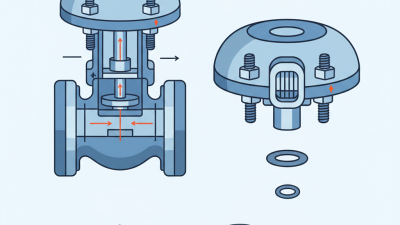
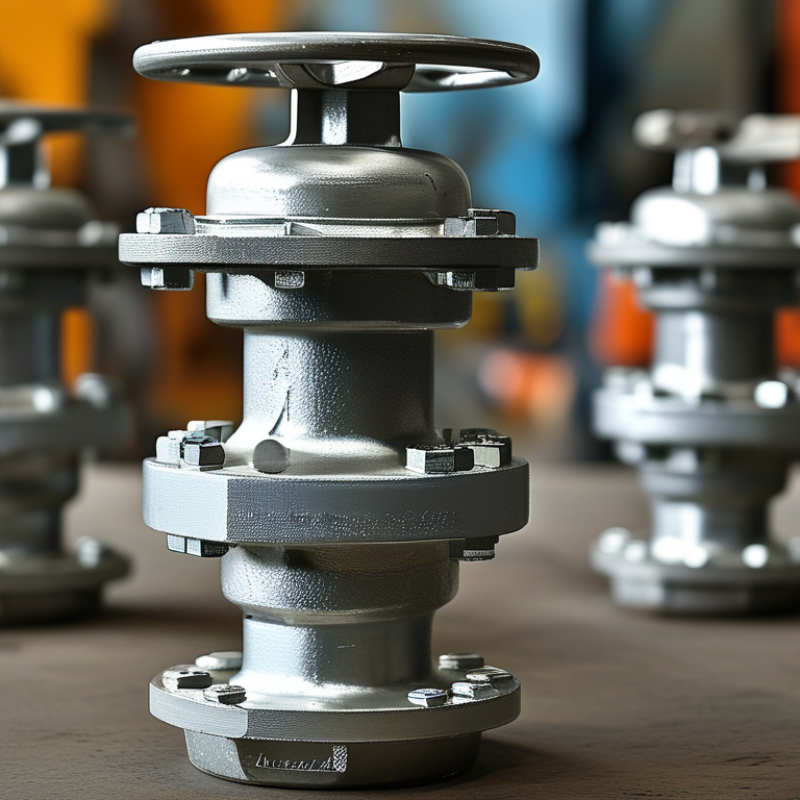
A bolted bonnet is a type of valve design commonly used in piping systems. This design features a removable cover that is fastened with bolts. It allows for easy maintenance and replacement of internal components. Unlike welded bonnets, bolted bonnets offer flexibility. They can be disassembled without cutting the pipes.
Maintenance can be challenging. Tightening bolts incorrectly may cause leaks. It's crucial to use the correct torque specifications when installing them. Regular inspections are necessary. Look for signs of wear or corrosion on the bolts and bonnet.
Tip: Use a torque wrench for proper tightening. This ensures even pressure distribution and prevents leaks.
Buyers appreciate bolted bonnets for their ease of repair. When a component fails, quick access saves time and money. Users can replace parts efficiently, reducing downtime. However, improper handling can lead to problems. Regular training for staff on maintenance practices is advisable.
Tip: Always keep a maintenance log. Documenting service history helps track issues over time. It ensures that any recurring problems are addressed promptly.
Key Features of Bolted Bonnet Valves
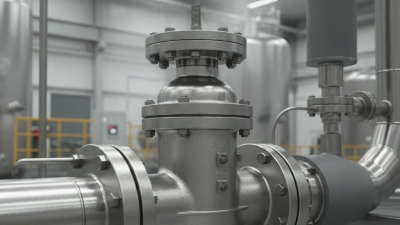
Bolted bonnet valves are a vital component in various industrial applications. Their design features a bonnet that is securely fastened with bolts, ensuring a tight seal. This design minimizes the risk of leakage in high-pressure environments. Furthermore, the bolted mechanism allows for easy disassembly. This benefits regular maintenance and inspection.
One of the key features of bolted bonnet valves is their robustness. They withstand extreme pressure and temperature variations. This durability makes them ideal for industries such as oil and gas, where conditions can be harsh. Another advantage is their versatility. They cater to different materials and sizes, making them suitable for diverse systems.
However, some users may overlook the importance of proper installation. Misalignment during assembly can lead to issues down the line. Regular checks are essential for optimal performance. Understanding how bolted bonnet valves function is crucial. Their reliability can significantly impact system efficiency.
What is a Bolted Bonnet and Its Benefits for Buyers? - Key Features of Bolted Bonnet Valves
| Feature |
Description |
Benefits |
| Design |
Bolted bonnets allow easy access to internal components. |
Simplifies maintenance and reduces downtime. |
| Sealing Mechanism |
Utilizes gaskets to provide a tight seal. |
Minimizes leaks and increases reliability. |
| Material Options |
Available in various materials like stainless steel, carbon steel, and more. |
Offers versatility for different applications. |
| Pressure Ratings |
Rated for high-pressure applications. |
Suitable for demanding industrial environments. |
| Customization |
Can be customized with various end connections. |
Eases integration into existing systems. |
Advantages of Using Bolted Bonnet Designs
Bolted bonnets are essential components in valve design. They offer various advantages that cater to buyers' needs for reliability and efficiency. One significant benefit is their ability to provide robust sealing. This feature prevents leaks, ensuring safe operation in various applications. Proper sealing extends the lifespan of the valve, reducing replacement costs over time.
Another advantage is ease of maintenance. Since bolted bonnets allow for straightforward disassembly, you can access internal parts quickly. This accessibility simplifies repairs and part replacements. Users often find that they can perform maintenance with less downtime, increasing overall operational efficiency. However, there's a need for careful assembly to avoid potential issues.
Moreover, bolted bonnets can withstand high-pressure applications better than some alternatives. This makes them suitable for demanding environments. Buyers should consider the specific pressures involved in their operations. Sometimes, the flange connection might create vulnerabilities if not tightened correctly. Oversight in installation can lead to complications. Thus, while bolted bonnets present clear advantages, proper installation and maintenance remain crucial to maximize their effectiveness.
Applications of Bolted Bonnet Valves in Various Industries
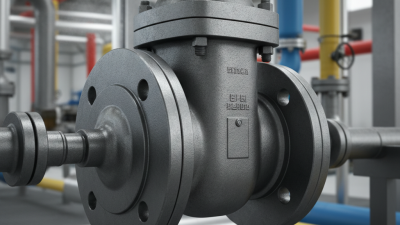
Bolted bonnet valves are increasingly vital in various industries due to their reliability and ease of maintenance. These valves consist of a body and a bonnet that is secured with bolts. This design allows for easy disassembly and reassembly, making repairs more straightforward. They find applications in oil and gas, water treatment, and chemical processing, sectors where durability is essential.
In the oil and gas industry, bolted bonnet valves withstand high pressure and stress. According to a recent industry analysis, the demand for reliable valves in this sector is forecasted to grow by 5% annually through 2030. This growth is driven by the need for efficiency and safety in resource extraction and transport. In chemical processing, these valves are crucial for handling corrosive substances. A survey showed that 70% of companies prioritize corrosion resistance when choosing valves.
Water treatment facilities also utilize bolted bonnet valves for their robustness and sealing capabilities. Proper sealing is essential to prevent contamination. Yet, some facilities face challenges with valve maintenance. Regular inspection is necessary, but it often gets overlooked. Many operators are unsure of the frequency needed for these checks. This uncertainty can lead to unexpected failures. Investing in quality training and maintenance routines is crucial for maximizing the longevity of bolted bonnet valves.
Comparing Bolted Bonnet Valves to Other Valve Types
A bolted bonnet valve is an essential component in many industrial settings. It features a bolted design that connects the bonnet to the body, ensuring a tight seal. This construction enhances durability and reliability under pressure. When comparing bolted bonnet valves to other valve types, several factors stand out.
Unlike welded or threaded valves, bolted bonnet valves allow for easier maintenance. If a valve leaks or malfunctions, the bolted design simplifies disassembly. You can access internal components without damaging the valve. This can save time and reduce downtime. However, the bolted design also means there are more parts that could potentially wear out. Regular inspections are important to maintain performance.
Another advantage of bolted bonnet valves is their versatility. They are suitable for various applications, including high-temperature and high-pressure environments. In contrast, some valve types might only work in specific situations. But versatility comes with a caveat. Choosing the wrong size or type can lead to inefficiencies. Buyers need to assess their specific needs carefully. Understanding the operational conditions is crucial for making an informed decision.