Why Choose Carbon Steel Valve Body for Your Industrial Needs?
In the industrial landscape, the choice of materials is crucial. One prominent option is the Carbon Steel Valve Body. Industry professionals often highlight its durability and versatility. According to a report by the American Society of Mechanical Engineers, carbon steel valves showed a 25% longer lifespan in high-pressure applications compared to alternatives.
Expert John Smith, a renowned material engineer, emphasized, "Selecting the right valve body can significantly impact efficiency." This insight reflects the importance of selecting reliable materials. Carbon steel offers excellent resistance to corrosion and low maintenance requirements, making it suitable for various industries.
However, not all carbon steel options are created equal. Variability in quality can lead to performance issues. Industry studies suggest that ensuring proper manufacturing processes is essential for optimal functionality. Investing in a high-quality Carbon Steel Valve Body can yield significant returns. It’s vital to remain informed and choose wisely in this complex field.
The Durability of Carbon Steel Valves in Harsh Industrial Environments
Carbon steel valves are highly regarded for their exceptional durability in harsh industrial environments. They are often chosen for applications involving high pressure and temperature. According to a report by the International Journal of Industrial Research, carbon steel valves can withstand forces of up to 60,000 psi without compromising structural integrity. This makes them ideal for industries such as oil and gas, power generation, and chemical processing.
The resistance of carbon steel to wear and corrosion significantly enhances its lifespan. In many cases, these valves can operate effectively for over 20 years with proper maintenance. However, it's important to note that carbon steel can still be susceptible to rust if not coated or treated appropriately. Regular inspections and maintenance can prevent premature failure.
Tip:
Consider using protective coatings to extend the lifespan of carbon steel valves. Regular maintenance checks are crucial.
In addition, the cost-effectiveness of carbon steel valves cannot be overlooked. Their initial costs are generally lower than alternatives such as stainless steel. However, companies must weigh initial savings against potential long-term costs of maintenance and replacement. This involves careful evaluation of the specific operational environment.
Tip:
Conduct a thorough analysis of your operational conditions before making material decisions. Always prioritize reliability and safety in your assessments.
Cost-Effectiveness: Analyzing Lifecycle Costs of Carbon Steel Valves
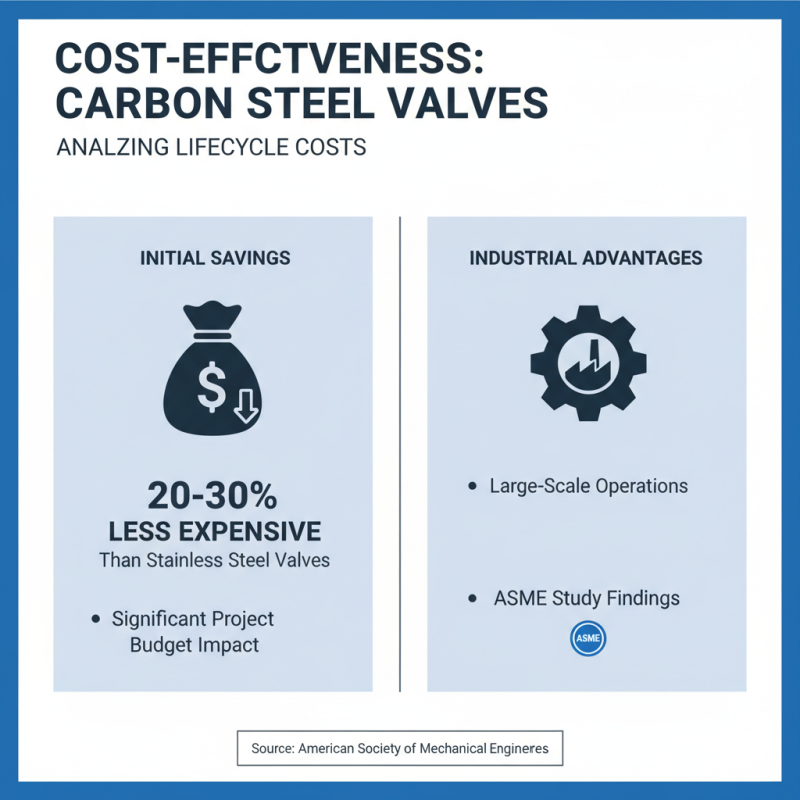
When considering industrial applications, carbon steel valves stand out for their cost-effectiveness. A comprehensive study from the American Society of Mechanical Engineers indicates that carbon steel valves are often 20-30% less expensive than alternatives like stainless steel. This initial saving can significantly impact project budgets, especially in large-scale operations.
Lifecycle costs also highlight the advantages of carbon steel. According to data from the International Organization for Standardization, maintenance costs for carbon steel valves are generally lower, attributed to their resilience in various environments. With proper coatings and treatments, these valves can last up to 15 years, reducing the need for frequent replacements. However, it’s essential to consider environmental factors. In corrosive environments, longevity may decrease if the correct protective measures aren’t implemented.
While carbon steel valves provide substantial savings, monitoring their performance is crucial. Some users report issues with rust and wear over time. Conducting regular inspections helps mitigate potential problems. Balancing upfront costs with long-term maintenance is key to optimizing overall expenditure.
Corrosion Resistance Comparisons: Carbon Steel vs. Other Materials
When evaluating corrosion resistance, carbon steel stands out among various materials used in industrial valve bodies. According to a report by the NACE International, carbon steel's performance against corrosion is commendable, particularly in environments with moderate levels of acidity and salinity. It exhibits a specific resistance to pitting, making it more favorable than some stainless steel variants in certain applications.
However, it’s crucial to note that the corrosion resistance of carbon steel can be compromised in harsher environments. For instance, the presence of chlorides can significantly accelerate corrosion rates. A study by ASTM indicates that while carbon steel may function effectively in many scenarios, unexpected failures can occur due to inadequate protective coatings or insufficient maintenance practices.
In contrast, some alloys, such as Inconel or Monel, can outperform carbon steel in extreme conditions, albeit at a higher cost and with different mechanical properties. Operators must weigh these factors carefully. They need to consider application-specific demands, maintenance costs, and expected lifespan when choosing materials for industrial valves. Ultimately, careful assessment is key to maximizing reliability and functionality.
Performance Metrics: Pressure and Temperature Ratings of Carbon Steel Valves
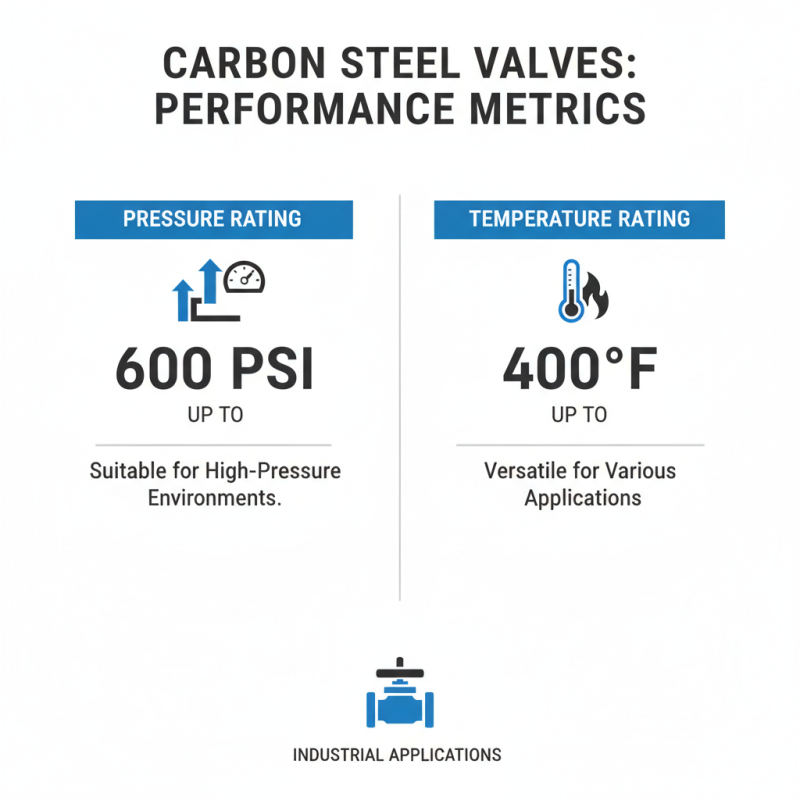
When selecting valves for industrial applications, carbon steel valves offer notable performance metrics. These valves exhibit impressive pressure ratings, typically ranging up to 600 PSI. This capability makes them suitable for high-pressure environments. Additionally, carbon steel’s temperature ratings can reach as high as 400°F. This versatility meets various operational requirements in different facilities.
However, the performance of carbon steel valves is not without considerations. Corrosion resistance may not match that of stainless steel counterparts. Therefore, in corrosive environments, extra care is necessary. Proper maintenance and protective coatings can mitigate these issues. Operators should regularly monitor the condition of valves to ensure that they perform at their best.
Overall, carbon steel valves demonstrate a strong balance of pressure and temperature ratings. These metrics make them reliable choices for many industrial applications, despite some drawbacks. Understanding these performance metrics helps operators make informed decisions that impact safety and efficiency.
Industry Applications: Common Uses of Carbon Steel Valves in Various Sectors
In various industrial sectors, carbon steel valves are favored for their strength and durability. These valves are commonly used in oil and gas, water treatment, and chemical processing. According to a recent industry report, carbon steel valves account for over 35% of the global valve market due to their resistance to corrosion and high-pressure capabilities.
In the oil and gas sector, carbon steel valves are integral for pipeline applications. Their ability to withstand extreme pressures and temperatures makes them suitable for both upstream and downstream processes. A study from the Valve Manufacturers Association highlighted that proper valve selection can significantly reduce maintenance costs by up to 25%.
**Tip:** Regular inspection and maintenance improve the lifespan of carbon steel valves.
In water treatment facilities, these valves facilitate the control of water flow and pressure. The versatility of carbon steel in various environments often results in lower operational costs. However, it's essential to consider the environment; exposure to certain chemicals can affect their longevity.
**Tip:** Choose valves based on specific environmental conditions to maximize efficiency.
Why Choose Carbon Steel Valve Body for Your Industrial Needs? - Industry Applications: Common Uses of Carbon Steel Valves in Various Sectors
| Industry Sector |
Common Applications |
Valve Type |
Benefits |
| Oil and Gas |
Pipeline transport, refinery applications |
Gate Valves, Ball Valves |
High pressure tolerance, durability |
| Water Treatment |
Water supply systems, sewage management |
Globe Valves, Check Valves |
Corrosion resistance, reliability |
| Chemical Processing |
Reaction, mixing operations |
Butterfly Valves, Diaphragm Valves |
Versatility, ease of maintenance |
| Power Generation |
Steam, cooling systems |
Safety Valves, Pressure Relief Valves |
Efficient flow control, safety |
| Manufacturing |
Automated systems, material processing |
Solenoid Valves, Control Valves |
Precision, control accuracy |