How to Choose the Right Lockable Valve for Your Needs?
Choosing the right lockable valve is crucial for various industrial applications. According to a report by the Valve Manufacturers Association, over 30% of valve failures are related to selection errors. Understanding your specific needs can prevent costly mistakes and ensure operational efficiency.
Industry expert, Dr. Emily Carter, states, "The right lockable valve can greatly enhance safety and control in any system." Her insights underline the importance of selecting the correct type based on pressure requirements, fluid type, and environmental conditions.
Many users overlook the implications of a poor choice. For instance, a lockable valve designed for low-pressure applications should never be used in high-pressure systems. Additionally, the quality of materials used in the lockable valve plays a significant role in its longevity and performance. Always seek options that meet industry standards and provide reliable operation.
Understanding the Different Types of Lockable Valves Available
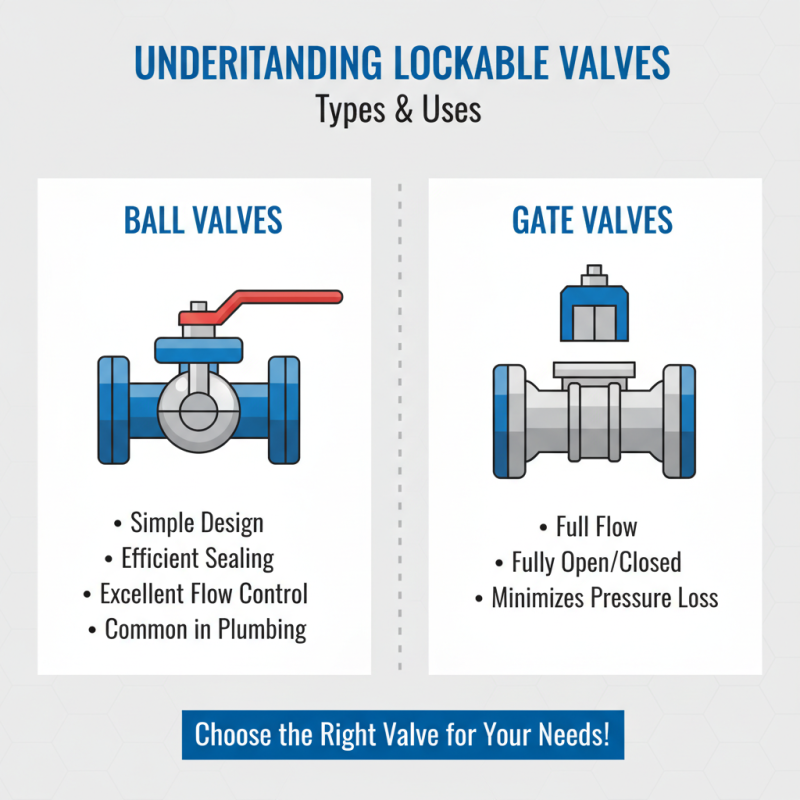
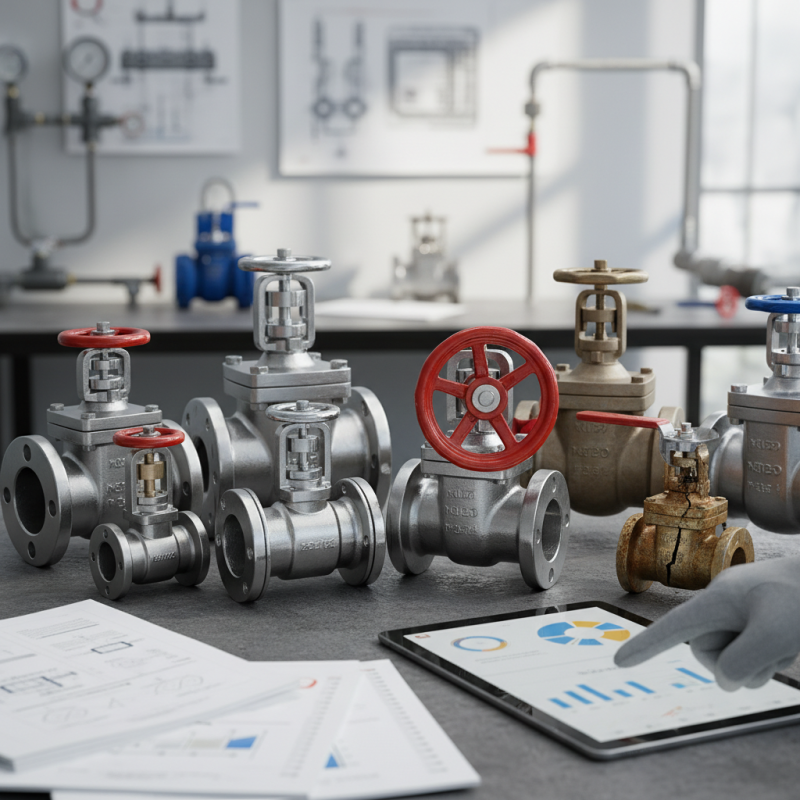
When it comes to choosing the right lockable valve, understanding the types available is crucial. There are several types of lockable valves designed to serve unique functions. Ball valves are popular for their simple design and efficient sealing. They provide excellent flow control and are often used in plumbing systems. On the other hand, gate valves are better for situations requiring a full flow. They can be fully opened or closed, which minimizes pressure loss.
Another type is the globe valve, ideal for throttling flow. Globe valves can be used when precise flow control is needed, but they can create more resistance. While these valves offer many benefits, they also have limitations. For instance, gate valves may be more challenging to operate in tight spaces. It's essential to weigh the advantages and drawbacks of each type.
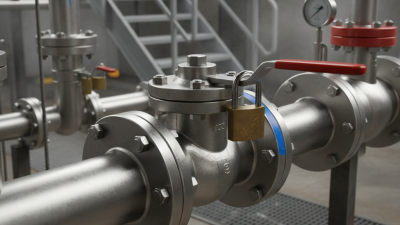
Lockable features enhance safety. They prevent unauthorized access and leaks. However, users should be aware of potential issues, like the difficulty in operation if locks become jammed. Regular maintenance is vital. This ensures the valves function properly over time. A well-chosen lockable valve, paired with a solid understanding of its type, can make all the difference for your specific needs.
Key Factors to Consider When Selecting a Lockable Valve
Selecting the right lockable valve requires careful consideration of key factors. First and foremost is the application. Different industries have different requirements. For instance, a study by the Flow Control Association shows that 40% of mechanical failures stem from improper valve selection. Understanding the specific conditions, such as pressure, flow rate, and temperature, is crucial.
Another vital aspect is the material composition. Whether dealing with corrosive substances or high temperatures, using the right materials can prevent costly leaks. According to the American Society of Mechanical Engineers, about 30% of maintenance costs are often attributed to material incompatibility. Therefore, choosing durable materials tailored to your application enhances safety and reliability.
Finally, consider the size and connectivity of the valve. Ensuring compatibility with existing piping systems minimizes installation problems. A survey from the Valve Manufacturers Association highlights that miscommunication about valve dimensions can lead to project delays in 25% of cases. This adds unnecessary costs and extends timelines, making it essential to double-check specifications. Thoughtful assessment prevents these common pitfalls while ensuring the selected valve performs optimally.
Key Factors to Consider When Selecting a Lockable Valve
Assessing Material Compatibility for Lockable Valves
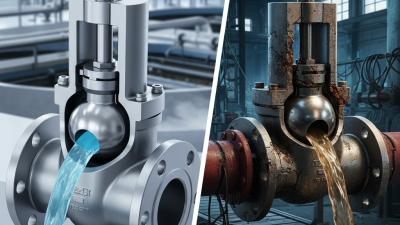
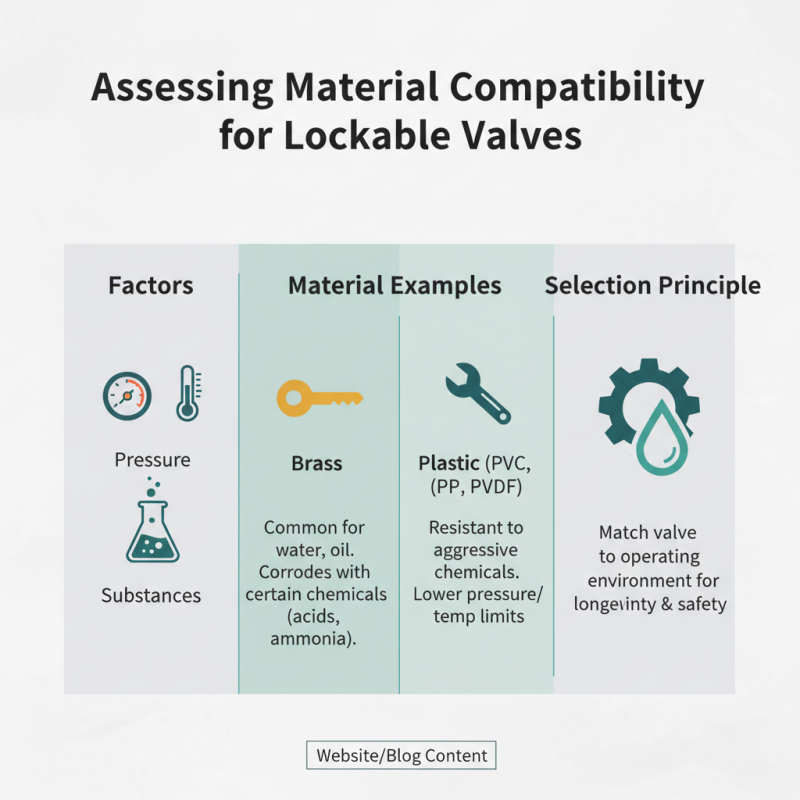
When selecting a lockable valve, material compatibility is critical. Different materials withstand various pressures, temperatures, and substances. Understanding the environment in which the valve will function is essential. For example, brass is common, but it can corrode in certain chemicals. Plastic valves may be more suitable for aggressive media.
Consider the intended application. If chemicals are involved, ensure the valve material won’t degrade or react unfavorably. Stainless steel offers strength and resilience. However, it’s not always the best choice for corrosive environments. Assessing chemical compatibility ensures longevity and efficiency.
Tips: Always consult technical data sheets. They provide vital information on material properties. Don’t overlook the operating temperature range. Verify the maximum pressure the valve can handle. Testing different materials in your specific environment can yield valuable insights. A hands-on approach may highlight potential issues not evident on paper.
Evaluating Security Features in Lockable Valves
When selecting a lockable valve, security features are paramount. The right valve can protect your assets while ensuring safety. Look for models with materials that resist tampering. Stainless steel can provide durability and strength. Additionally, ensure the locking mechanism is robust and tested against unauthorized access.
Tips for evaluating security features include examining the key type. A unique key system adds an extra layer of protection. Consider valves that can withstand extreme weather conditions. They should remain functional without risking security. Regular maintenance is essential too; worn parts may compromise safety.
Lastly, consider working with professionals. They can provide insights based on experience. Connect with experts who understand your needs and environment. Their advice can guide you toward the best choice, ensuring reliability and effectiveness. Don't underestimate the value of expert opinions in this area.
Installation and Maintenance Tips for Lockable Valves
When considering lockable valves, installation and maintenance are crucial. These valves enhance safety in various applications. According to a report by the Valve Manufacturers Association, proper installation can reduce operational failures by up to 30%. Ensuring correct valve orientation during installation is essential. Following the manufacturer's guidelines helps avoid common pitfalls.
Routine maintenance can prolong the life of lockable valves. Regular inspections and lubrication are vital. Data from the American Society of Mechanical Engineers suggests that 25% of valve failures are due to neglect. Simple tasks, like checking for leaks, can prevent costly repairs. However, not all facilities adhere to maintenance schedules. This oversight often leads to inefficiencies.
Training personnel on valve operation is essential. A well-informed team can identify issues early. Yet, there's always room for improvement in training programs. Keeping records of maintenance also aids in accountability. Sometimes, neglecting documentation can lead to repeat problems. Being proactive with lockable valves can ensure better performance in the long run.