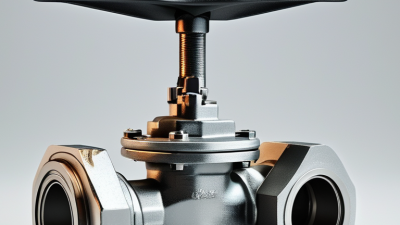
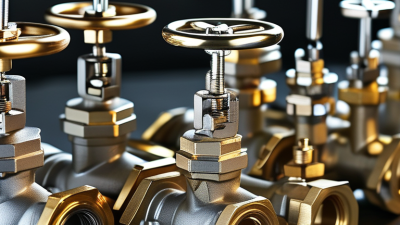
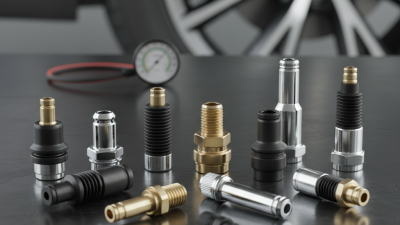
China’s valve supply chain serves energy, water treatment, chemical processing, and industrial equipment markets. Demand places close attention on the small parts that control sealing and movement. A Stainless Valve Stem may look simple, yet its material grade, surface finish, straightness, and thread accuracy affect valve performance. Small defects matter.
MarketsandMarkets’ Industrial Valves Market report estimated the global market at about US$76.2 billion in 2023 and projected growth to US$98.4 billion by 2028. This broader market figure does not measure stem sales alone. It does, however, show why buyers increasingly scrutinize component quality and supplier capability. Stainless steel grades such as 304 and 316 are common choices, but the right selection depends on the fluid, temperature, pressure, and operating environment.
This guide examines leading Stainless Valve Stem manufacturers in China through practical criteria: material traceability, machining capability, dimensional inspection, production consistency, and export experience. Buyers should ask for drawings, test records, and clear tolerance specifications—not rely on a polished catalog. A certificate helps, but it is not the whole story. Supplier rankings can also change, and available public data may not capture every factory’s current performance. The strongest choice is the one that can demonstrate repeatable quality for your application.
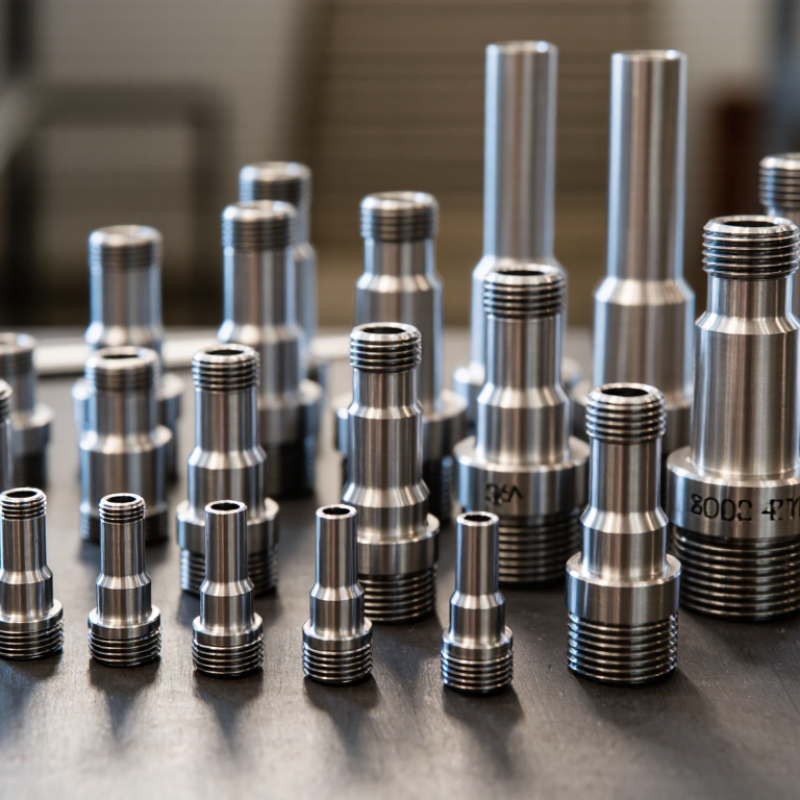
A stainless valve stem transfers movement from a handwheel or actuator to the valve’s closing element. In a gate valve, it raises or lowers the gate; in a ball valve, it turns the ball. The stem also works with packing to help contain process fluid. If its surface is scored, packing can wear faster and leakage may follow. Small part. Critical job.
Material choice depends on the fluid, temperature, pressure, and operating cycles. The World Stainless Association reported global stainless steel production of 58.4 million tonnes in 2023. That figure describes the wider material industry, not valve-stem performance.
It does underline why grade selection matters: “stainless” alone does not guarantee resistance to every service environment. Engineers should check the specified alloy, stem finish, dimensions, and compatibility with the valve body. One overlooked issue is galling, which can occur when stainless sliding surfaces contact under load.
Tips: Ask for material certificates and dimensional inspection records. Check stem straightness and the packing-contact finish, not just the alloy name. For corrosive service, verify grade suitability against the actual fluid and temperature. A polished sample helps, but it cannot replace documented checks.

Stainless valve stems are commonly specified in 304 or 316 stainless steel. Typical 304 composition is 18–20% chromium and 8–10.5% nickel, with carbon limited to 0.08% maximum. Grade 316 usually contains 16–18% chromium, 10–14% nickel, and 2–3% molybdenum; its carbon limit is also commonly 0.08%. Exact limits can vary with the governing material standard and product form, so a grade name alone is not complete evidence.
Tips: Request a material test certificate and check that its chemistry matches the ordered grade. For critical parts, positive material identification can help confirm alloy content. A magnet test is not a dependable way to distinguish these grades. Check the paperwork.
Molybdenum helps 316 resist pitting in chloride-bearing environments, such as near salt spray or process brine. Grade 304 may suit milder service, but exposure, temperature, surface finish, and cleaning practices also affect performance. Small difference. Big consequence. I would not treat the grade label as the whole answer; confirm the operating conditions and relevant standard before choosing a stem.
A stainless valve stem begins as bar stock, so material selection affects machining, fit, and service life. ASTM A276/A276M covers stainless steel bars and shapes, with requirements that vary by grade and product condition. It gives buyers a common basis for checking material documentation. It does not specify every finished-stem requirement.
For a stem exposed to moisture or process fluids, compare the intended service environment with the selected stainless grade’s corrosion resistance. Then check strength needs, stock diameter, machining allowance, and the supplier’s documented delivery condition. A bar that machines smoothly may still be unsuitable if its dimensions or condition do not match the drawing. Small details matter.
Before ordering, confirm the applicable standard edition, grade, dimensions, and required certification with the mill or distributor. Review the material test report against the purchase specification, and clarify any requirements for straightness, surface condition, or heat treatment. ASTM A276 is a useful starting point, not a complete valve-stem specification. That distinction is easy to miss, especially when a familiar grade is being reused.
A valve stem must move smoothly while holding pressure and resisting wear. Its performance starts at the machine, not at the polishing bench. Turning concentricity matters: a small offset can make the stem rub against packing or guide surfaces. That friction may cause uneven wear, leakage, or a stiff handwheel. A clean-looking stem is not automatically a well-made one.
Surface finish affects both sealing and movement. Fine, consistent machining marks help packing sit evenly, while deep grooves can create leak paths and score softer materials. Yet an extremely smooth finish is not always better; the right texture depends on the packing material and service conditions. Measure the stem where it contacts the seal, not just at an easy-to-reach end. Small details matter. In practice, I would ask a manufacturer to explain its finish target and how it verifies it. A number without a measurement method tells only part of the story.
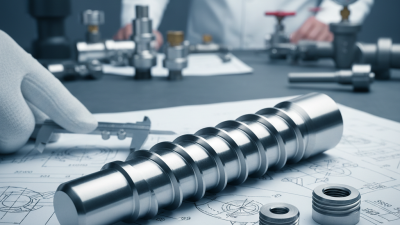
Inspection should connect dimensions to real use. Check diameter, straightness, thread fit, and surface roughness with suitable calibrated instruments, and record results by production lot. Visual checks can catch scratches, burrs, and corrosion spots, but they cannot confirm runout. Not always. Sampling can also miss a machining drift between inspected parts, so the inspection plan needs to match batch size and process stability. Ask how rejected stems are handled, too; that answer can reveal more than a polished sample.
Best Stainless Valve Stem Manufacturers in China?
Compare manufacturers through evidence, not polished brochures. Ask for the quality certificate’s scope, issuing body, and current validity. The ISO Survey 2022 reported 1,265,216 valid ISO 9001 certificates worldwide. That figure shows how widely the system is used, not whether a specific stem meets your drawing. Request inspection records for your actual material grade, dimensions, and production lot.
Testing records should identify the test method, acceptance limits, sample size, and measuring equipment. For stainless valve stems, review material certificates alongside hardness or tensile results when specified. Check whether instruments have current calibration records, and whether testing is performed in-house or by a competent external laboratory. Paperwork can look tidy; it still may not reveal inconsistent machining. Ask for a sample report and trace one heat number from raw bar to finished part.
Tip: Send a marked drawing and ask the supplier to link one sample stem to its material heat number, inspection results, and shipment record. Check that the numbers match. A small mismatch matters. Then confirm how nonconforming parts are isolated and documented. No system is perfect, and a brief video call from the inspection area can clarify what a certificate cannot.