Leave Your Message

What Is the Best Lockable Valve Supplier in China?

Choosing the best Lockable Valve supplier in China requires more than comparing unit prices. A dependable supplier should combine verified materials, repeatable machining, controlled assembly, and complete traceability. Buyers should inspect body grades, stem design, locking strength, pressure ratings, and test records. The details matter. A gritty workshop floor, unclear labels, or missing heat numbers can signal deeper process weaknesses.

Recent reports from Grand View Research and MarketsandMarkets place industrial valves among major global process-equipment markets, supported by energy, water treatment, chemical processing, and infrastructure investment. Their findings also highlight rising demand for safer isolation, corrosion resistance, automation compatibility, and documented quality. However, these reports usually group lockable products within broader valve categories. Exact Lockable Valve market figures remain difficult to verify. That limitation deserves attention.

Valve engineering author Robert C. Rosaler wrote, “Reliable equipment begins with correct selection, installation, and maintenance.” His principle fits lockable valve procurement closely. A strong Chinese supplier should provide pressure-test certificates, dimensional drawings, material certificates, inspection plans, and responsive technical support. ISO 9001 certification is useful, but it is not proof of every product’s performance. Ask for recent batch records. Request third-party inspection when the application is critical. Check whether samples match production units.

No supplier is automatically the best. The right choice depends on media, pressure, temperature, operating frequency, and required delivery time. A practical comparison should score quality control, engineering experience, export history, customization ability, and after-sales service. Price belongs in the evaluation. It should not lead it.
What Is the Best Lockable Valve Supplier in China?

What Is a Lockable Valve and Why Is It Used?

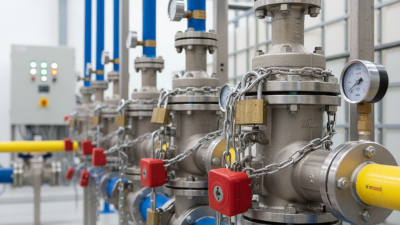
A lockable valve is a valve designed to accept a padlock or safety lockout device. It prevents the handle from moving without authorized access. The valve may control water, air, steam, gas, or process fluids. Its lock point usually holds the handle in an open or closed position. Simple idea. Strong protection.

In maintenance areas, workers use lockable valves to isolate energy before opening equipment or replacing components. A locked valve can prevent accidental flow while a technician works near a pipe, pump, or pressure vessel. Clear tags should identify the person, purpose, and isolation status. The lock alone is not enough. Pressure must also be released, and the line should be checked before work begins.

From my experience reviewing industrial valve requirements, small design details matter. A rough lock hole can slow installation. Weak handles may bend under repeated use. Good suppliers in China should provide material information, pressure ratings, inspection records, and practical samples. The valve should match the medium, temperature, connection standard, and operating environment. Stainless steel may suit corrosive areas, while coated carbon steel can serve less aggressive systems. A supplier may claim easy locking, but field testing can reveal awkward access or poor visibility. That is where careful questioning becomes valuable.

What Is the Best Lockable Valve Supplier in China? - What Is a Lockable Valve and Why Is It Used?

Technical comparison and supplier-selection criteria for industrial lockable valves

Lockable Valve Types, Specifications, Applications, and Supplier Evaluation Factors
Evaluation Dimension Ball Valve Butterfly Valve Gate Valve Globe Valve Why It Matters When Choosing a Supplier
Primary function Fast isolation and shut-off Compact isolation and flow control Straight-through isolation with low pressure loss when fully open Flow regulation and throttling The supplier should recommend the valve according to the actual service, not only the requested size.
Operating movement Quarter-turn, normally 90° Quarter-turn, normally 90° Multi-turn rising or non-rising stem Multi-turn stem movement The lockout device must match the actuator, handwheel, stem, or lever design.
Typical locking method Locking lever or lockable stem Locking handle, gearbox, or actuator lockout Lockable handwheel or stem arrangement Lockable handwheel or stem arrangement Confirm whether the lockout is integrated, removable, padlock-compatible, and suitable for site procedures.
Lockout purpose Prevents unauthorized or accidental operation during maintenance, cleaning, commissioning, or emergency isolation. A locked valve is not a substitute for verified depressurization and an approved lockout/tagout procedure. A technically responsible supplier should provide installation, operating, and safety documentation.
Common body materials Brass, stainless steel, carbon steel, or ductile iron Ductile iron, carbon steel, stainless steel, or aluminum alloy Cast iron, ductile iron, carbon steel, or stainless steel Carbon steel, stainless steel, or alloy steel Material selection must consider fluid compatibility, corrosion, temperature, pressure, and applicable regulations.
Typical connection options Threaded, socket-weld, butt-weld, or flanged Wafer, lug, or double-flanged Flanged, threaded, or welded Flanged, threaded, or welded The supplier should verify flange dimensions, pressure class, face-to-face length, and piping compatibility.
Common pressure references ASME Class 150, 300, 600, or PN-rated designs are common PN-rated and ASME Class-rated designs are common PN-rated and ASME Class-rated designs are common PN-rated and ASME Class-rated designs are common Pressure rating is design-specific; never select a valve from nominal size alone.
Common standards to verify Depending on the design, relevant references may include ASME B16.34 for valve pressure-temperature ratings, API 598 for inspection and testing, ISO 5211 for actuator mounting, and MSS SP-25 for marking. A reliable supplier should identify the exact edition and scope of every claimed standard.
Testing documentation Typical documents include material certificates, dimensional inspection reports, pressure-test records, coating reports where applicable, and a certificate of conformity. Request traceable records linked to the purchase order, valve tag, heat number, and test results.
Best supplier indicators Documented quality system, clear technical datasheets, in-house or controlled testing, stable material traceability, experienced engineering support, export packaging, and responsive after-sales service. The best supplier is the one that consistently meets the required design, documentation, delivery, and service specifications for the project.
Information to include in an inquiry Valve type, nominal size, pressure class or PN rating, body and trim materials, fluid, operating temperature, design pressure, connection standard, end-to-end dimension, locking method, quantity, inspection requirements, and delivery location. Complete technical information reduces quotation errors, delays, unsuitable substitutions, and additional engineering costs.
Important selection note: Pressure, temperature, material compatibility, emissions requirements, fire-safe requirements, and lockout/tagout procedures must be confirmed by the project engineer and the valve manufacturer before purchase.

Which Factors Define the Best Lockable Valve Supplier in China?

What Is the Best Lockable Valve Supplier in China?

The best lockable valve supplier in China is defined by more than price or a polished catalog. Practical experience matters. A reliable supplier should understand valve selection, pressure ratings, temperature limits, and site conditions. Ask for material certificates, dimensional drawings, and test records before placing an order. Factory audits can reveal important details, such as clean assembly areas, calibrated gauges, and organized storage. These signs often matter more than marketing claims.

Product consistency is another key factor. Each lockable valve should operate smoothly, secure firmly, and match the approved specifications. Suppliers should explain how they control casting, machining, coating, and final inspection. Clear traceability is valuable when several production batches are involved. Communication also defines reliability. The supplier should answer technical questions directly, confirm lead times honestly, and report problems before shipment. No supplier is flawless. However, a responsible supplier admits weaknesses and improves its process.

Tips: Request a sample before bulk production. Test the locking mechanism with gloves and normal tools. Check whether the valve remains secure after repeated operation. Review packaging details, especially for long-distance transport. Do not judge quality from photographs alone. A factory visit or independent inspection may prevent expensive misunderstandings. Also, compare warranty terms and spare-part support carefully. These points are easy to overlook. A low quotation may hide inconsistent materials, delayed responses, or weak after-sales service. The best choice balances engineering ability, verified quality, transparent communication, and dependable delivery.

How to Compare Chinese Lockable Valve Manufacturers

Comparing Chinese lockable valve manufacturers requires more than checking unit prices. The 2024 United Nations World Water Development Report states that agriculture uses about 70% of global freshwater withdrawals. Therefore, valve reliability matters in irrigation, treatment, and industrial pipelines. Ask each supplier for pressure ratings, body materials, temperature limits, and locking mechanism drawings. Do not accept vague terms such as “heavy duty.”

Test evidence is more valuable than polished brochures. Confirm whether pressure and leakage tests follow ISO 5208 or API 598. Request recent inspection records, calibration certificates, and traceability for castings and seals. A factory should explain how it controls machining tolerances, coating thickness, and final assembly. It should also provide samples from the same production line, not specially prepared pieces.

Look closely at after-sales support. Can the supplier provide replacement seals, installation guidance, and clear responses within one business day? Review export experience, production capacity, and independent audit findings. The International Energy Agency reports that global clean-energy investment reached about 2 trillion dollars in 2024, increasing pressure on industrial supply chains and component quality. This does not make every low-cost offer risky, but it deserves careful questioning. A cheaper valve may carry higher testing, downtime, or maintenance costs. I would compare total ownership cost, not only the quotation. Sometimes, I still miss hidden risks. That is why a witnessed factory inspection remains useful.

What Is the Best Lockable Valve Supplier in China?

How to Compare Chinese Lockable Valve Manufacturers

A reliable comparison should focus on verifiable manufacturing evidence rather than price alone. The chart uses a practical procurement scorecard: product quality and traceability receive the highest weighting, followed by testing capability, compliance documentation, delivery performance, and after-sales support.

The percentages represent a neutral buyer-defined evaluation framework, not market share or performance data for any specific company. Request objective evidence such as material certificates, pressure-test records, inspection reports, quality-system certificates, and delivery references before selecting a supplier.

What Quality Standards Should a Reliable Supplier Meet?

A reliable lockable valve supplier should prove quality through controlled processes, not attractive catalog photographs. ISO 9001 certification is useful, but it should support real production discipline. Ask for material certificates, heat-number traceability, and inspection records for each valve batch. The documents should match the valve body, stem, seat, and locking device delivered.

Technical compliance matters. The supplier should understand relevant requirements such as API 6D, API 598, ASME B16.34, or applicable regional standards. Pressure testing must follow an approved procedure, with calibrated gauges and recorded results. Inspectors should verify shell strength, seat tightness, operating torque, and lock performance. Small details matter. A stiff lock can delay isolation during maintenance.

Factory experience also deserves careful checking. Request sample quality plans, welding qualifications, dimensional reports, and evidence of corrective actions. A trustworthy supplier accepts independent inspections before shipment. It should explain failures clearly instead of hiding them behind vague statements. However, no supplier is flawless. A certificate alone can mislead, and even a strong factory may have occasional batch variation. That is why incoming inspection remains necessary. Check coating thickness, thread condition, flange dimensions, and nameplate data. Clear communication, stable testing practices, and complete records provide stronger evidence than low pricing.

How to Select the Right Lockable Valve Supplier for Your Needs

What Is the Best Lockable Valve Supplier in China?

Selecting the right lockable valve supplier starts with your operating conditions, not a supplier’s catalogue. Define the valve type, media, pressure, temperature, connection, and locking method. A chemical plant may need corrosion-resistant alloys, while a water facility may prioritize coated ductile iron. Ask for material certificates, pressure-test records, dimensional drawings, and batch traceability. A low quotation is not always economical.

Safety evidence matters. OSHA reports that effective lockout/tagout practices can prevent about 120 fatalities and 50,000 injuries annually in the United States. Therefore, inspect how the supplier designs the locking point and prevents accidental operation. Request test samples with visible padlock clearance, durable labels, and smooth handle movement. Check compliance with relevant ISO, EN, API, or ASME requirements, depending on your application. Certificates help, but they do not replace testing.

Production control reveals more than polished brochures. Review incoming-material checks, machining records, pressure-test procedures, and final inspection reports. ISO’s 2023 Survey recorded more than 1.26 million ISO 9001 certificates worldwide, yet certification alone does not guarantee reliable valves. Visit the factory or use an independent inspection service. I would not trust my first shortlist. Compare response time, engineering support, spare-part availability, and complaint handling. Start with a small trial order, measure leakage and locking performance, then expand only when the results remain consistent.