What is a Stainless Bonnet and How to Choose the Right One?
A Stainless Bonnet is an essential component in various industries, from automotive to aerospace. Understanding its features can help you make informed decisions. This guide dives deep into what a Stainless Bonnet is and how to choose the right one.
Selecting the right Stainless Bonnet requires knowledge and experience. Factors like material quality, design, and application are crucial. Ensuring durability and performance is vital, yet many overlook these aspects. A poorly chosen bonnet can lead to inefficiencies and increased costs over time.
In the quest for the perfect Stainless Bonnet, it's essential to reflect on your specific needs. Each application presents unique challenges. Are you prioritizing heat resistance or corrosion resistance? The answers will guide your choice and ultimately affect the performance of your equipment.
What is a Stainless Bonnet and Its Purpose in Various Applications?
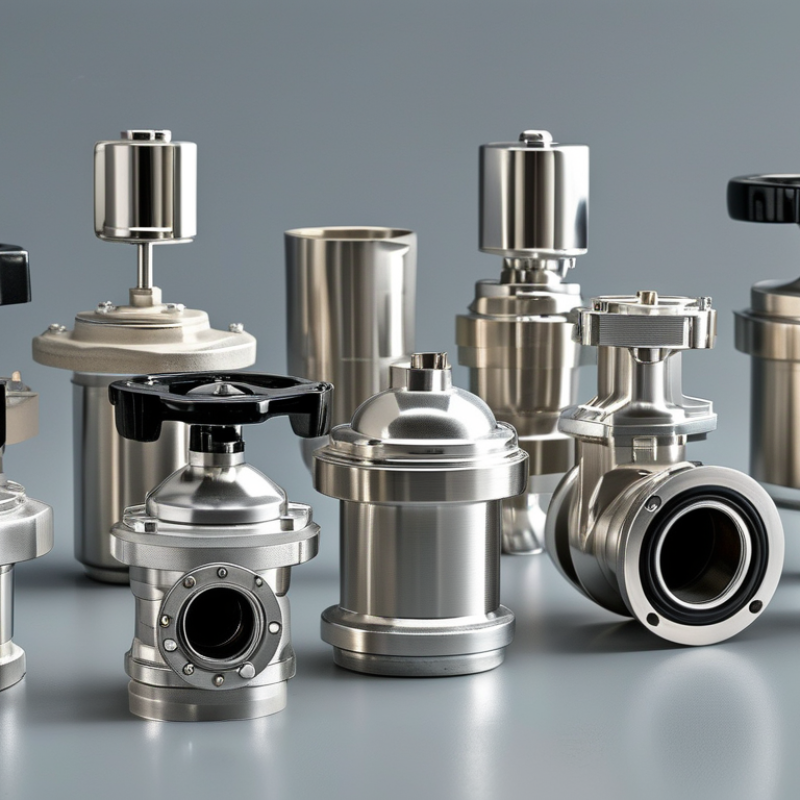
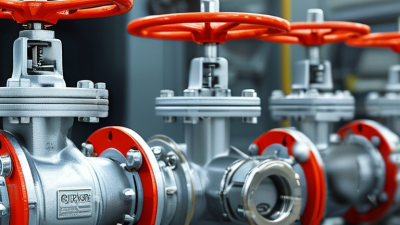
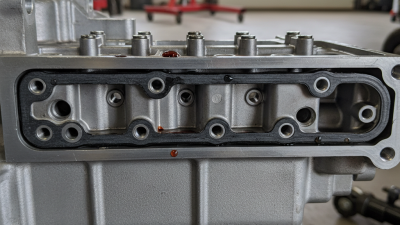
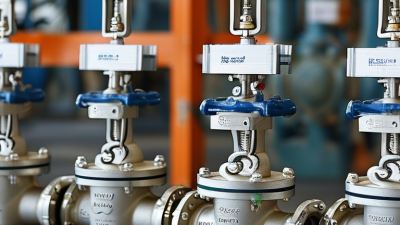
A stainless bonnet is an essential component widely used in various applications, particularly in valves. Its primary function is to provide a protective cover for internal parts, enhancing the durability of the equipment. Stainless steel offers excellent resistance to corrosion, which makes it suitable for harsh environments. This attribute is crucial in industries like oil and gas, chemical processing, and food and beverage, where cleanliness and durability matter immensely.
When choosing the right stainless bonnet, considering the application is vital. Each industry has different requirements. For instance, high-temperature applications need bonnets that can withstand severe conditions without deforming. Sometimes, a robust design may overlook specific aesthetic needs or ergonomic considerations. Mixing form with functionality can be a challenge.
Another factor is the thickness of the stainless steel. Thicker materials may last longer but can add unnecessary weight. This choice can affect the overall ease of installation. Experts often advise balancing durability with practicality. Understanding the specific environment where the bonnet will be utilized can help in making an informed decision. Each choice opens up a pathway for different outcomes. Reflecting on these factors minimizes potential pitfalls in operations.
Key Features and Benefits of Stainless Bonnets in Construction
Stainless bonnets are essential components in construction, known for their durability and corrosion resistance. They are primarily made from high-grade stainless steel, which provides exceptional strength and longevity. According to a study by the International Stainless Steel Forum, using stainless steel can increase the lifespan of construction projects by up to 30%, reducing replacement and maintenance costs over time.
One key feature of stainless bonnets is their ability to withstand extreme temperatures and weather conditions. They are designed to operate effectively in both hot and cold environments. This is crucial for any construction site where temperature fluctuations can impact material performance. Additionally, stainless bonnets are non-reactive, meaning they won’t corrode, rust, or degrade, even in harsh chemical environments. This property is particularly beneficial in industries like food processing and pharmaceuticals, where hygiene is paramount.
While the advantages are significant, one area to reflect on is the initial cost. Stainless steel can be more expensive than other materials, which might deter some contractors. However, when considering the potential savings in maintenance and replacement, the investment often pays off. Choosing the right stainless bonnet requires understanding the specific needs of your project, such as load-bearing capacity and environmental conditions, to maximize its benefits.
Factors to Consider When Choosing a Stainless Bonnet Type
When selecting a stainless bonnet, several factors come into play. Material type is crucial. Different stainless steel grades offer varying levels of corrosion resistance and strength. For instance, 304 stainless steel is commonly used due to its versatile properties. However, in extreme environments, 316 stainless steel may be preferable. Consider your specific application when making this choice.
The design of the bonnet is another vital aspect. It should fit the intended use while maintaining functionality. Pay attention to the dimensions and the way the bonnet attaches to other components. A poorly designed bonnet may lead to leaks or inefficiencies. Additionally, evaluate the maintenance requirements. Some bonnets require more frequent checks than others. This can affect long-term operational costs.
Another reflection point is aesthetics. While performance is essential, a visually appealing design can enhance overall appeal. Nevertheless, do not prioritize looks over function. This balance can be difficult to achieve. Finally, consult with professionals who have experience in your specific industry. Their insights can guide you in making the right choice. Your application deserves a bonnet that perfectly fits its needs, ensuring reliability and efficiency.
Common Materials Used in Stainless Bonnets: Pros and Cons
When selecting a stainless bonnet, it’s essential to understand the common materials used. Stainless steel grades like 304 and 316 are prevalent. Grade 304 is known for its excellent corrosion resistance, particularly in less harsh environments. It is often cost-effective and widely used in food processing. However, it may not withstand highly acidic or salty conditions, where grade 316 shines. This grade has added molybdenum, enhancing corrosion resistance significantly. According to a report by the American Iron and Steel Institute, 316 stainless steel can last 2-3 times longer in certain conditions compared to 304.
Other materials like carbon steel offer great strength but lack the corrosion resistance of stainless options. When used in moisture-prone environments, they can rust easily. In contrast, polymer-based bonnets have become popular for specific applications. They are lightweight and resistant to various chemicals. However, they may not handle high temperatures well. An industry survey from Stainless Steel World states that 70% of users prefer stainless steel for durability and longevity, highlighting its reliability over alternatives.
Choosing the right material involves considering the working environment and expected lifespan. Each option has specific advantages and drawbacks. Understanding the strengths and weaknesses of these materials can lead to better decision-making. It’s advisable to weigh these factors carefully, as the right choice can significantly impact performance and maintenance needs.
What is a Stainless Bonnet and How to Choose the Right One? - Common Materials Used in Stainless Bonnets: Pros and Cons
| Material |
Pros |
Cons |
Best Use Cases |
| 304 Stainless Steel |
Excellent corrosion resistance, good formability |
Susceptible to chloride attack, lower tensile strength compared to other grades |
Food processing, chemical storage |
| 316 Stainless Steel |
Superior corrosion resistance, especially against chlorides |
Higher cost compared to 304 |
Marine environments, pharmaceutical applications |
| 430 Stainless Steel |
Good resistance to oxidation, lower cost |
Moderate corrosion resistance, less durable |
Kitchen appliances, automotive trim |
| Duplex Stainless Steel |
High strength, excellent resistance to stress corrosion cracking |
Difficult to weld, higher cost |
Oil and gas applications, high-pressure environments |
Maintenance Tips for Ensuring Longevity of Stainless Bonnets
Maintaining a stainless bonnet requires regular attention. Start by cleaning it frequently. Use a mild detergent and warm water. Avoid abrasive materials that could scratch the surface. A soft cloth or sponge works best. Regular cleaning prevents stains and maintains its shiny appearance.
Check for any signs of rust or wear. Even stainless steel can succumb to corrosion over time. Inspect seams and edges carefully. Address any issues immediately. This proactive approach can extend the lifespan of your bonnet. Consistent maintenance is essential for ensuring that it functions effectively.
Storage is another key factor. Store your bonnet in a dry, clean place. Humidity can lead to deterioration. Consider using a cover to protect it from dust. Proper storage can significantly enhance longevity. Keeping the bonnet in a safe environment leads to better performance and durability. Regular checks and adequate care can transform your maintenance routine, turning it into a productive practice rather than a chore.