How to Choose the Right Ball Valve Body for Your Application?
Selecting the right Ball Valve Body is crucial for optimal performance in various industrial applications. According to a report by the Global Market Insights, the ball valve market is projected to exceed USD 13 billion by 2026, driven by the demand for efficient flow control solutions in oil and gas, chemical processing, and water treatment sectors. This growing market underscores the need for understanding the specific requirements of each application.
A well-chosen Ball Valve Body can enhance system reliability and efficiency. However, not all materials and designs suit every use case. Industry experts highlight that improper selection may lead to premature failures or inefficiencies. It’s essential to consider factors like pressure rating, size, and environmental conditions. Misjudging any of these can result in costly downtime or safety hazards.
In highly regulated industries, compliance with standards like ANSI or API is non-negotiable. Therefore, consulting with experienced professionals can provide valuable insights. Their expertise helps in navigating the complexities of today’s valve technologies. Making informed decisions about the Ball Valve Body can significantly influence overall operational success and safety. Reflecting on past experiences often reveals areas for improvement in the selection process.
Understanding Ball Valve Body Types: Key Characteristics and Materials
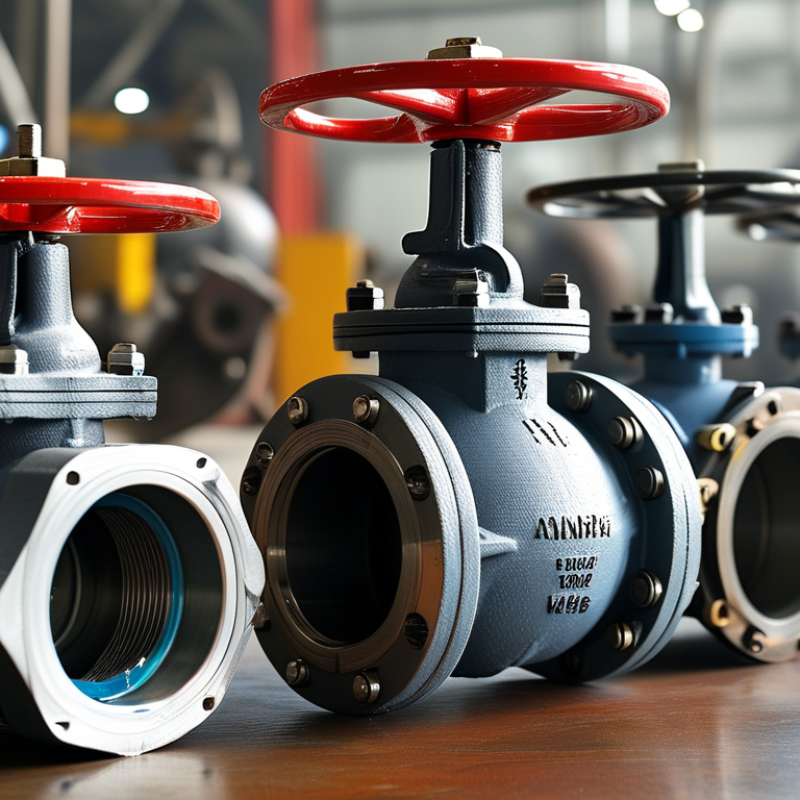
When selecting a ball valve body, understanding various types is crucial. There are three primary body types: full-port, reduced-port, and V-port. Each type offers distinct flow characteristics. The full-port design allows for maximum flow through the valve. This design is ideal for applications requiring minimal pressure drop. In contrast, the reduced-port body restricts flow, which may be adequate for certain applications. It's essential to match the body type with the specific needs of your system.
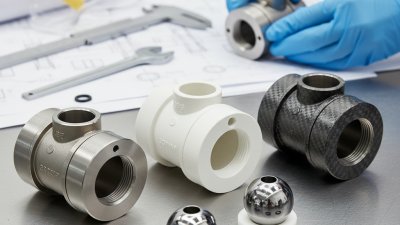
Materials used in ball valve bodies also vary widely. Common materials include brass, stainless steel, and PVC. Brass is often suitable for low-pressure applications and is cost-effective. Stainless steel offers enhanced durability and resistance to corrosion. It is important for high-pressure or harsh chemical environments. PVC, while lightweight and resistant to chemicals, is generally not recommended for high-temperature applications. Reflecting on the material choice is vital, as it affects the long-term reliability of the valve. Each application demands careful consideration of these characteristics to ensure optimal performance.
Factors Influencing Ball Valve Selection: Pressure, Temperature, and Media
When choosing a ball valve body, three main factors come into play: pressure, temperature, and media. Each factor significantly influences material selection and design. High-pressure applications may require robust materials like stainless steel or specialized alloys. Choosing the right material ensures the valve can withstand specific pressure levels without failure.
Temperature is equally important. Certain materials perform better under extreme heat or cold. For example, polymers may be suitable for lower temperature applications. But, at elevated temperatures, metals are often necessary. Understanding the operating temperature range helps in selecting a valve that will maintain integrity over time.
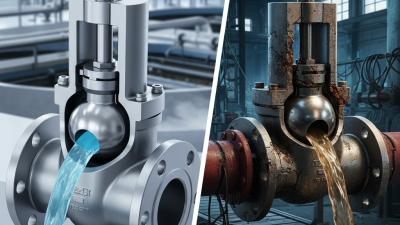
The type of media flowing through the valve cannot be overlooked. Corrosive substances demand materials that resist chemical attack. Inert gases might allow for more flexibility in material choice. Reflecting on these factors can reveal the complexity of valve selection. It's critical to assess long-term implications, not just immediate needs. Rushing this process may lead to costly failures down the line.
How to Choose the Right Ball Valve Body for Your Application?
| Dimension |
Value |
Description |
| Pressure Rating |
150 psi to 6000 psi |
The maximum pressure the valve can handle. |
| Temperature Range |
-20°F to 450°F |
The temperature range for which the valve is suitable. |
| Media Type |
Liquids, Gases, Slurries |
The type of media the valve will control. |
| Body Material |
Stainless Steel, Brass, PVC |
The material from which the valve body is constructed. |
| End Connection Type |
Threaded, Flanged, Welded |
The method used to connect the valve to the piping system. |
Evaluating Ball Valve Sizes: Flow Capacity and Connection Standards
Choosing the right ball valve body for your application involves careful consideration of size and connection standards. Flow capacity is a critical factor to assess. The size of the valve should match the piping system to prevent restrictions. An undersized valve can limit flow, leading to inefficiency. Conversely, an oversized valve may not seal properly.
Connection standards also play a crucial role. Different systems require specific types of connections, such as threaded, flanged, or welded. Ensure the chosen valve aligns with your existing infrastructure. A mismatch can lead to leaks or system failures. It’s vital to evaluate the materials involved. Some materials perform better under high temperatures or corrosive environments.
Take time to analyze your application’s requirements. Many factors influence performance, including pressure ratings and environmental conditions. Reflect on potential future upgrades or changes. Selecting the right valve is not just about the present; consider long-term needs. Balancing these elements can lead to better operational efficiency and safety in your systems.
Common Applications of Ball Valves: Industrial, Residential, and Commercial
Ball valves are essential components in various applications. They are widely used in industrial, residential, and commercial contexts. According to a report by Market Research Future, the global market for ball valves is expected to grow at a CAGR of 6.5% from 2021 to 2027. This highlights their increasing importance across sectors.
In industrial settings, ball valves are ideal for controlling fluids and gases under high pressure. They excel in chemical processing, water treatment, and oil & gas industries. The ability to provide tight seals and flow control is crucial. For residential uses, you may find them in plumbing systems for water supply and heating applications. Their durability and low maintenance needs make them a popular choice. Commercial buildings use ball valves in HVAC systems to enhance energy efficiency.
Tip: Always consider the media type you'll be controlling. Different materials offer varying resistance to chemicals.
Additionally, ball valves come in different designs, like full-port and reduced-port. Full-port valves provide unrestricted flow, while reduced-port valves are more compact. It's important to select the right one for your needs.
Tip: Evaluate the installation space. Some valves may need additional fittings which can complicate installations. Remember that not every valve fits every application perfectly. Consider your specific requirements carefully.
Maintenance Considerations for Ball Valves: Longevity and Performance Optimization
Maintaining ball valves is crucial for optimal performance. Regular inspection ensures they function correctly and last longer. Check for signs of wear or leakage. These issues can lead to significant downtime. Corrosion can also affect ball valve efficiency. Environmental factors play a key role here.
Using the right lubricants is essential. Proper lubrication reduces friction and wear. However, too much lubricant can attract dirt, leading to more problems. Be mindful of the materials used in your valve. Different environments will require different maintenance approaches.
Cleaning ball valves regularly can prevent blockages. Accumulated debris affects flow efficiency. Consider flushing the system periodically. This is often overlooked, yet it's a straightforward solution. Remember, neglect can lead to costly repairs. Regular upkeep allows for better performance and lifespan.