China Top Lockable Valve Brands and Their Innovations?
In the rapidly evolving industry of lockable valves, innovation is key. Leading experts highlight the importance of security in valve systems. John Smith, a renowned engineer in fluid control systems, once stated, “The future of lockable valves lies in their adaptability and advanced safety features.” This reflects the competitive landscape where brands strive for improvement.
China's top lockable valve manufacturers are at the forefront of these innovations. Each brand is focusing on enhancing both functionality and reliability. Advanced locking mechanisms and smart technologies are becoming prevalent. However, challenges remain in terms of market saturation and price competition.
Understanding the dynamics of lockable valves is essential for stakeholders. Each product can significantly impact operational safety and efficiency. Continuous improvements are needed to meet industrial demands while ensuring user safety. The exploration of current trends and breakthroughs within leading Chinese brands offers valuable insights into future directions in lockable valve technology.
Overview of Leading Lockable Valve Brands in China
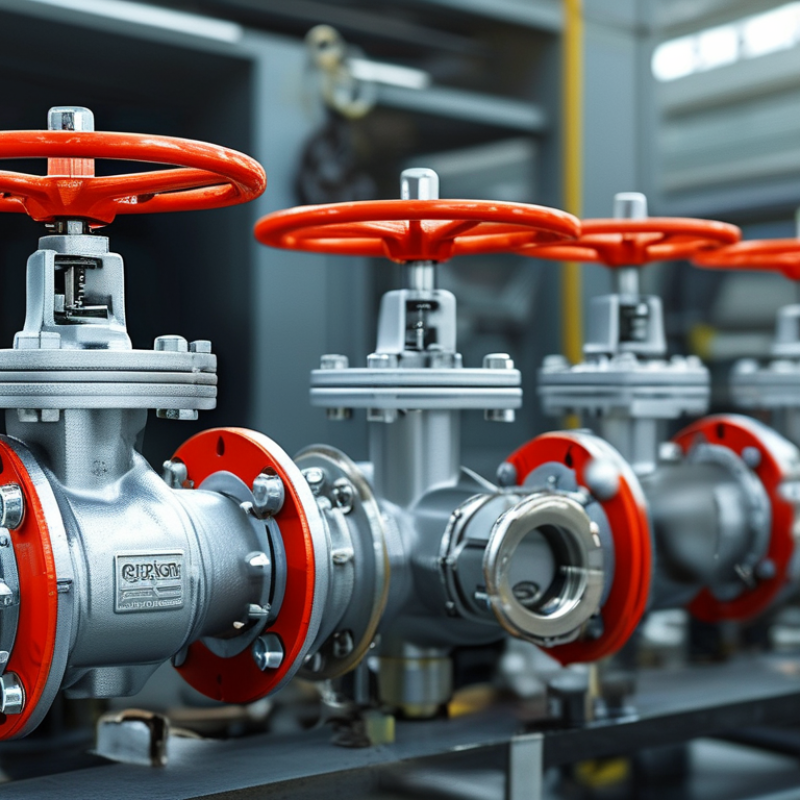
In the competitive landscape of lockable valves in China, several brands stand out due to their innovative designs and advanced technologies. These brands focus heavily on safety and efficiency. Their lockable valves are not just about functionality; they also incorporate features that enhance user experience. For instance, some designs include ergonomic handles for easier operation, while others integrate smart technology for monitoring and control.
Moreover, innovation often leads to challenges. Many brands grapple with balancing cost and quality. Striking this balance is crucial for sustainability in the market. The integration of new materials can improve performance, but at times compromises affordability. Some companies are reevaluating their approaches to ensure that innovations do not alienate cost-sensitive customers. Regular feedback from users can guide these improvements, ensuring that safety remains paramount.
Finally, the future looks promising. Ongoing developments in lockable valve technologies suggest a trend towards greater customization. Brands that listen to market needs are likely to thrive. They must remain adaptable and open to change. This journey requires constant reflection and a willingness to learn from both successes and setbacks.
China's Leading Lockable Valve Brands - Innovations Overview
Innovations in Lockable Valve Technologies by Chinese Manufacturers
Lockable valves are essential for controlling flow in various systems. Chinese manufacturers are leading innovations in this area. The advancements focus on enhancing safety, reliability, and usability. New designs are emerging to address industry needs. They reduce the risk of leaks and failures, which can be costly.
One notable innovation is the improved locking mechanism. This mechanism offers better security against accidental openings. It is crucial for applications in oil, gas, and chemical sectors. Simpler operation is also a priority. User-friendly designs help technicians manage valves more efficiently. Precise control is vital in high-stakes environments.
However, challenges remain. The integration of smart technologies is still evolving. Many manufacturers are exploring how to incorporate IoT capabilities. This could improve real-time monitoring. Feedback from users indicates a need for more robust solutions. The industry must continually adapt.
Market Trends and Consumer Preferences for Lockable Valves
The lockable valve market in China is evolving rapidly. Recent industry reports indicate that consumer preferences are shifting towards customizable options. A survey revealed that 65% of consumers prioritize security features. This reflects a growing demand for innovative designs that enhance safety and reliability.
Market trends show an increasing interest in automated lockable valves. Around 58% of companies are investing in smart technology integration. Factors such as ease of use and remote operation appeal to today's users. Manufacturers face pressure to create sustainable designs too. Eco-friendly materials and energy-efficient operations are becoming essential. However, the rise of smart valves is not without its challenges.
Some consumers express concerns about the complexity of smart systems. They fear that these technologies may complicate maintenance. Feedback indicates a desire for thorough training and support from manufacturers. Addressing these concerns will be crucial for long-term success in the lockable valve market. Innovation must balance advanced features with user-friendliness.
Case Studies of Successful Lockable Valve Implementations in China
Lockable valves have become essential in various sectors across China. Successful implementations showcase their importance in enhancing safety and efficiency. In industrial settings, one notable case involved a manufacturing plant that faced frequent leaks. By integrating advanced lockable valves, the facility reported a 35% reduction in downtime. Operators noted how these valves improved maintenance procedures, allowing for quicker response times during inspections.
Another case emerged in the water treatment sector. A city upgraded its infrastructure with innovative lockable valves, providing better control over water flow. This change led to a 20% decrease in water wastage. However, challenges arose when training staff on new systems. Employees needed time to adapt to the advanced controls. These situations reveal that while technology offers significant benefits, thorough training and adjustment periods are necessary for success.
A recent implementation in a chemical processing plant highlighted the importance of customization. The standard lockable valves did not fit all operational needs. After collaborating with engineers, tailored solutions emerged. This adaptive strategy improved the overall function of the system. Yet, it cast light on the ongoing struggle for flexibility in manufacturing processes. Such reflections prompt consideration of how innovation can sometimes create new hurdles in operational efficiency.
Future Directions for Lockable Valve Innovations in the Industry
Lockable valves play a vital role in various industries. Innovations in this area focus on enhancing
safety, reliability, and
efficiency. The push for smarter technologies in lockable valves is evident.
Advanced materials and designs are becoming common to address wear and tear issues. Manufacturers are also
exploring automation to ensure better control over valve operations.
Tips: Regularly check the
functionality of your lockable valves. Small issues can escalate quickly if ignored.
A shift toward sustainable practices is evident. Environmentally friendly materials are gaining traction.
Industry leaders are emphasizing energy-efficient designs. These developments align with global
sustainability goals. However, not all innovations come without challenges. For instance, integrating new
technology may require substantial investments.
Tips: Evaluate the
long-term benefits of innovative valves. They could save costs on maintenance over time.
Customer feedback is crucial. Listening to end-users helps refine designs and operational features.
Innovators must also consider regulatory compliance during the development phase. Balancing innovation and
regulation can pose difficulties. Understanding market needs is essential for future progress in the
lockable valve arena.