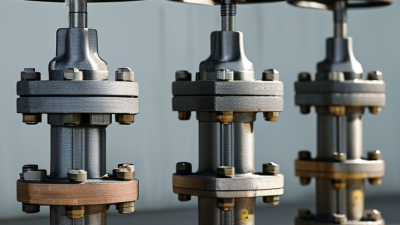
Choosing a Ball Valve Body supplier in 2026 takes more than comparing unit prices. Buyers need to assess materials, machining capability, pressure ratings, and quality records. A forged stainless-steel body may suit one service, while a cast carbon-steel body may fit another. The details matter.
Quality expert W. Edwards Deming said, “Quality is everyone’s responsibility.” His principle applies to supplier selection: reliable performance depends on design, production, inspection, and clear communication. For global buyers, useful evidence includes material certificates, dimensional inspection reports, pressure-test records, and traceability linking each body to its production batch. Ask how suppliers control wall thickness, sealing surfaces, and machining tolerances. Look for specific answers, not polished promises.
This guide examines suppliers through practical criteria: manufacturing experience, product range, export readiness, lead times, and after-sales support. It also considers whether a supplier can explain its process and provide consistent documentation. A catalog can look impressive. It proves little by itself. Even a capable supplier may not fit every project, and stated capacities should be verified before ordering. That part is easy to overlook. The goal is not to name a universal winner, but to help buyers compare options carefully and identify a Ball Valve Body partner suited to their operating conditions.
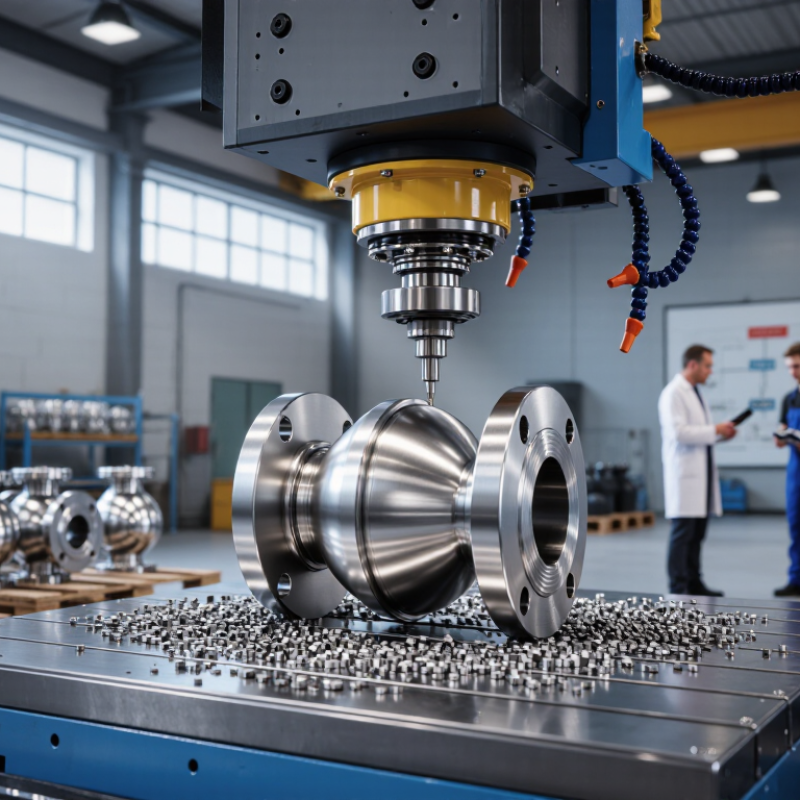
A ball valve body is the pressure-containing shell around the ball, seats, stem, and flow passage. Its shape may be one-piece, two-piece, or three-piece, depending on maintenance needs and design. Inside, the ball must rotate smoothly while the seats maintain reliable contact. The body’s material, wall thickness, and machining quality affect pressure capability, corrosion resistance, and service life. Small deviations matter. A slightly misaligned bore can increase wear or make operation stiff. Yet drawings alone do not reveal every production issue.
A supplier’s role extends beyond making a body to match a drawing. Buyers should ask how the supplier controls casting or forging quality, machining dimensions, and inspection records. For example, check whether critical dimensions are measured with calibrated tools and whether material certificates can be linked to production batches. Ask about pressure testing when it applies to the agreed specification. Clear answers matter. So does prompt notice when a requested tolerance or delivery date looks unrealistic. A supplier may offer useful engineering feedback, but buyers still need to confirm that proposed changes suit the valve’s operating conditions. Samples, inspection reports, and consistent communication help assess capability; no single document proves dependable performance.
Supplier types and verification points for comparing ball valve body sourcing options. Materials and processes vary by design, pressure class, service conditions, and applicable specifications; confirm details for each quotation.
| Supplier role | Typical body scope | Common materials and processes | Best fit for buyers | What to verify |
|---|---|---|---|---|
| Integrated valve manufacturer | Supplies valve bodies as part of complete ball valves; may control design, machining, assembly, and testing. | Depending on design: cast, forged, or bar-stock bodies in carbon steel, stainless steel, or other specified alloys; CNC-machined sealing and connection surfaces. | Projects requiring matched body, ball, seat, stem, and pressure-test documentation from one source. | Confirm the quoted body material, manufacturing route, pressure class, end connections, inspection plan, and applicable product standard. |
| Specialist casting supplier | Produces cast body blanks or machined cast bodies for valve makers and industrial buyers. | Common casting grades include ASTM A216 WCB carbon steel and ASTM A351 CF8M stainless steel, where specified; processes may include sand casting and investment casting. | Buyers needing custom cast shapes, larger body sizes, or a dedicated casting source. | Request material certificates, heat and lot traceability, casting inspection records, dimensional reports, and the agreed non-destructive examination requirements. |
| Forging and machining supplier | Provides forged billets or finished body components, often for designs that specify forged construction. | Forged carbon steel may include ASTM A105 when appropriate to the design and service; stainless and alloy grades depend on the purchase specification. Typical steps include forging, heat treatment, and CNC machining. | Applications where the design calls for forged bodies, compact dimensions, or specific mechanical-property requirements. | Check the specified material grade, heat-treatment condition, mechanical test results, traceability, machining tolerances, and design-code compliance. |
| Contract machining supplier | Machines customer-supplied castings, forgings, or bar stock into finished body components. | Material is determined by the supplied blank and purchase specification; operations can include turning, milling, drilling, threading, and flange-face machining. | Buyers with an approved body design or material source seeking additional machining capacity. | Define the inspection responsibility, drawing revision, datum scheme, dimensional tolerances, surface finish, and controls for protecting material identity. |
| Authorized distributor or sourcing partner | Coordinates procurement of standard or project-specific valve bodies, usually from manufacturing sources. | Available materials, dimensions, and processes depend on the underlying manufacturer and approved product range. | Buyers prioritizing consolidated purchasing, local logistics, or access to multiple product options. | Identify the actual manufacturer, confirm origin and traceability, and establish who is responsible for technical support, warranty, and inspection records. |
| Project or application specialist | Supports body selection and documentation for demanding services such as pipelines, corrosive media, or sour service. | Material selection depends on fluid composition, temperature, pressure, corrosion conditions, and the applicable project specification. | Projects with detailed engineering requirements, qualification steps, or service-specific material restrictions. | Review the service conditions, material compatibility, required qualifications, inspection and test plan, and any sour-service requirements before purchase. |
| Evaluation dimension | Questions to include in a supplier review |
|---|---|
| Design and standards | Which design and product standards apply to the complete valve and body? Depending on product type and project requirements, references may include API 6D, API 608, ISO 17292, and ASME B16.34. Confirm the applicable edition and scope. |
| Material and traceability | Does the material certificate match the purchase specification, and can the body be traced to its heat or production lot? Confirm any additional testing or service-specific restrictions. |
| Dimensions and connections | Are body dimensions, wall sections, bore, face-to-face length, and end connections consistent with the approved drawing and piping specification? |
| Inspection and testing | Which inspections and pressure tests are required, who performs them, and what records are supplied? Agree acceptance criteria and documentation before production. |
| Commercial and delivery capability | Confirm quoted quantities, lead time, packaging, shipping terms, change-control process, warranty terms, and the supplier's ability to support repeat orders. |
Note: This comparison describes supplier roles and common industry practices, not a ranked list or a certification of any individual supplier. Final material and compliance decisions should follow the approved design, service conditions, and project specification.