How to Choose the Right Oil Seal Valve for Your Needs?
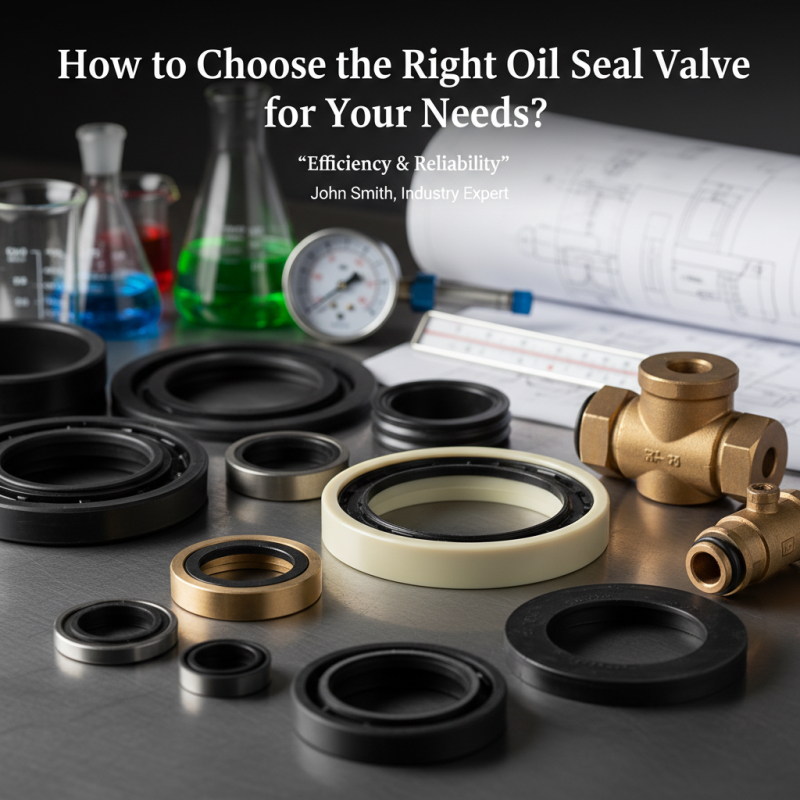
Choosing the right oil seal valve can significantly impact system performance. As industry expert John Smith states, "The right oil seal valve combines efficiency and reliability." Understanding the various factors in selecting an oil seal valve is essential.
Each oil seal valve serves a specific purpose. Material selection plays a critical role. Factors like temperature, pressure, and chemical exposure must be considered. An incompatible valve can lead to leaks and costly downtime.
Moreover, it's important to reflect on the specific requirements of your application. Some applications may need a high-pressure valve, while others may prioritize chemical resistance. Balancing these needs is key to finding the perfect oil seal valve. Each choice carries weight, and discernment is paramount.
Understanding the Functionality of Oil Seal Valves
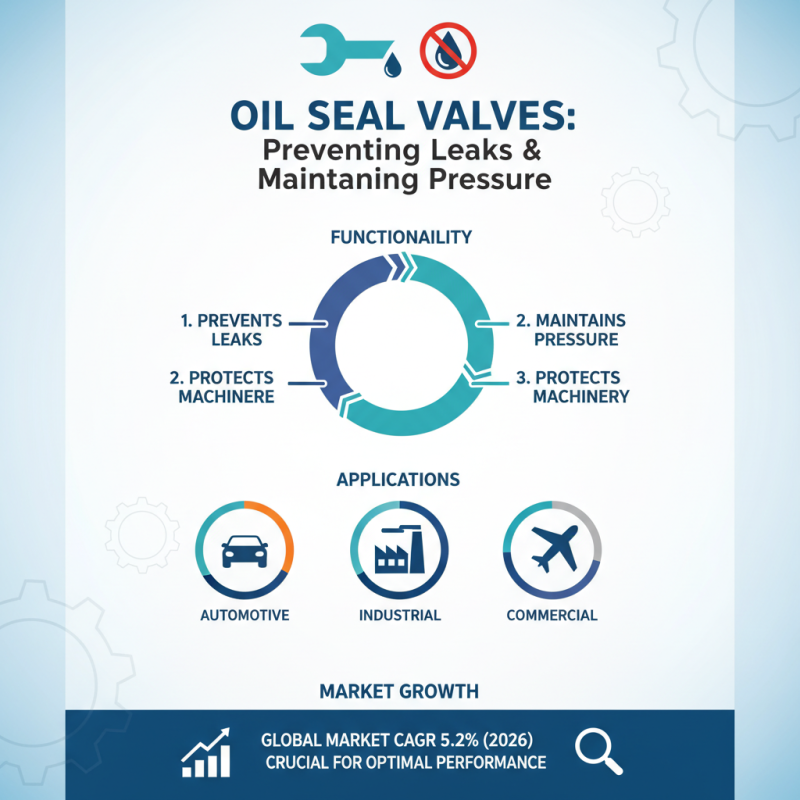
Oil seal valves play a crucial role in various machinery by preventing leaks and maintaining pressure. They are commonly found in automotive, industrial, and commercial applications. According to a report by Research and Markets, the global oil seal market is projected to grow at a CAGR of 5.2% from 2021 to 2026. This growth highlights the increasing importance of selecting the right oil seal valve for specific needs.
Understanding the functionality of oil seal valves is vital. They work by creating a tight seal to contain fluids while allowing moving parts to function smoothly. Damage or degradation can occur from high temperatures, abrasive particles, and improper installation. An industry survey indicated that nearly 35% of machinery failures can be attributed to seal leakage. Therefore, selecting the right valve based on application can significantly enhance performance and lifespan.
Materials, operating conditions, and size are essential considerations. Oil seal valves come in various materials such as rubber, silicone, and metal. Each material has unique properties, influencing its compatibility with different fluids and temperatures. A report from the American Society of Mechanical Engineers emphasizes that improper material choice can lead to premature failure. Evaluating your specific operational environment and required performance can guide you in making an informed selection.
Identifying the Different Types of Oil Seal Valves Available
When choosing an oil seal valve, understanding the different types available is crucial. Oil seal valves can vary significantly in design and function. Common types include spring-loaded, double lip, and mechanical oil seals. Each type serves a unique purpose, influencing performance and longevity. Spring-loaded seals provide flexibility and a tight seal under varying conditions. Double lip seals offer enhanced protection against contamination, ideal for harsh environments.
Material also plays a vital role. Seals are typically made from elastomers, rubber, or thermoplastics. Each material has specific temperature and chemical resistance properties. Choosing the wrong material can lead to premature failure. For instance, rubber may not perform well in extreme temperatures. Pairing the right material with the application needs is essential for reliability.
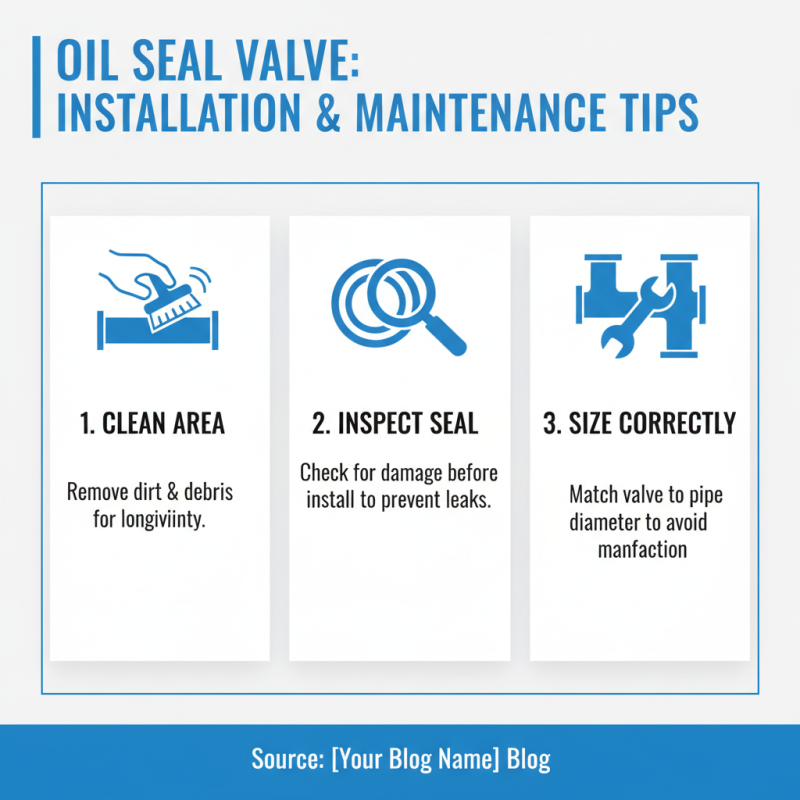
Consider the installation process. Some seals require precise alignment during installation. Improper installation can lead to leaks and seal failure. Don't overlook the potential for human error in this step. Reflection on past mistakes can enhance future decisions. Assessing the working environment and application requirements is key to selecting the right oil seal valve.
Evaluating Material Compatibility for Oil Seal Valves
When selecting an oil seal valve, material compatibility is crucial. Different environments and substances can affect the performance of the seal. For example, exposure to chemicals may degrade certain materials. It's essential to consider the operating conditions. Will the oil seal experience high temperatures or pressures? Understanding these factors helps prevent future leaks.
Rubber compounds, metal, and thermoplastics are common materials. Each has unique properties. Nitrile is often chosen for petroleum oils, while fluorocarbon performs well in high-heat situations. Yet, one might overlook the specific chemical exposure. For instance, a seal that works great with one fluid may fail dramatically with another.
Moreover, environmental factors should not be ignored. Water, humidity, and temperature variations can impact seal integrity. A valve that works optimally in a lab may perform poorly outdoors. It's often easy to assume one material suits all. However, each application is unique. Testing and validation are key. Don't skip these steps, even if they seem tedious.
Choosing the Right Oil Seal Valve - Material Compatibility Evaluation
Assessing Pressure and Temperature Ratings for Your Application
When selecting an oil seal valve, understanding the
pressure and temperature ratings is crucial. These ratings dictate how well the valve will perform in your specific application.
Pressure ratings indicate the maximum pressure the valve can handle without leaking or failing.
Temperature ratings provide insights into the maximum and minimum temperatures that the valve can endure.
Each application has unique requirements, and failing to consider these factors can lead to severe consequences.
Tips: Always consult the manufacturer's guidelines. Each valve type may have different ratings based on material and design.
Seeking advice from a knowledgeable supplier can save you from costly mistakes.
It's important to remember that even small discrepancies in pressure or temperature can lead to premature failure.
For example, using a seal rated for low temperatures in a high-temperature application could result in leaks.
Reflecting on your needs is vital.
Don't rush the decision-making process. Take your time to evaluate all parameters carefully, ensuring the valve matches your operational conditions.
Investing effort at this stage pays off in reliability and performance.