2026 Top Camlock Valve Buying Guide for Global Importers?
Choosing the right Camlock Valve is crucial for global importers. This buying guide aims to simplify that process. Camlock Valves are essential for fluid transfer applications. They ensure secure connections between hoses and tanks. However, many buyers struggle with various options available in the market.
Selecting a Camlock Valve involves understanding specific needs. Different materials, sizes, and compatibility factors can complicate decisions. Importers often overlook critical details, which can lead to inefficiencies. Reliable suppliers are a must. Experience and reputation hold immense value in this industry.
Challenges are common when sourcing Camlock Valves. Ensuring quality and compliance with standards is vital. Often, there might be doubts about the standardization of products. It is wise for importers to reflect on these aspects. An informed decision can prevent costly errors in procurement.
Key Factors to Consider When Buying Camlock Valves Globally
When considering purchasing camlock valves, several key factors come into play. Understanding the intended application is crucial. Different industries have varying requirements for pressure ratings and material compatibility. For instance, a valve in chemical processing may need resistant materials, while one in water management might prioritize corrosion resistance.
Quality assurance is essential for reliability. Look for valves that comply with industry standards. However, not all suppliers provide adequate documentation for their products. This could lead to issues once the valve is in use. Testing for functionality and durability should not be overlooked. Poor oversight can result in costly replacements down the line.
Communication with suppliers is vital. Many importers face challenges due to language barriers or vague specifications. Clear and detailed discussions can prevent misunderstandings. Ask specific questions about product features and performance ratings. Always be prepared for potential discrepancies in shipping times and product availability. This approach reduces risks and promotes smoother transactions.
Different Types of Camlock Valves and Their Applications
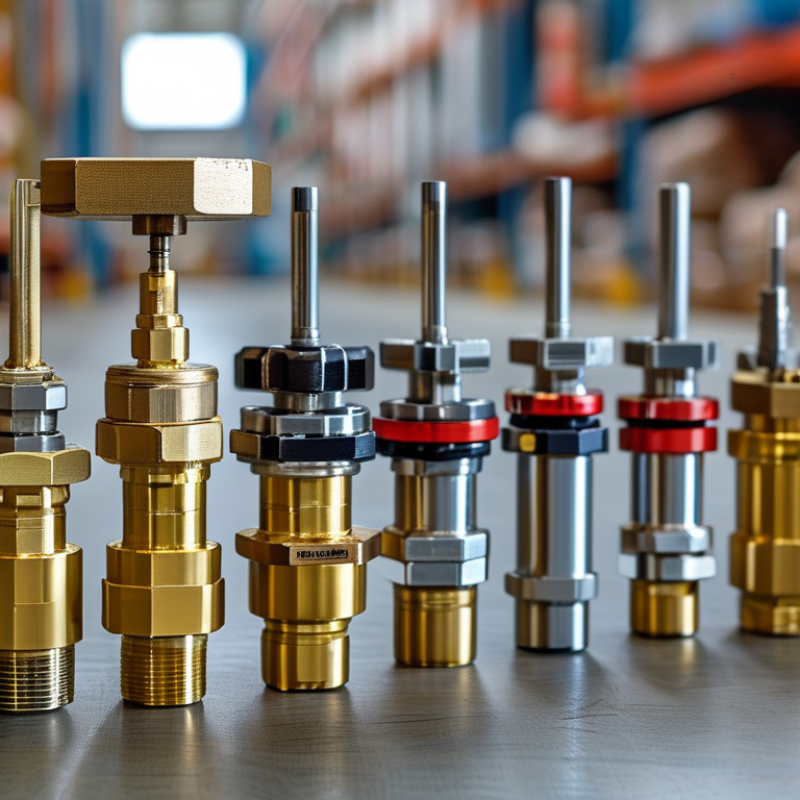
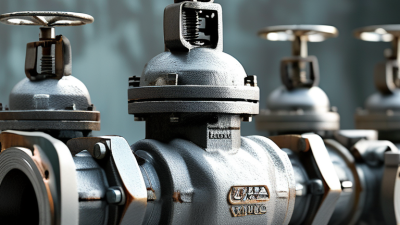
Camlock valves, also known as cam and groove fittings, play a crucial role in fluid transfer applications. Different types of camlock valves cater to various industries. Aluminum camlock valves are lightweight and corrosion-resistant, making them ideal for transporting chemicals. Stainless steel options provide high durability, particularly for food and medical applications.
Plastic camlock valves serve as cost-effective alternatives for less intensive uses. They are easier to handle and install. However, they may not withstand high temperatures or pressures. It’s essential for importers to assess the specific application before selecting a valve type. Consulting with industry professionals can provide valuable insights.
Care should be taken in choosing the right material, as compatibility affects safety and efficiency. While some importers focus solely on price, they might overlook critical factors such as quality and reliability. Remember, the right camlock valve can enhance operational efficiency, whereas the wrong choice may lead to costly mistakes.
Understanding Materials and Standards for Camlock Valves
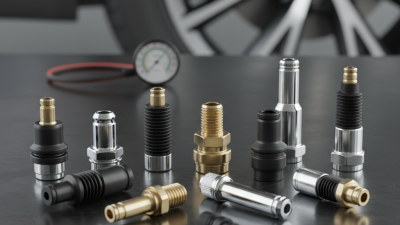
When purchasing camlock valves, understanding materials is essential. These valves are primarily made from aluminum, stainless steel, and plastic. Each material offers unique advantages and limitations. For instance, aluminum provides a lightweight option, while stainless steel offers superior corrosion resistance.
Standards play a critical role in ensuring the quality of camlock valves. Common standards include those set by ASTM and ANSI. Adhering to these standards ensures the valves meet safety and performance requirements. It can be challenging to interpret these specifications, yet this knowledge is vital for reliable products.
Buyers should also consider application needs when selecting materials and standards. Environment conditions, pressure ratings, and compatibility with liquids are crucial factors. An oversight in this area can lead to failures, affecting operations. Seek guidance from industry experts to navigate these complexities and make informed choices.
Evaluating Supplier Credentials and Reliability for Importing
When evaluating supplier credentials, verify their industry experience. Look for suppliers with several years in the camlock valve market. Their longevity often indicates stability and knowledge. A reliable supplier should provide references from previous clients. This builds trust and reassures you about their capabilities.
Consider certifications that affirm quality standards. Check if the supplier complies with relevant industry norms. Additional certifications can demonstrate their commitment to quality. However, be cautious of overly polished documents that may lack substance. Engage with the supplier directly; ask specific questions about their product range and production process. Their responses will reveal their expertise and readiness to meet your needs.
Transparency is essential. Request detailed information on manufacturing practices. A well-organized supplier will openly share their process. If they hesitate, reflect on their reliability. Also, consider their communication style. A responsive supplier is often more dependable. Trust your instincts. If something feels off, investigate further. These steps will help ensure you choose a supplier who aligns with your importing goals.
2026 Top Camlock Valve Buying Guide for Global Importers
| Supplier Location |
Certification |
Lead Time (Days) |
Minimum Order Quantity |
Payment Terms |
Product Range |
| China |
ISO 9001 |
30 |
100 Units |
30% Deposit, 70% Before Shipment |
Brass, Stainless Steel, Aluminum |
| USA |
API, NSF |
45 |
200 Units |
Full Payment on Order |
Plastic, Steel |
| Germany |
DIN, CE |
60 |
150 Units |
Net 30 Days |
Aluminum, Stainless Steel |
| India |
ISO 14001 |
35 |
50 Units |
30% Deposit, Balance on Delivery |
Polypropylene, Brass |
| Italy |
TUV, ISO 9001 |
50 |
100 Units |
Wire Transfer Accepted |
Stainless Steel, PVC |
Tips for Ensuring Compliance with Global Regulations for Camlock Valves
When importing camlock valves, compliance with global regulations is critical. Manufacturers must meet various standards, such as ANSI, ASME, and ISO regulations. These standards ensure product safety and reliability. In 2022, the global market for camlock fittings was valued at approximately $1.2 billion and is expected to grow significantly. This growth signals the increasing need for awareness regarding compliance.
Tips for ensuring compliance include understanding the local regulations in your target market. Each region may have specific certification requirements. Conducting a thorough risk assessment of your product can help identify potential regulatory challenges. Consider investing in compliance training for your team, which can enhance understanding of various standards. This investment may prevent costly mistakes.
Monitoring changes in regulations is essential. Industry standards can evolve based on new safety findings or technological advancements. Utilize resources like industry journals and regulatory websites to stay informed. Engaging with compliance experts can provide valuable insights into navigating the complexities of global regulations. Overall, thorough diligence will facilitate smoother import processes and foster long-term success in the camlock valve market.