Discover the Best Gate Valve Seal Options for 2026?
As we approach 2026, the search for the best gate valve seal options becomes increasingly critical. Industry expert John Carter, a leading engineer with over 20 years of experience, emphasizes, “Selecting the right gate valve seal can prevent costly leaks and ensure system integrity.” This statement underscores the importance of reliable sealing solutions in various applications.
Gate valve seals play a vital role in achieving optimal performance in fluid systems. A high-quality seal minimizes the risk of failure and enhances safety. However, not all seals are created equal. Factors such as material composition, environmental conditions, and compatibility with fluids must be considered. Some manufacturers may overlook these details, leading to subpar results.
Furthermore, the evolving technology in seal materials presents both opportunities and challenges. Innovations such as advanced elastomers are promising, but they come with variables that need testing and validation. If these advancements are not carefully evaluated, companies may face unexpected issues. As we explore different options, a critical approach will aid in identifying seals that truly meet industry demands. Thus, the quest for the best gate valve seal is more than just a choice; it is a commitment to quality and reliability.
Understanding Gate Valves: Definition and Importance in Fluid Control
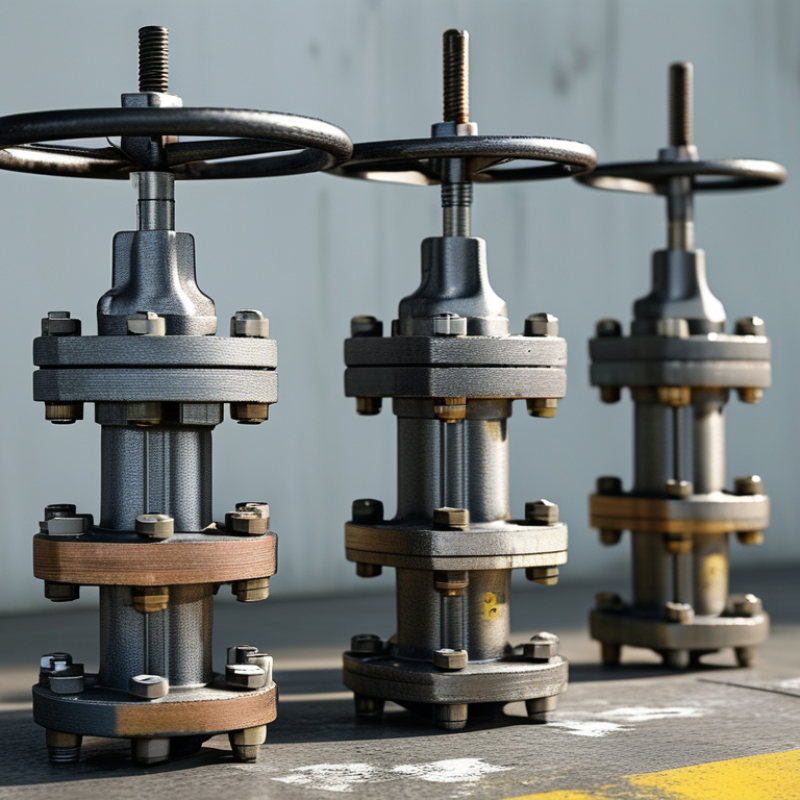
Gate valves play a critical role in fluid control systems, allowing for the efficient regulation of liquid and gas flow. They feature a simple design, typically with a round or squared wedge that moves up and down. This design allows for a full opening or complete closure of the flow path. When used correctly, gate valves minimize pressure drops and turbulence, making them ideal for many applications.
In plumbing, oil, and gas industries, reliability is essential. Gate valves are preferred for on-off flow applications. However, their effectiveness can be compromised by issues such as improper sealing or corrosion over time. These problems can lead to leaks or reduced efficiency, which is why it’s crucial to understand the materials and designs available for sealing.
It's important to reflect on how often gate valves are overlooked during maintenance. This can contribute to larger system failures and safety hazards. Regular inspections can prevent issues before they escalate. Choosing the right seal option, whether rubber, PTFE, or metal, directly impacts the longevity and effectiveness of the valve. A well-chosen seal enhances performance while reducing the chances of failure in demanding environments.
Key Factors Influencing Seal Selection for Gate Valves
When selecting gate valve seals, several critical factors come into play. One significant aspect is the material choice. Different applications require seals made from various materials, such as PTFE, rubber, or metal. According to a report by the Valve Manufacturers Association, 45% of industry failures stem from improper sealing materials. This highlights the importance of aligning the seal's properties with operational demands and conditions.
Pressure and temperature extremes also influence seal selection. The American Society of Mechanical Engineers indicates that seals must withstand varying pressures and temperatures, often beyond standard testing limits. High-pressure environments can lead to seal deformation, while extreme temperatures may reduce elasticity. Engineers must carefully evaluate these factors to prevent leaks and failures.
Finally, installation and maintenance considerations are vital. A recent study revealed that nearly 30% of valve issues arise from improper installation. Clear guidelines and training should accompany seal types to minimize errors. The right level of expertise ensures that installation and maintenance processes are consistently followed, enhancing long-term reliability. The stakes are high when it comes to gate valve seals; understanding these key factors can lead to better choices and improved performance.
Discover the Best Gate Valve Seal Options for 2026 - Key Factors Influencing Seal Selection for Gate Valves
| Seal Material |
Temperature Range (°F) |
Pressure Rating (psi) |
Chemical Compatibility |
Lifespan (Years) |
| NBR (Nitrile Rubber) |
-20 to 180 |
150 |
Oils, Fuels |
5-10 |
| EPDM (Ethylene Propylene Diene Monomer) |
-40 to 300 |
200 |
Water, Steam, Acids |
10-15 |
| PVDF (Polyvinylidene Fluoride) |
-40 to 280 |
150 |
Acids, Solvents |
15-20 |
| Silicone |
-80 to 500 |
150 |
Food Grade, Pharmaceuticals |
5-10 |
| PTFE (Polytetrafluoroethylene) |
-450 to 500 |
300 |
Chemicals, Solvents |
20+ |
Overview of Popular Seal Materials Used in Gate Valves
Gate valves are critical components in various industrial applications. The choice of sealing material significantly affects their performance and longevity. Certain materials stand out in 2026 for their reliability and efficiency. Thermoplastics, such as PTFE (polytetrafluoroethylene), are popular for their chemical resistance and durability. Reports indicate that 40% of gate valve manufacturers prefer them for harsh conditions.
Another contender is Nitrile rubber, valued for its flexibility and resistance to oil. It remains a top choice in the oil and gas sector. Studies show that 30% of valves used in demanding environments utilize this sealing material. While nitrile rubber performs well, it may degrade under extreme heat. This vulnerability is a concern for many operators.
Metal seals are also gaining traction. They offer strength and heat resistance in high-pressure situations. However, maintenance can be challenging, as metal seals are less forgiving to align. User reports indicate that 25% of engineers are reconsidering their application due to installation difficulty. A variety of factors, including temperature fluctuations, influence the effectiveness of these seals. Understanding these nuances is crucial for selecting the right materials.
Evaluating Performance: Durability and Leakage Resistance of Seals
When evaluating gate valve seals for 2026, focus on durability and leakage resistance. The right seal can significantly impact the performance of a gate valve. Seals made from high-quality materials, like elastomers, can enhance longevity. However, not all materials perform equally under different conditions. Environmental factors can lead to premature failure.
Another critical aspect is leakage resistance. A well-designed seal can minimize fluid loss, which is vital for both efficiency and safety. Testing seal designs in real-world scenarios can reveal their true capabilities. It’s important to note that some seals may appear perfect but still leak under specific pressures and temperatures.
Tips: Always check for compatibility with your system's specifications. Consider environmental conditions that may affect seal wear. Regular maintenance can help identify early signs of failure. Testing your seals in various conditions can help predict their performance better.
Future Trends in Gate Valve Seal Technology for Optimal Performance
As we approach 2026, gate valve seal technology is evolving rapidly. Engineers are exploring innovative materials that enhance durability and efficiency. New composites and elastomers show promise in extreme temperatures. These advancements can reduce wear and tear, leading to longer lifespans for valves.
The shift towards sustainable practices is also notable. Manufacturers are focusing on eco-friendly materials that minimize environmental impact. This shift invites a critical evaluation of existing seal designs. Are they as efficient as they should be? The pressure for improved performance urges engineers to rethink traditional approaches. Future designs may integrate smart technology. Such innovations could monitor seal conditions in real-time, preventing failures before they occur.
However, not every development is flawless. There have been challenges in adapting these technologies for all applications. Sometimes, the cost of advanced materials outweighs their benefits. It’s crucial to ask: are we compromising reliability for innovation? Continuous improvement must balance performance with practicality.