Leave Your Message

2026 Top Union Valve Suppliers for Global Buyers

Selecting reliable Union Valves suppliers requires more than comparing catalog prices or polished websites. Global buyers need verified manufacturing experience, stable quality systems, and clear technical communication.

This 2026 guide examines leading suppliers through practical purchasing criteria. These include valve design capability, material traceability, pressure testing, dimensional consistency, and documented inspection procedures. It also considers stainless steel grades, connection accuracy, sealing performance, and compatibility with process media. A supplier may offer attractive pricing, yet weak traceability can create costly problems during installation or maintenance. That detail matters.

Real purchasing decisions also depend on production capacity, minimum order quantities, export experience, and realistic lead times. Reliable suppliers should provide drawings, test records, certificates, and responsive after-sales support. Buyers should verify claims independently, especially when a supplier presents broad industry coverage without specific project evidence. Marketing language is not proof.

The companies discussed here are assessed from a buyer’s perspective, not merely ranked by visibility. Their strengths may differ across sanitary processing, industrial pipelines, water systems, or specialized equipment. No supplier is perfect. Even experienced manufacturers can face material shortages, communication delays, or inconsistent documentation during busy periods. Buyers should request samples, confirm applicable standards, and review inspection responsibilities before placing substantial orders. A careful comparison can reduce leakage risks, installation rework, and unexpected replacement costs. This guide aims to support informed sourcing decisions with practical, transparent, and technically grounded information.
2026 Top Union Valve Suppliers for Global Buyers

What Union Valves Are and Why Global Buyers Need Them

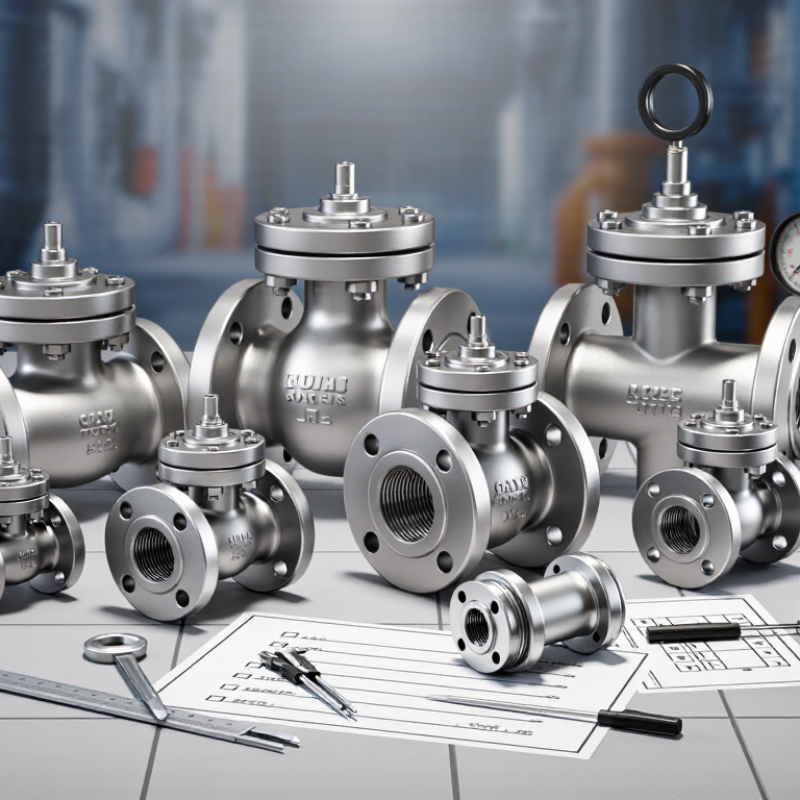
Union valves combine shutoff control with removable union connections. A union joint lets technicians disconnect the valve without rotating connected pipes. This matters in compact systems where a wrench has little working space.

Many union valves use threaded, socket-weld, or clamped ends. Ball designs are common because they open quickly and create a clear flow path. During maintenance, the union nut can be loosened, and the valve body can be removed. Less pipe disturbance usually means less downtime. It sounds simple.

Global buyers need these valves in water treatment, food processing, chemical handling, and equipment skids. Each application demands careful material selection. Stainless steel may suit corrosive fluids, while reinforced polymers can reduce weight in compatible services. Seal materials also require attention. Temperature, pressure, fluid chemistry, and cleaning methods can change performance.

From practical sourcing experience, buyers should request pressure ratings, dimensional drawings, inspection records, and batch traceability. Connection standards must match the installation site. A metric thread is not automatically compatible with an imperial system. Small errors create expensive delays. Suppliers should explain testing methods, packaging protection, and replacement seal availability. No selection is perfect. I have seen projects focus on purchase price, then struggle with unavailable spare parts. A reliable evaluation also checks technical communication, production consistency, and after-sales support before placing a large order.

Key Union Valve Types, Materials, and Connection Standards

Union valves simplify maintenance by separating pipe sections without rotating long, fixed assemblies. Common types include union ball, gate, check, and diaphragm valves. Ball unions suit quick isolation. Check unions help prevent reverse flow. Diaphragm designs handle corrosive or hygienic fluids with fewer crevices.

Material selection must match the fluid, temperature, and pressure. PVC and CPVC work well in many water and chemical systems. Polypropylene resists several aggressive fluids. Stainless steel supports higher temperatures and demanding industrial service. Brass remains practical for clean water and moderate pressure. Seals matter too. EPDM suits water and many mild chemicals, while PTFE offers broader chemical resistance. FKM can perform well with oils, but compatibility still requires verification.

Connection standards often create costly mistakes. NPT threads use a tapered profile, while BSP threads follow different dimensions and angles. ISO and DIN specifications may define metric interfaces, face dimensions, or pressure classes. ASME requirements can guide industrial piping design. Never judge compatibility by diameter alone. Check thread form, nominal size, pressure rating, and gasket design. A field check should include wall thickness, valve orientation, and available wrench clearance. Small details matter.

Supplier reliability depends on traceable material certificates, pressure-test records, and consistent dimensional inspection. Ask for sample drawings before approving large orders. One overlooked issue remains common: a valve may meet the stated standard but fail the actual operating cycle. Test torque, seal performance, and temperature limits under realistic conditions. Specifications are useful, but they are not perfect.

How to Evaluate Union Valve Suppliers for International Purchasing

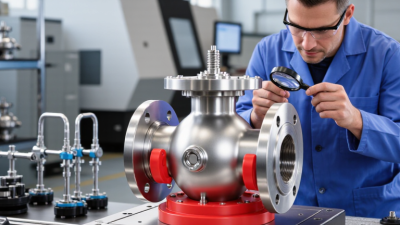
For international buyers in 2026, evaluating union valve suppliers requires more than comparing unit prices. Start with the valve’s service conditions: medium, pressure, temperature, connection size, and installation environment. A professional supplier should explain material selection clearly, including stainless steel grade, sealing material, and corrosion resistance. Ask for dimensional drawings before approval. Small errors can delay an entire shipment.

Ask for evidence. Request test reports, inspection records, material certificates, and traceability documents for each production batch. Confirm whether the supplier controls machining, assembly, pressure testing, and final inspection internally. Factory photographs can help, but they are not enough. A live video inspection or independent audit provides stronger evidence. Still, no audit is flawless. I have seen polished samples hide inconsistent packaging and weak documentation.

International purchasing also depends on communication discipline. Check how quickly the supplier answers technical questions and handles drawing revisions. Clarify minimum order quantities, sample charges, production lead times, packaging methods, and replacement procedures. A reliable supplier should provide a realistic schedule, not an attractive promise. Verify export experience through shipment records or customer references, while protecting confidential information. Before placing a large order, test a small batch under actual operating conditions. Measure leakage, thread fit, handle movement, and sealing performance after repeated use. Cheap valves can become expensive when installation crews must rework them.

2026 Comparison Factors: Quality, Certifications, Capacity, and Pricing

2026 Top Union Valve Suppliers for Global Buyers

Quality, certifications, capacity, and pricing should be compared together. Grand View Research valued the global industrial valves market at over USD 78 billion in 2023. This scale increases supplier choice, but it also increases quality variation. Buyers should inspect pressure-test records, heat numbers, material certificates, and surface-finish reports. A valve may look perfect on a bench. Its traceability may still be weak.

Certifications provide stronger evidence when matched to the application. ISO 9001 supports controlled production, while API 6D and ASME B16.34 address demanding pipeline and pressure-boundary requirements. EN 10204 3.1 certificates can connect each body and trim component to its material source. The International Organization for Standardization reports more than one million ISO 9001 certificates worldwide. Certification alone proves little. Buyers should verify scope, expiry dates, and audit findings.

Capacity must include tested output, not only factory floor size. Ask for monthly production figures, inspection bottlenecks, spare-part availability, and realistic lead times. Industry reports often forecast steady valve-market growth near five percent annually, increasing pressure on delivery schedules.
Pricing deserves a total-cost view. Compare unit price, testing fees, packaging, freight, maintenance, and failure exposure. A cheaper valve can become expensive after one shutdown.

I would not trust an unusually low quotation without reviewing its exclusions. That caution can slow procurement, but it protects reliability.

Ordering, Inspecting, and Managing Union Valve Imports Worldwide

Ordering union valves for global projects starts with a precise specification sheet. State nominal size, connection type, body material, seal material, pressure rating, temperature range, and fluid service. Include the required thread standard, because “compatible” can hide costly mismatches. Ask suppliers for drawings, test procedures, lead time, and a sample identification plate. A clear purchase order should list every revision. Small omissions become large delays.

During inspection, match markings against the order and packing list. Check the union nut by hand for smooth engagement, then inspect threads under bright light. Look for burrs, cracks, coating damage, and distorted sealing faces. Record dimensions with calibrated tools. Request pressure-test records tied to heat numbers or batch records. For larger shipments, use an independent inspector before loading. Photos help, but they do not replace physical checks. A recurring field lesson is simple: paperwork may look complete while one seal material is wrong. That mistake was avoidable.

Import management continues after dispatch. Confirm packaging protects threads from impact and moisture. Verify carton labels, quantities, gross weight, and shipping documents before release. Track production milestones, not only the final vessel date. Keep a receiving checklist for warehouse staff. It should cover storage temperature, lubrication limits, and quarantine procedures for damaged units. Currency changes, port congestion, and specification revisions can disrupt a sound plan. Leave time for reinspection. Perfect forecasts are rare.

2026 Top Union Valve Suppliers for Global Buyers - Ordering, Inspecting, and Managing Union Valve Imports Worldwide

Comparative sourcing and import-management data for union-end valves. Lead times and commercial values are typical planning ranges and should be confirmed in the purchase contract.
Supplier Category Typical Valve Type Nominal Size Range Common End Connection Typical Body Materials Typical Pressure Rating Typical Service Temperature Relevant Standards Documents to Request Key Inspection Checks Typical Production Lead Time Import Management Notes
Industrial process valve manufacturer Two-piece or three-piece ball valve with union ends DN15–DN100 / NPS 1/2–4 Threaded, socket-weld, or sanitary clamp union Stainless steel, carbon steel, ductile iron Class 150–600; PN16–PN40 Approximately −29°C to 180°C, depending on seat material ASME B16.34; API 608; ISO 17292; ASME B1.20.1 for NPT threads Material certificates, pressure-test report, dimensional drawing, packing list Body and seat leakage test, thread gauge verification, wall thickness, marking 4–8 weeks for standard designs Confirm thread standard, seat compound, actuator interface, and country-of-origin documents before shipment
Sanitary fluid-equipment manufacturer Sanitary diaphragm or ball valve with union connection DN15–DN100 / 1/2–4 in Tri-clamp, hygienic union, or butt weld 316L stainless steel; PTFE, EPDM, or FKM seals Generally PN10–PN16 for sanitary service Approximately 0°C to 150°C, dependent on elastomer and cleaning cycle ASME BPE; ISO 2852; 3-A sanitary requirements where applicable Surface-finish report, elastomer declaration, weld records, cleaning compatibility statement Internal surface roughness, weld quality, dead-leg design, clamp fit, seal dimensions 5–10 weeks Specify hygienic surface finish, cleaning-in-place conditions, and documentation language
Chemical-service valve manufacturer Lined ball valve or corrosion-resistant union valve DN15–DN150 / NPS 1/2–6 Flanged, threaded, or socket-weld union ends PTFE-lined steel, alloy steel, 316 stainless steel Class 150–300; PN10–PN25 Approximately −20°C to 150°C, subject to lining and media ASME B16.34; EN 12516; ISO 5208 for leakage testing Chemical compatibility chart, lining certificate, pressure-test report, inspection plan Lining continuity, flange dimensions, seat leakage, coating thickness, material traceability 6–12 weeks Provide exact fluid concentration, operating temperature, pressure, and solids content
Oil and gas service manufacturer Forged or cast ball valve with union-style maintenance connection DN15–DN300 / NPS 1/2–12 Flanged, butt-weld, or threaded Carbon steel, low-temperature carbon steel, stainless steel Class 150–1500 Approximately −46°C to 200°C, depending on design and trim API 6D; ASME B16.34; ISO 15848 for fugitive emissions where specified NDE reports, heat-treatment records, MTRs, pressure-test records, fugitive-emission report Positive material identification, radiography or ultrasonic testing, shell and seat tests 10–20 weeks Use an approved inspection and test plan; verify export-control, packing, and preservation requirements
Water and utility valve manufacturer Resilient-seated ball or gate valve with union ends DN25–DN300 / NPS 1–12 Flanged, grooved, threaded, or compression union Ductile iron, brass, bronze, stainless steel PN10–PN25; Class 125–250 Approximately 0°C to 80°C for general water service EN 1074; EN 1092; AWWA requirements where specified Coating certificate, potable-water compliance declaration, test report, dimensional drawing Coating thickness, operating torque, flange drilling, hydrostatic leakage, corrosion protection 4–8 weeks Check local drinking-water approvals, customs tariff classification, and pallet-treatment rules
HVAC and building-services supplier Brass ball valve with threaded union connection DN15–DN50 / NPS 1/2–2 BSP or NPT threaded union Brass, dezincification-resistant brass, stainless steel PN16–PN40; Class 150–300 Approximately −10°C to 120°C ISO 228-1 for pipe threads; EN 12165 for copper-alloy forgings Thread specification, material declaration, pressure-test report, installation instructions Thread compatibility, body markings, handle operation, leakage, plating quality 3–6 weeks Never treat BSP and NPT as interchangeable; confirm male and female thread details on every line item
Low-temperature or cryogenic valve manufacturer Extended-stem ball valve with union or welded ends DN15–DN150 / NPS 1/2–6 Butt-weld, socket-weld, or flanged Austenitic stainless steel; low-temperature carbon steel Class 150–600; PN16–PN40 Approximately −196°C to 80°C, subject to qualification BS 6364; ASME B16.34; ISO 21011 where applicable Cryogenic test report, material certificates, vacuum-jacket details, cleaning certificate Low-temperature leakage, stem extension, oxygen cleanliness where required, weld quality 12–24 weeks Define cryogenic medium, minimum design temperature, cleanliness level, and preservation method
Instrumentation valve manufacturer Compact needle, ball, or manifold valve with union fittings Tube sizes 6–25 mm / 1/4–1 in Compression tube fitting, threaded, or welded 316 stainless steel, alloy steel, brass Up to approximately 6000 psi for selected designs Approximately −54°C to 200°C, depending on seal and material ASME B16.34; ASME B1.20.1; ISO 1179 where applicable Pressure rating sheet, calibration or test records, material certificates, fitting specifications Tube-grip integrity, port dimensions, leakage at rated pressure, thread and fitting inspection 4–10 weeks Control packaging to prevent contamination; identify metric and imperial components separately
Private-label and contract manufacturing supplier Configurable union ball valve or gate valve DN15–DN200 / NPS 1/2–8 Threaded, flanged, welded, or grooved Brass, ductile iron, carbon steel, stainless steel PN10–PN40; Class 150–600 Approximately −29°C to 180°C, design dependent ASME B16.34; EN 12516; ISO 5208; ISO 9001 quality systems Approved drawing, quality plan, inspection report, barcode or marking artwork, packaging specification First-article inspection, production sample approval, random sampling, marking and packaging audit 8–16 weeks for new tooling or custom marking Approve drawings and samples before mass production; define ownership of tooling and technical files
Regional stock and distribution supplier Standard brass, stainless-steel, or carbon-steel union valve DN15–DN100 / NPS 1/2–4 Threaded, flanged, or grooved Brass, stainless steel, carbon steel, ductile iron PN16–PN40; Class 150–300 Approximately −20°C to 150°C Product-specific EN, ASME, API, or ISO requirements Certificate of conformity, available test report, origin statement, commercial invoice, packing list Random dimensional check, visible damage, quantity, thread type, pressure-rating marking In-stock: 1–3 weeks; replenishment: 6–12 weeks Best for urgent orders; verify actual stock, batch traceability, warranty terms, and replacement availability
Buyer control points: Confirm nominal size, pressure class, media compatibility, temperature range, connection standard, material grade, inspection level, required certificates, Incoterms, packaging, and destination-country compliance before issuing a purchase order.