How to Choose the Right Union Valves for Your Projects?
Selecting the right Union Valves for your projects is crucial for their efficiency and safety. According to a recent industry report by the Valve Manufacturers Association, improper valve choices can lead to significant leaks and increase operational costs by upwards of 30%. This statistic highlights the importance of making informed decisions when it comes to Union Valves.
Expert in valve engineering, Dr. James Reynolds, emphasizes, “Choosing the right valve isn't just technical; it affects the entire system's reliability.” His insight underscores the necessity of understanding specific project needs before selecting Union Valves. Different projects require unique specifications, which may seem daunting.
There are various factors to consider. While some may focus solely on cost, others may overlook compatibility with existing systems. Finding a balance is essential for project success. Union Valves play a pivotal role in many industries, from oil and gas to water treatment. A wrong choice could lead to costly setbacks, urging professionals to reflect on their selection processes.
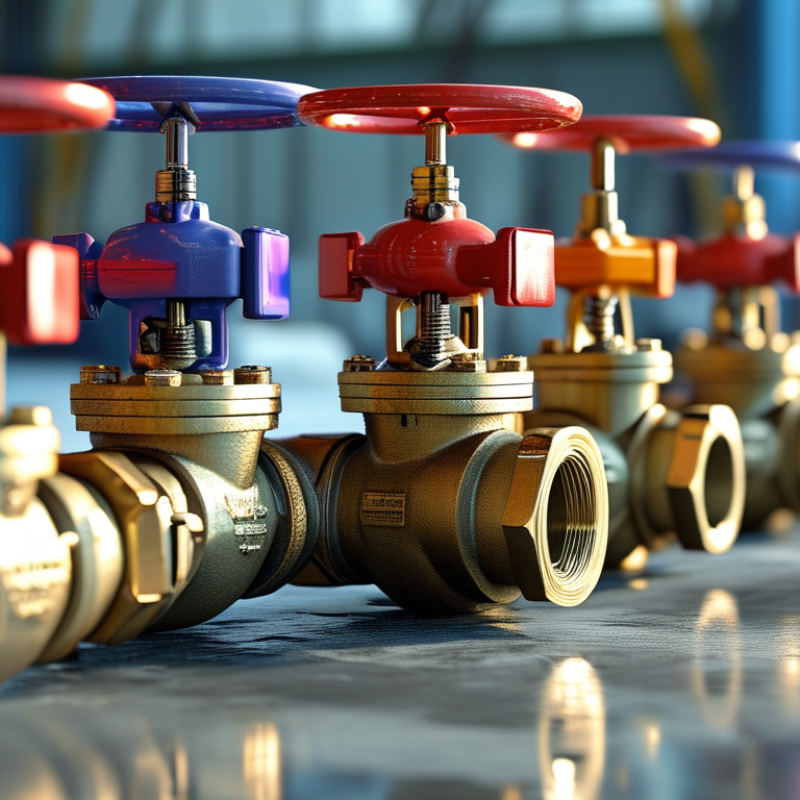
Understanding the Different Types of Union Valves and Their Applications
When selecting union valves for your projects, it’s crucial to understand their types and applications.
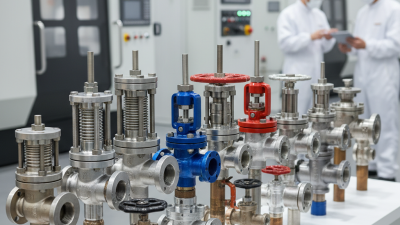
Union valves come in several designs, each serving unique purposes. The most common types include threaded, socket weld, and flanged unions.
Threaded unions are widely used in plumbing and gas applications. They allow easy disassembly without needing special tools.
In contrast, socket weld unions are typically found in piping systems where space is tight. They offer stronger joints and are common in high-pressure applications.
Lastly, flanged unions are ideal for larger pipelines. They provide robust connections that can handle heavy loads.
Each type has its benefits, but also limitations. For instance, threaded unions may not suit high-pressure settings.
Socket welds require careful installation to avoid leaks. Flanged unions can be bulky and more expensive.
Assessing the specific needs of your project helps in making informed choices.
Key Considerations: Size, Pressure Ratings, and Materials for Union Valves
Choosing the right union valves is critical for project success. When selecting, size matters significantly. A valve too large or small can disrupt flow. The ideal size ensures minimal pressure drop. According to the American Society of Mechanical Engineers (ASME), proper sizing can lead to a 15% efficiency improvement in fluid systems.
Pressure ratings also demand attention. Union valves are rated for various pressure levels. Using a valve beyond its rated pressure can lead to failure. Studies reveal that 30% of system failures are linked to inadequate pressure ratings. This statistic underscores the importance of aligning valve specifications with expected pressures.
Material selection further complicates the decision-making process. Different materials offer varying resistance to corrosion and temperature. For instance, stainless steel valves can endure harsher conditions than brass ones. A National Institute of Standards and Technology (NIST) report indicates that incorrect material choice can result in significant maintenance costs. Each project requires careful consideration, reflecting the complexity of specifications.
Evaluating Industry Standards and Certifications for Union Valves
When selecting union valves for your projects, understanding industry standards and certifications is essential. Valves are critical components in fluid systems, and their reliability hinges on compliance with industry regulations. The American Society of Mechanical Engineers (ASME) and the American National Standards Institute (ANSI) set crucial guidelines. Reports indicate that adherence to these standards reduces the likelihood of valve failure and improves operational efficiency.
For instance, a recent survey found that 75% of companies reported decreased maintenance costs when using certified valves. This statistic underscores the importance of evaluating certifications. Look for valves that meet relevant standards, ensuring they are suitable for your specific applications. Assessing certifications from recognized organizations builds trust in their performance.
Tip: Always request documentation proving compliance with industry standards.
Another critical factor is material selection, as it directly impacts durability. Different applications require different materials. A report from the Valve Manufacturers Association indicates that stainless steel valves are preferred in corrosive environments. This detail can help you make informed decisions about longevity and performance.
Tip: Regularly review and update your knowledge of standards; they evolve over time.
Incorporate feedback from users in similar projects. Reflect on past choices to improve your selection process. Understanding industry standards not only helps in choosing the right union valves but also in enhancing overall project efficacy.
How to Choose the Right Union Valves for Your Projects? - Evaluating Industry Standards and Certifications for Union Valves
| Parameter |
Description |
Industry Standard/Certification |
| Material |
Type of material used in valve construction, affects durability and application |
ASTM, ASME |
| Pressure Rating |
Maximum allowable pressure for safe operation |
ANSI, ISO 5208 |
| Temperature Range |
Operating temperature limits for materials and seals |
ASME B16.34 |
| End Connections |
Types of connections for installation (e.g., threaded, flanged) |
ANSI B16.5 |
| Certification |
Third-party verification of manufacturing standards |
API 598, CE Marking |
Cost-Benefit Analysis: Choosing the Right Union Valves for Your Budget
When selecting union valves, cost considerations play a vital role. Union valves are essential in piping systems. They facilitate maintenance and repairs without needing extensive disassembly. Investing in the right type saves both time and money. A report by the American Society of Mechanical Engineers indicates that improper valve selection can lead to increased operational costs by up to 30%.
Understanding the specifics of your project allows for more informed choices. It is important to evaluate the long-term benefits of union valves versus initial costs. For example, plastic union valves might be cheaper upfront, but their lifespan can be shorter compared to metal valves. This decision could result in more frequent replacements, highlighting the need for a thorough cost-benefit analysis. Ensuring the chosen valves match industry standards is crucial for reliability.
Ultimately, prioritizing quality can prevent future issues. Projects with lower quality components often face higher maintenance costs. High-quality union valves seem expensive initially but often pay off over time. Balancing immediate financial limitations with long-term value should guide you in your decision-making process. Investing in reliable solutions can create significant savings in the future, supported by data-driven evaluations and expert recommendations.
Maintenance and Longevity: Selecting Union Valves for Durability and Performance
Selecting union valves for durability and performance requires careful consideration of various factors. Reliable data shows that valves can account for up to 25% of maintenance costs in industrial applications. This highlights the need for quality and longevity in your choice of union valves.
Materials play a crucial role in valve durability. Stainless steel is often preferred due to its corrosion resistance. However, it can be more expensive than alternatives like PVC. Consider the operating environment: temperature extremes or exposure to harsh chemicals can significantly impact performance. A detailed study found that improper material selection led to a 30% increase in failure rates.
It’s essential to evaluate the specifications. Look for valves that can withstand high pressure without leaking. Additionally, leakage rates in poorly designed valves can reach 5-15%, negatively impacting efficiency. Regular maintenance can extend valve life, yet many systems neglect this aspect. According to statistics, routine inspections can reduce downtime by 20%. This indicates that while you can choose a durable valve, it is equally important to maintain it properly for sustainable performance.
Union Valves Selection: Durability and Performance
This chart illustrates the average lifespan in years of different types of union valves, highlighting their durability and performance in various applications.