Leave Your Message

Why Choose a Threaded Bonnet for Industrial Valves?

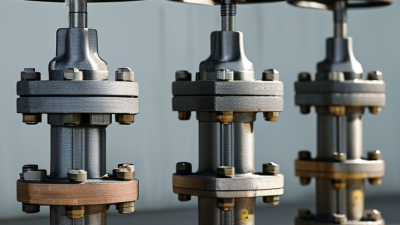
A Threaded Bonnet can make an industrial valve easier to inspect and service. Its bonnet screws into the valve body, creating a compact joint without bolted flange hardware. In a crowded pipe rack, that can mean fewer parts to remove during routine maintenance. It is a practical detail, not a shortcut around sound engineering.

The connection also has limits. Pressure, temperature, fluid compatibility, vibration, and maintenance access all matter. Threads must be correctly specified and assembled, while sealing arrangements need to suit the service. A small leak can still cause downtime. So can a bonnet that is difficult to reach. The right choice depends on the valve design and operating conditions.

A named expert quotation should not be invented. No source was provided to verify an industry specialist’s words, so this introduction does not present a fabricated quote as genuine. A sourced quotation can be added once an expert and original reference are confirmed. That detail matters. Trust is built on evidence, not a convincing name.

For engineers and maintenance teams, the useful question is direct: does a Threaded Bonnet meet the application’s requirements and support safe, practical servicing? Review the manufacturer’s specifications and approved installation guidance before selection. It is worth asking one more question, too: will the joint remain accessible after the surrounding equipment is installed? A good design should work on the drawing and at the valve.
Why Choose a Threaded Bonnet for Industrial Valves?

Definition and Components of a Threaded Bonnet

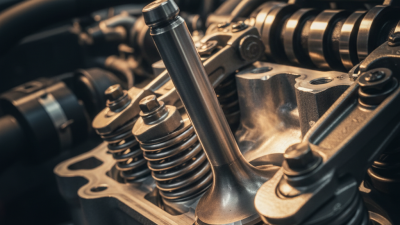
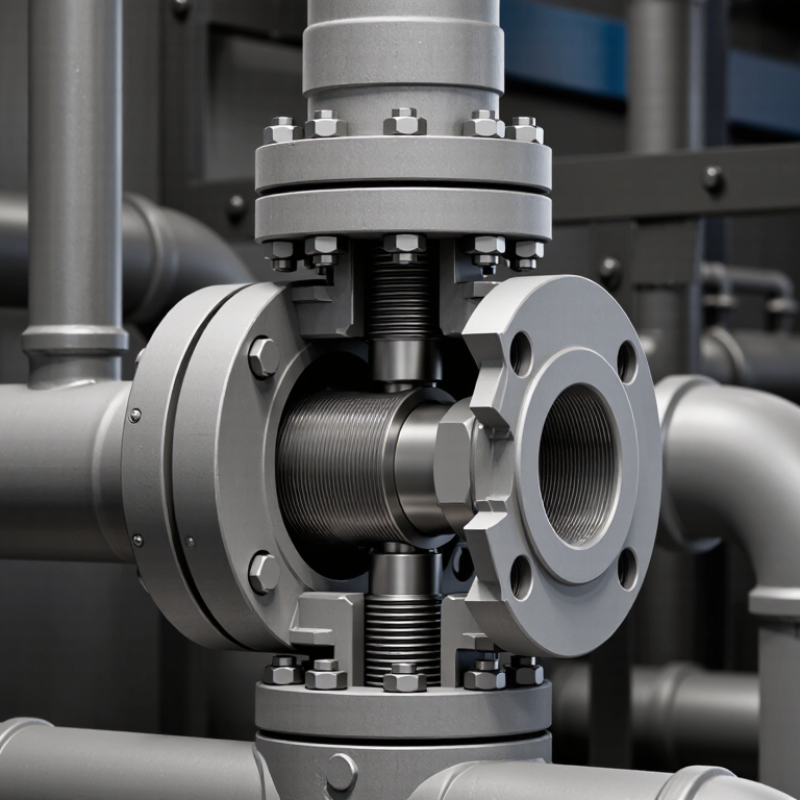
A threaded bonnet is the valve’s removable upper closure, connected to the body by matching threads. It encloses the stem opening and helps contain pressure. The joint may use a gasket or other sealing arrangement, depending on the valve design. Inside, the stem passes through packing, which limits leakage around its movement. The bonnet also guides and supports the stem as the handwheel or actuator operates the valve. Small parts matter.

The main components are the valve body, bonnet, threaded joint, stem, packing, and sealing elements. Some designs include a separate gland and gland follower to compress the packing. ASME B16.34-2020 covers pressure-temperature ratings, materials, dimensions, and testing for specified valve types. Its commonly used pressure classes include 150 300 600 900 1500 and 2500. These class numbers are not direct pressure values; allowable pressure depends on material and temperature. Check the applicable rating for the exact valve.

A threaded connection can make bonnet removal straightforward during inspection, especially where space is limited. But threads need careful inspection for corrosion, wear, or damage before reassembly. Thermal cycling and vibration can also affect joint integrity. It is not foolproof. A small nick on the sealing surface may matter more than expected. Confirm the manufacturer’s assembly procedure and the relevant standard before installation or maintenance.

How Threaded Bonnet Connections Secure a Valve

A threaded bonnet secures the valve’s upper assembly by engaging external threads on the bonnet with matching threads in the valve body. The connection is compact and keeps the bonnet aligned during operation. When pressure acts inside the valve, it creates a force that can push the bonnet outward. Properly engaged threads transfer that load into the body. A short connection can still be strong, but only when its dimensions and materials suit the valve’s service conditions.

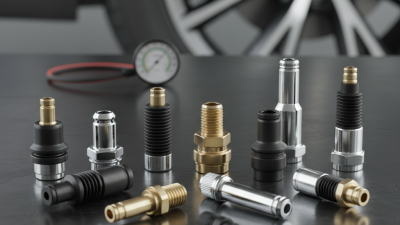
Threads hold the parts together; they do not necessarily seal the fluid. Many designs rely on a gasket or another specified sealing surface between the bonnet and body. During assembly, technicians should check for damaged threads, remove grit, and follow the specified tightening procedure. Cross-threading can leave a joint looking secure while reducing engagement. Too much tightening can also damage the threads or sealing surfaces. Small details matter.

Temperature changes, vibration, corrosion, and repeated maintenance can affect the connection over time. A useful inspection looks for leakage, looseness, corrosion, and signs of thread damage—not just a clean exterior. It is tempting to assume that more tightening means more security. That assumption is not always sound. The valve’s design requirements and service conditions should guide assembly and inspection.

Valve Types and Conditions Suited to Threaded Bonnets

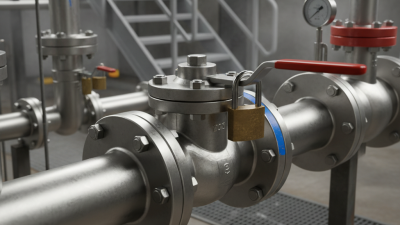
Threaded bonnets are commonly found on compact gate, globe, and needle valves, especially in smaller pipe sizes. Their screw-connected bonnet can make inspection or packing replacement more straightforward when the valve is accessible. This suits utility lines, instrument connections, and maintenance areas where frequent removal is useful. The arrangement is practical, not universal.

Operating conditions matter. Threaded joints are generally better suited to services within the valve’s specified pressure and temperature limits, with limited vibration and manageable thermal cycling. Repeated movement can loosen a connection, while aggressive fluids may affect sealing materials. Check the manufacturer’s ratings and confirm that thread sealant is compatible with the process fluid. Keep wrench clearance in mind, too. A valve mounted close to a wall may be difficult to service, even if its bonnet is removable.

For severe vibration, high temperatures, or demanding pressure cycles, another bonnet connection may be more appropriate.

The detail is easy to overlook. A threaded bonnet can simplify routine work, but it still needs careful selection and periodic inspection.

Benefits and Limitations in Industrial Service

Why Choose a Threaded Bonnet for Industrial Valves?

Benefits and Limitations in Industrial Service

A threaded bonnet connects the valve body through mating threads, avoiding bonnet bolts and a separate bolted joint. This compact construction can suit small-bore service, where space and straightforward disassembly matter. Maintenance staff can access internal parts without removing a large bolted cover. Suitability still depends on pressure, temperature, materials, and fluid. ASME B16.34 sets pressure-temperature ratings and design requirements; check the applicable rating rather than relying on connection style alone. Corrosion, galling, or thermal cycling can make threads seize. Field opening may be less predictable than the drawing suggests.

The U.S. Department of Energy’s Improving Pumping System Performance sourcebook estimates that pumping systems consume about 27% of U.S. industrial electricity.

This is not a valve-specific saving, but it shows why system efficiency and maintenance choices matter.

A threaded bonnet does not itself improve efficiency. In vibrating, corrosive, high-temperature, or frequently serviced locations, review the threaded engagement and sealing carefully. A bolted or welded alternative may be more practical. I would not choose one simply because it costs less.

Selection, Installation, and Maintenance Considerations

A threaded bonnet suits compact valves where service access matters and welding is impractical. Selection starts with the duty: confirm pressure and temperature ratings, fluid compatibility, and the valve’s thread specification. Match the bonnet and body threads exactly; similar-looking threads can still damage sealing faces. Consider vibration, thermal cycling, and how much clearance a technician needs to remove the bonnet. Threaded bonnets are not automatically safer. They can be a poor fit for severe vibration or frequent opening unless the design and inspection plan address those conditions.

Installation details matter. Clean the threads and inspect for burrs, corrosion, or cross-threading before assembly. Use only a compatible sealant where the valve design calls for it, and follow the specified tightening method; excess torque can distort parts or make future removal difficult. A small leak is still a warning. The U.S. Department of Energy’s 2012 Improving Steam System Performance: A Sourcebook estimates steam systems account for about 30% of energy used in U.S. industrial applications, underscoring the value of leak checks. Inspect joints during routine rounds, especially after temperature changes. Before opening a bonnet, isolate, depressurize, and cool the line. One imperfect habit deserves correction: “tighten it a little more” is not a maintenance procedure. Record leaks, thread condition, and repair dates to spot recurring problems.