Leave Your Message

Top 10 Valve Seat Manufacturers in the World?

Choosing the world’s leading Valve Seat manufacturers requires more than counting factories or quoting annual revenue. A dependable comparison must examine material science, machining accuracy, heat resistance, production scale, and field performance. These details become critical inside a cylinder head, where a small seating error can cause leakage, hot spots, or premature wear.

W. Edwards Deming, a renowned manufacturing-quality expert, said, “Quality comes not from inspection, but from the improvement of the production process.” His principle fits Valve Seat manufacturing closely. Strong producers control powder composition, sintering temperature, cobalt or nickel content, and final grinding tolerances. They also test seats under repeated thermal cycling, where temperatures can exceed 500°C in demanding engines.

The companies discussed in this ranking serve automotive, diesel, industrial, marine, and performance-engine markets. Some specialize in powder-metal seats. Others focus on heavy-duty alloys, custom geometries, or high-volume original-equipment production. Their strengths are not identical.

That matters.

A manufacturer may offer excellent wear resistance but limited customization. Another may provide impressive engineering support but higher costs or longer delivery times. Public information also varies by region, and supplier claims are not always measured under comparable conditions. No ranking is flawless.

This guide therefore combines manufacturing capability, technical reputation, product breadth, quality systems, and practical market presence. It is intended to help engineers, buyers, and distributors ask better questions before selecting a supplier. The final decision should still consider the engine design, operating temperature, fuel type, installation method, and verified test data.
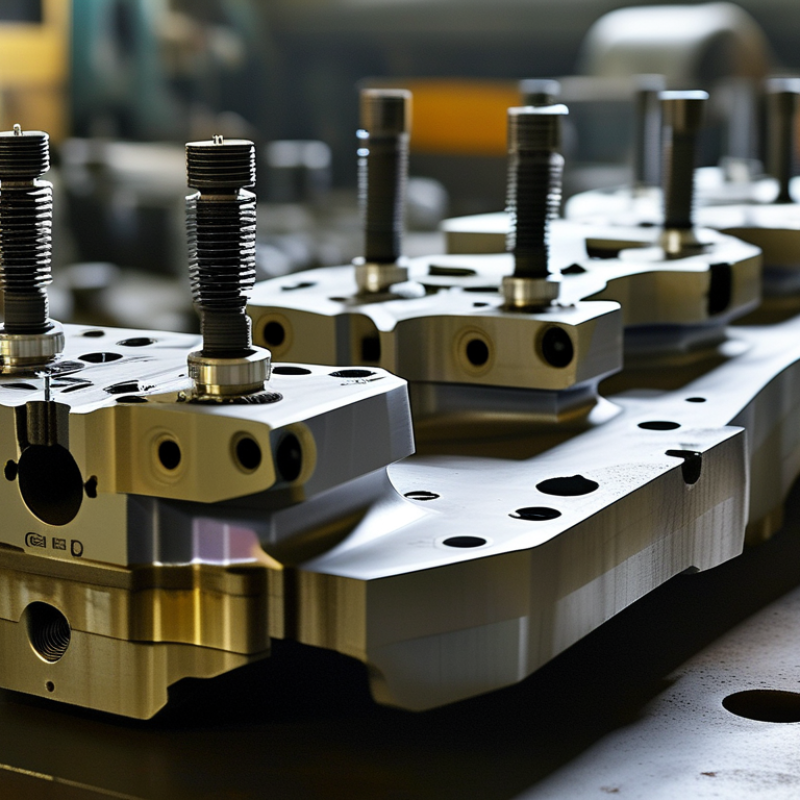
Top 10 Valve Seat Manufacturers in the World?

Valve Seats: Definition, Functions, and Main Types

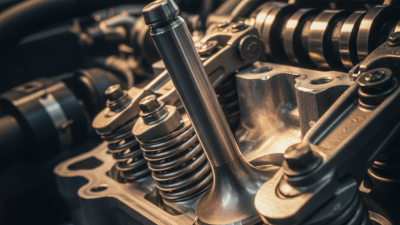
Valve seats are hardened sealing surfaces inside an engine cylinder head.

They meet the valve face during combustion. This contact must resist heat, pressure, and repeated impact. A properly fitted seat helps maintain compression and transfers heat from the valve into the cylinder head.

In practical maintenance, I inspect seat width, concentricity, surface finish, and recession marks.

Fit matters.

A seat that is too wide may reduce heat transfer through the valve face. A narrow seat can concentrate pressure and wear quickly. The correct dimensions depend on valve size, engine duty, head material, and operating temperature. Measuring twice is wise, although rushed repairs sometimes skip it. That shortcut can create leakage after several hot cycles.

Valve seats generally fall into three groups: integral, replaceable insert, and hardened insert designs. Integral seats are machined directly into the cylinder head. They suit compatible materials and controlled operating conditions. Replaceable seats use separate rings, making repairs practical after severe wear.

Hardened inserts add resistance where high loads or elevated temperatures demand stronger protection. Material selection still requires care. Cast iron, steel alloys, and powder-metal options behave differently during installation and service. I would not judge a seat by hardness alone. Cooling, interference fit, machining accuracy, and final lapping can matter just as much. Small errors become expensive when the engine starts.
Criteria for Evaluating Global Valve Seat Manufacturers

Evaluating global valve seat manufacturers requires more than comparing prices or catalog thicknesses. Material selection comes first. Seats must match pressure, temperature, fluid chemistry, and cycling frequency. Industrial valve market reports estimate the sector exceeded 75 billion US dollars in 2023, with steady growth expected through 2030. This expansion increases supplier choices, but it also makes technical screening harder.

A reliable manufacturer should provide documented leakage results, heat-treatment records, dimensional reports, and full material traceability. ISO 15848-1 supports fugitive-emission testing, while API 6FA and API 607 address fire-safe performance for applicable valve designs. Ask whether testing covers the actual seat geometry, not only a similar sample. That small detail often reveals weak validation.

Look at production evidence, too. Inspect machining tolerances, surface-finish control, coating adhesion, and batch consistency. Independent industry studies regularly identify downtime and maintenance as major lifecycle-cost drivers, so a cheaper seat may become expensive after repeated shutdowns. Supplier audits should review calibration systems, nonconformance handling, and delivery history. References from comparable pressure classes are valuable.

The evaluation is not perfectly objective. Published market reports use different definitions, and laboratory results may not reflect field contamination or thermal shock. I would score technical compliance above marketing claims, then verify performance through witnessed testing and a small production trial. Confidence should be earned gradually.

Profiles of the Top 10 Valve Seat Manufacturers Worldwide

Profiles of the Top 10 Valve Seat Manufacturers Worldwide

A practical review of the top ten valve seat manufacturers should examine more than production volume. Their profiles reveal different strengths in metallurgy, machining, testing, and customer support. Several leading producers use powdered metal, stainless alloys, or nickel-based materials for demanding engines. Others focus on cast iron seats for agricultural, industrial, and commercial applications. Their workshops commonly include CNC lathes, automated inspection, and controlled heat treatment.

The strongest manufacturers show clear process records from incoming material to final measurement. They test hardness, dimensional stability, and resistance to high-temperature wear. Some maintain laboratories for analyzing microstructure and checking surface defects. Their engineers also match seat design with fuel type, cylinder pressure, cooling conditions, and installation method. This practical knowledge reduces fitting problems during engine repairs. It also improves service life in severe operating environments.

However, no supplier is perfect. Some offer excellent custom engineering but require longer tooling schedules. Others deliver quickly, yet provide fewer material options for unusual applications. A reliable comparison should include tolerance data, batch traceability, sample approval, and technical response time. Factory visits can reveal details that brochures often miss, such as storage discipline or inconsistent inspection habits. Buyers should request current test reports and clarify warranty terms before placing volume orders. Price matters, but an inexpensive seat can become costly after repeated installation failures.

Valve Seat Materials Commonly Supplied by Global Manufacturers

Indicative upper service-temperature ranges for widely used valve-seat materials. Actual limits vary by grade, pressure, chemical compatibility, sealing design, and operating conditions.

Higher temperature capability is generally associated with metallic, ceramic, or carbon-based seats, while polymer seats are commonly selected for chemical resistance and tight sealing at lower temperatures.

Product Range, Materials, and Industry Applications Compared

Top 10 Valve Seat Manufacturers in the World?

Comparing the top ten valve seat manufacturers requires more than production volume. Their product ranges often include replaceable seats, integral designs, soft seats, and metal-seated assemblies. Materials reveal performance priorities. Hardened stainless steel suits abrasive fluid service, while nickel alloys handle corrosive chemicals and elevated temperatures. PEEK and PTFE support lighter-duty sealing, but temperature limits remain important. Ceramic and carbide options offer strong wear resistance. They can be less forgiving during installation.

Industry demand supports this technical diversity. MarketsandMarkets valued the global industrial valves market at approximately USD 79 billion in 2023 and forecasts continued growth through 2028. Grand View Research also identifies oil and gas, power generation, chemicals, and water treatment as major demand sectors. These reports cover complete valves, not valve seats alone. That distinction matters.

Application testing should guide any manufacturer comparison. In refineries, engineers may prioritize fire-safe metal seats and low-emission performance. Power plants often require erosion resistance under high pressure and temperature. Water systems typically favor corrosion-resistant stainless steel or engineered polymers. Cryogenic service needs materials that remain stable below freezing. API and ISO test compliance can support reliability, but certificates do not replace field evidence. A ranking can still mislead. Machining tolerance, surface finish, lead time, and replacement support may matter more than catalogue size. Personally, I would request sample inspection data, operating histories, and failure analysis before selecting a supplier.

How to Select the Right Valve Seat Manufacturer for Your Needs

Choosing among the Top 10 Valve Seat Manufacturers in the World requires more than comparing prices. Start with material compatibility, pressure class, temperature range, and operating fluid. A seat for steam service needs different wear resistance than one used with abrasive slurry. Request hardness data, dimensional tolerances, coating details, and batch traceability.

Market scale matters, but it does not prove manufacturing quality. Grand View Research estimates the global industrial valves market reached about USD 78 billion in 2023, with continued growth through 2030. This expansion increases supplier choice, but also makes verification harder. Ask manufacturers for ISO 9001 certification, inspection records, sample test reports, and evidence of process control. API, ASME, and ASTM requirements may apply, depending on the valve design and service.

Tips: Compare total operating cost, not only unit price. Check lead times using your actual order volume. Confirm spare-part consistency across batches. A supplier may offer excellent samples but inconsistent production. That risk is easy to miss. Before approval, test seats under realistic pressure, temperature, and cycling conditions. Review failure data from similar applications, if available. One overlooked detail is communication: unclear drawings or slow engineering replies can create expensive delays. The best manufacturer is not always the largest; it is the one that can repeatedly meet your specifications, document its results, and respond when conditions change.