How to Choose the Right Valve Body for Your Needs?
Choosing the right valve body is crucial for any fluid control system. A properly selected valve body ensures efficiency and reliability in various applications. The valve body acts as a housing for critical components, influencing performance under different conditions.
Understanding your specific needs is key. Factors such as fluid type, pressure, and temperature will guide your choice. Many people overlook aspect ratios and material compatibility. These parameters can significantly impact performance and durability.
Selecting a valve body can be daunting. Manufacturers may offer a wide range of options, but not all may suit your requirements. Seek expert advice when in doubt. Ultimately, making an informed decision will enhance your system's efficiency and longevity, while preventing costly mistakes.
Understanding Valve Body Types and Their Applications
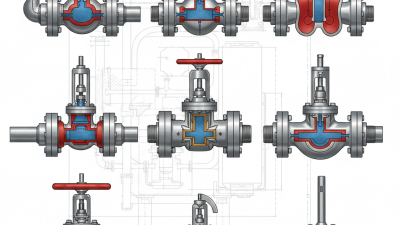
Choosing the right valve body requires understanding various types and their applications. Different valve bodies serve unique purposes based on the system they are integrated into. For instance, a direct-acting valve is swift and ideal for hydraulic systems. Conversely, a solenoid valve offers precise control, suitable for automation tasks.
When selecting a valve body, consider the fluid characteristics. Is it corrosive? Is the temperature extreme? Each scenario demands specific materials and designs. Always evaluate the pressure requirements. Some valves cannot withstand high pressure, affecting operational safety.
**Tips:** Always consult with a professional. This ensures the best choice for your application. Experimenting without expert advice can lead to costly errors. Additionally, consider long-term maintenance. Some valves require more upkeep than others, impacting your operational efficiency.
Key Factors to Consider When Selecting a Valve Body
Selecting the right valve body is crucial for efficient operations. Various factors can influence your choice. Begin with the material compatibility. Corrosion-resistance is vital, especially in harsh environments. For instance, stainless steel works well in many industrial applications. However, specialty alloys may be more suitable in specific contexts.
Another critical factor is pressure rating. High-pressure systems often require valves designed for extreme conditions. According to industry reports, about 40% of valve failures are due to pressure mismatch. Understanding the operating pressure range is essential. Ignoring this can lead to expensive downtime and repairs.
Lastly, consider the end-use application. Each operation has unique requirements. For example, flow rates vary widely across industries. Some experts suggest consulting with professionals to determine the exact specifications needed. Assessing these factors during selection minimizes risks and enhances reliability.
Comparing Materials: Metal vs. Plastic Valve Bodies
When selecting a valve body, the material is a crucial factor. Metal and plastic are the two primary options available. Metal valve bodies are robust and can withstand high pressure and temperature. They are suitable for harsh environments. However, they are often heavier and can corrode over time. This can lead to maintenance issues and increased costs.
On the other hand, plastic valve bodies are lightweight and resistant to corrosion. They perform well in chemical applications where metals may fail. They also offer good thermal insulation. However, they may not hold up under high pressure as effectively. Users should consider the specific fluids and conditions in their applications when choosing the material.
It's important to note that the choice between metal and plastic isn't always clear-cut. Sometimes, a combination of both materials can offer the best solution. Understanding these nuances ensures that you make an informed decision. Always evaluate the long-term implications of your choice, including cost and maintenance.
How to Choose the Right Valve Body for Your Needs? - Comparing Materials: Metal vs. Plastic Valve Bodies
| Material Type |
Durability |
Weight |
Corrosion Resistance |
Cost |
| Metal |
High |
Heavy |
Moderate |
Higher |
| Plastic |
Moderate |
Lightweight |
High |
Lower |
Evaluating Pressure and Temperature Requirements for Valves
When selecting a valve body, pressure and temperature ratings are crucial. Fluids behave differently under varying pressures and temperatures. According to the American Society of Mechanical Engineers (ASME), approximately 40% of valve failures stem from improper ratings. Each application demands specific characteristics. High-pressure systems require robust materials, while extreme temperatures can lead to seal degradation.
Consider these tips: always consult pressure-temperature charts. Manufacturers often publish these for different valve types. Miscalculating pressure ratings can result in catastrophic failures. A valve's body material must withstand the operating temperature. Stainless steel performs well in both high temperatures and corrosive environments, while plastic may suffice for lower pressures.
Valves designed for critical applications must comply with industry standards. The International Organization for Standardization (ISO) provides guidelines that can enhance your selection process. Many engineers overlook the importance of compatibility with fluid type, which may influence valve longevity. Research conducted by the Valve Manufacturers Association indicates compatibility issues account for significant maintenance costs. Knowing your specific requirements can help avoid costly mistakes.
Maintenance and Durability: Choosing a Long-lasting Valve Body
Choosing the right valve body is essential for maintenance and durability. A durable valve body can withstand
pressure and temperature changes over time. It's vital to assess the materials used in construction. Stainless steel,
for instance, offers corrosion resistance. However, it may not be the best choice for all environments.
When considering longevity, examine the design and engineering of the valve body. Some designs may seem robust but can fail under specific conditions.
Check previous testing and durability reports. Not all valves perform well in high-stress situations. A valve that lasts longer usually integrates
advanced engineering principles and high-quality materials.
Regular maintenance plays a crucial role in extending a valve's lifespan. Even the best designs require upkeep to function effectively.
Neglecting routine checks can lead to premature failure. In some cases, users overlook small signs of wear.
These indicators are vital for assessing valve health. A proactive approach ensures consistent performance and reliability over years.