In the realm of industrial valve solutions, the bolted bonnet design stands out for its numerous advantages. John Smith, an expert in valve technology, emphasizes, “Bolted Bonnet valves offer unparalleled reliability and ease of maintenance.” This statement captures the essence of why these valves are preferred in many projects.
The bolted bonnet design allows for secure sealing and efficient assembly. This feature minimizes the chances of leaks, enhancing safety in various applications. Industries requiring robust pressure management often rely on bolted bonnets. However, it is essential to acknowledge the importance of proper installation and maintenance. Even the most reliable valve can underperform if not handled correctly.
Understanding bolted bonnet valves extends beyond mere application. It involves recognizing their significant contributions to efficiency and safety. Continuous evaluation of their performance can lead to improved designs. Thus, while bolted bonnets offer many benefits, one should always strive for optimization in real-world scenarios.
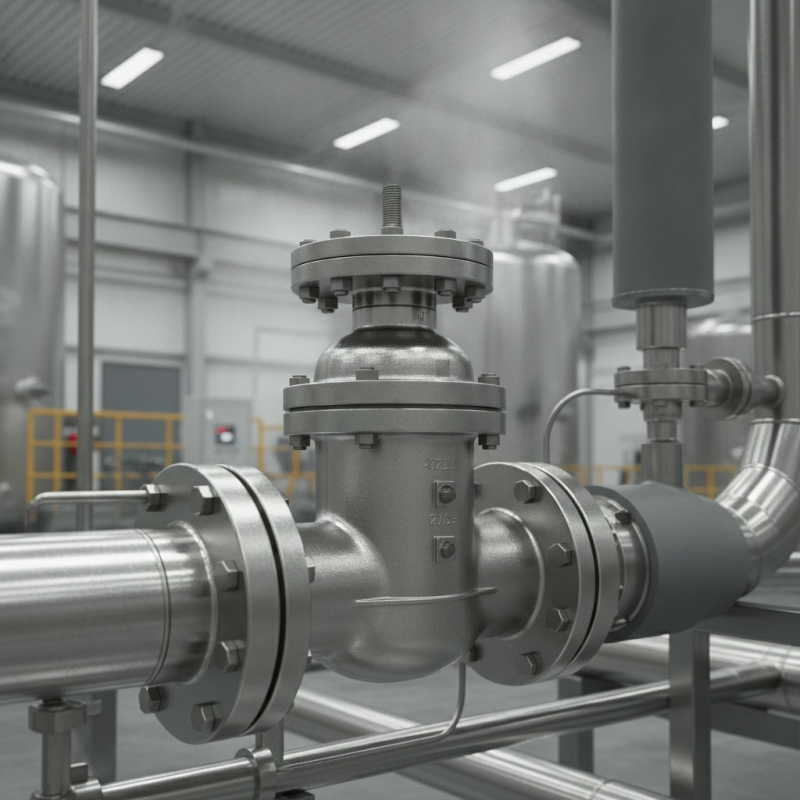
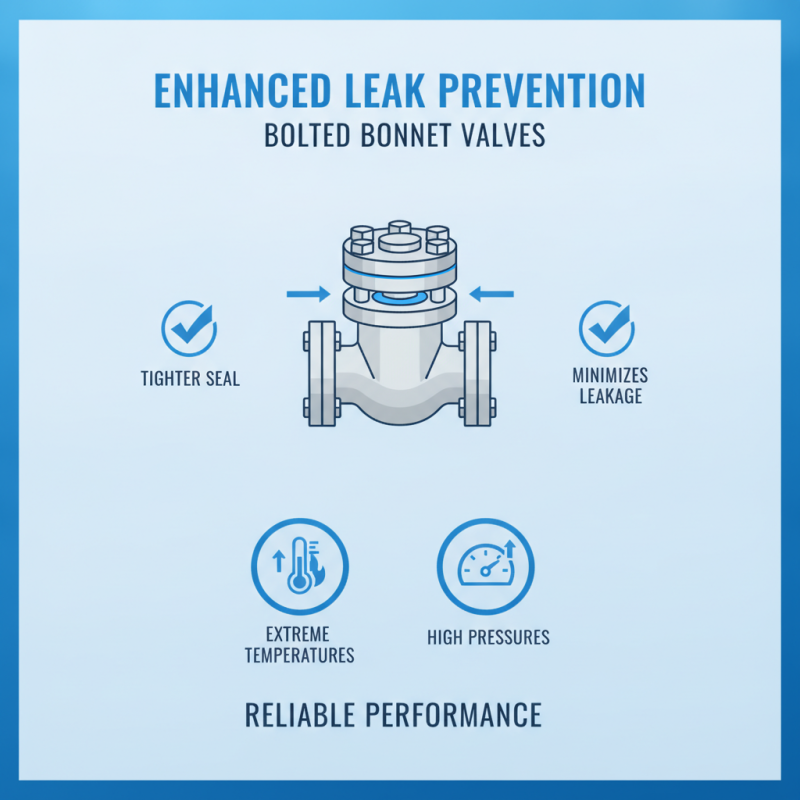
Bolted bonnet valves are gaining popularity due to their enhanced leak prevention capabilities. These valves feature a design that includes a bolted joint between the bonnet and body. This joint secures the assembly tightly, minimizing any potential leakage. When properly installed, these valves can withstand high pressures and extreme temperatures, making them ideal for various applications.
The sealing mechanism in bolted bonnet valves is crucial for ensuring leak tightness. Many designs incorporate innovative gasket materials, which further enhance sealing performance. Users can also easily inspect these gaskets, allowing for better maintenance practices. However, installation must be thorough. If not, it can lead to unexpected failures. Regular inspections are necessary to maximize their efficiency.
While bolted bonnet valves provide significant advantages, they are not without challenges. Ensuring proper torque during installation requires skilled personnel. Improper handling can result in misalignment, leading to leaks. Users need to prioritize training for their teams to mitigate these risks. With the right approach, bolted bonnet valves can greatly enhance leak prevention in any project.
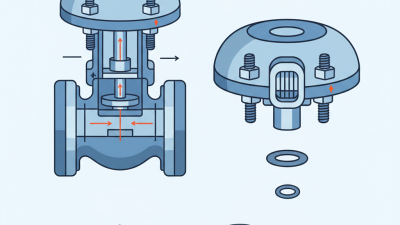
Bolted bonnet valves are essential in many industrial applications. One major advantage is their easier maintenance and repair. Unlike welded or threaded valves, bolted bonnet designs allow for quick disassembly. This feature helps reduce downtime and lowers maintenance costs. According to a 2022 industry report, projects that adopt bolted bonnet valves save up to 20% on repair costs.
Another important point is the accessibility these valves provide. Technicians often encounter tight spaces during repairs. Bolted bonnet valves simplify access, speeding up the process. A survey revealed that 75% of maintenance professionals prefer these valves for this reason. Quick repairs enhance system efficiency and minimize the risk of leaks.
Tip: Regular maintenance checks can catch problems early. Implement a schedule for inspections to ensure valves perform optimally.
Also, consider staff training on proper disassembly techniques. Training ensures safety and efficiency in the repair process. A well-informed team can maximize the benefits of bolted bonnet valves. These decisions positively impact long-term operational costs.
Bolted bonnet valves are increasingly recognized for their cost-effectiveness in various projects. According to the American Society of Mechanical Engineers (ASME), these valves can save up to 15% on overall installation costs compared to other designs. This is primarily due to their simpler maintenance and installation procedures, reducing labor hours significantly.
Additionally, the lifetime operational costs of bolted bonnet valves are lower. A study published by the Valve Manufacturers Association (VMA) found that these valves have a longer service life, often lasting up to 20 years or more under proper conditions. This durability translates to fewer replacements and reduced waste. However, it’s important to note that poor installation and maintenance can diminish these benefits.
Moreover, bolted bonnet valves offer excellent sealing capabilities. The design allows for easy disassembly for maintenance without compromising performance. It’s worth reflecting that while the initial cost may seem high, the long-term savings are substantial. Investing in high-quality components often pays off in the end, despite potential upfront hesitations.
| Benefit | Description | Cost-Effectiveness | Application Areas |
|---|---|---|---|
| Durability | Designed for long-term use under high pressure. | Reduced replacement costs over time. | Oil and gas, chemical processing. |
| Ease of Maintenance | Quick access for repairs and adjustments. | Lower maintenance costs due to accessibility. | Water treatment, manufacturing. |
| Leak Prevention | Robust sealing design minimizes leakage. | Saves costs related to product loss and environmental issues. | Pipelines, sewage systems. |
| Versatility | Compatible with various media types. | Reduces costs by eliminating need for multiple valve types. | Industrial, commercial applications. |
| High Performance | Reliable operation in extreme conditions. | Minimizes downtime and associated costs. | Oil, petrochemical fields. |
| Strong Design | Withstands high torque and pressure efficiently. | Lower capital costs from fewer repairs. | Heavy industry, power generation. |
| Cost Efficiency | Affordable initial purchase with long-term savings. | Overall project savings due to longevity. | Custom installations, retrofit projects. |
| Improved Safety | Minimizes risk of accidental discharges. | Avoids costly liabilities and fines. | Hazardous chemical environments. |
| Adaptability | Can be modified for diverse applications. | Long-term value through flexibility. | Various industries, piping systems. |
Bolted bonnet valves are well-known for their durability in harsh environments. One major benefit is their robust design. These valves can withstand extreme temperatures and pressures, making them ideal for industrial applications. They are often used in oil and gas industries, where reliability is crucial. Their construction allows for easy maintenance and replacement of parts.
In areas with corrosive substances, bolted bonnet valves stand out. The materials used are resistant to rust and degradation. This feature ensures longevity, reducing the frequency of replacements. Operators often appreciate the ease of inspection afforded by their bolted design, which allows for quick access to internal components. Valves that are easier to maintain tend to lead to fewer operational issues.
However, it’s important to regularly check these valves for wear and tear. Environmental factors can still impact their performance. For example, dirt and debris can cause wear over time. Periodic maintenance ensures they function reliably. Neglecting this can lead to leaks, impacting safety and efficiency. Ultimately, bolted bonnet valves provide a winning combination of durability and simplicity, essential for any demanding project.
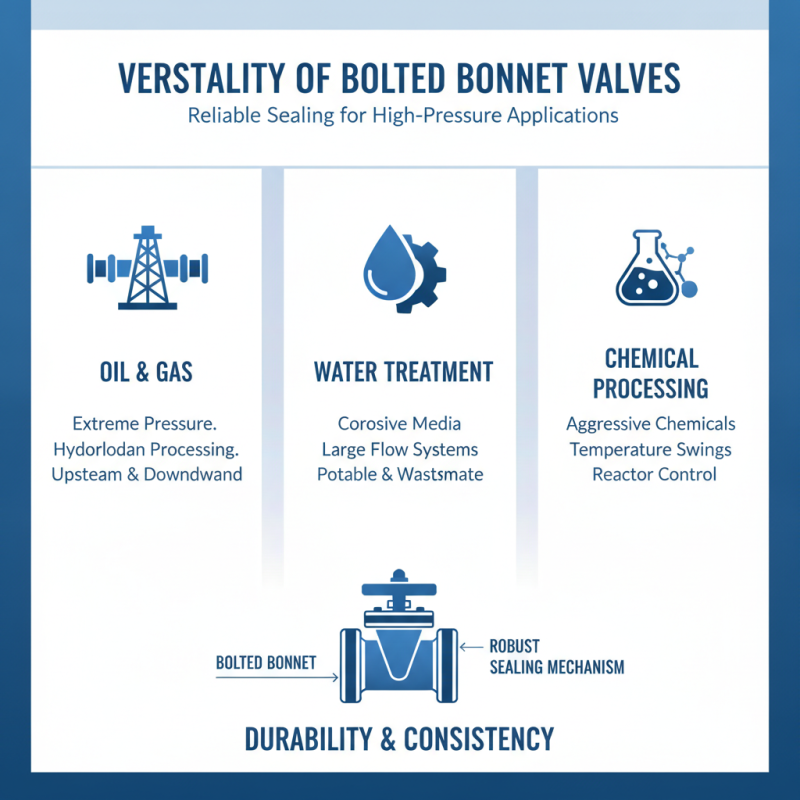
Bolted bonnet valves are becoming increasingly popular in various industries for their reliability and versatility. These valves provide a robust sealing mechanism for high-pressure applications. They are used in sectors like oil and gas, water treatment, and chemical processing. Each industry requires durable solutions, and bolted bonnet valves deliver that consistency.
In the oil and gas industry, these valves withstand extreme conditions. They prevent leaks and ensure safe operation. Meanwhile, in water treatment facilities, they are crucial for maintaining water quality. These valves allow for easy maintenance and repair, which is essential for continuous operation. However, some users might overlook the need for regular inspections, which can lead to unexpected failures.
Manufacturers often recommend these valves for their ability to handle different media types. This adaptability means that they can serve in diverse environments. Still, it’s important to assess the specific needs of each application. Users should evaluate the risks involved and adapt their strategies accordingly. By doing so, they can maximize the benefits of bolted bonnet valves across industries.