Choosing among China’s best Bolted Bonnet valve manufacturers calls for more than comparing prices or polished catalogues. Buyers need to examine pressure ratings, materials, machining quality, inspection records, and service support. The bonnet joint is not decorative. It must maintain a dependable seal through operating cycles, temperature changes, and maintenance work.
Philip L. Skousen, author of Valve Handbook, is a recognized technical reference in valve selection. Without a source confirming his exact words, it would be unreliable to present a made-up quotation as his. A practical principle reflected in sound valve engineering is simple: match the valve design to the actual service conditions, then verify the details. Details matter.
This guide explores how manufacturers differ in design capability, production controls, testing practices, and export experience. It also considers features buyers can inspect, such as bolting arrangement, gasket surfaces, casting finish, and nameplate data. Ask for relevant test documentation, material traceability, and clear answers about lead times. Do not assume every factory offers the same level of engineering support.
A supplier may look strong on paper and still leave questions unanswered. That deserves a closer look. The right Bolted Bonnet manufacturer is not automatically the largest or cheapest; it is the one that can demonstrate consistent quality and explain how its valves fit your application. No shortlist is perfect. Careful verification still matters.
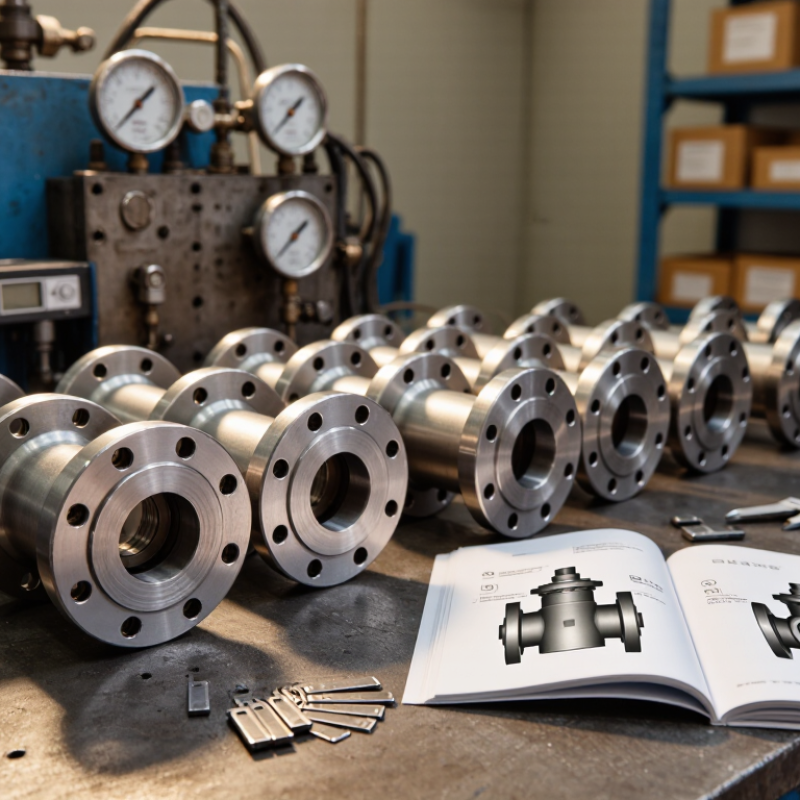
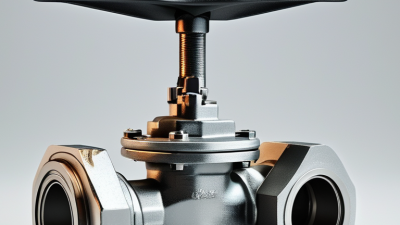
A bolted bonnet valve has a body and a separate cover, called the bonnet. Bolts clamp the bonnet to the valve body, with a gasket between the two surfaces to help contain pressure. Inside, the stem moves a gate, globe, or other closure element to control flow. The exact arrangement depends on the valve type.
The joint is a defining feature. During assembly, technicians tighten the bolts in a controlled pattern so the gasket compresses evenly. Uneven tightening can contribute to leakage, even when the parts appear sturdy. Small details matter. The bonnet can usually be removed for inspection or servicing, though access and repair time vary with the installation.
Bolted bonnet designs are used across many industrial systems, but the name alone does not confirm that a valve suits a particular service. Buyers and engineers should check the pressure and temperature ratings, materials, gasket specification, and applicable design requirements. A valve may look suitable on a drawing, yet operating conditions can tell a different story. That is worth considering before selection.

China Best Bolted Bonnet Valve Manufacturers
A bolted bonnet valve has a body and bonnet secured by threaded fasteners. A gasket sits between their machined faces, helping contain pressure when properly selected and installed. The bonnet provides access to internal parts, including the stem, disc, and seat. Its design must suit the specified pressure, temperature, fluid, and operating conditions. Bolt material, joint dimensions, and gasket type all affect sealing performance. Small details matter.
During operation, a handwheel or actuator moves the stem, which positions the closure element against or away from the seat. In a gate valve, the gate generally moves across the flow path; other valve designs work differently. Operators should turn the wheel steadily and avoid forcing a valve that resists movement. That resistance may signal debris, wear, or pressure-related loading. One point can be overlooked: a valve that looks closed may still pass fluid if its seat is damaged.
Tips: Before inspection, isolate the line and confirm it is depressurized under approved site procedures. Check for leakage around the bonnet joint, unusual vibration, and stiff stem movement. Retightening bolts without checking the correct procedure can worsen a leak or damage the gasket. I have seen maintenance plans focus on the handwheel while missing early signs at the joint; that is worth reconsidering. Follow the valve’s rated limits and service instructions.
| Design or Operation Dimension | How It Works | Practical Selection and Operating Considerations |
|---|---|---|
| Body–bonnet joint | The bonnet is attached to the valve body with studs or bolts. A gasket is compressed between the joint faces to contain pressure. | Joint design, bolt loading, gasket selection, pressure, temperature, and fluid compatibility all affect sealing performance. Follow the valve manufacturer’s assembly and tightening instructions. |
| Bonnet gasket | The gasket seals the body-to-bonnet connection. Depending on the valve design and service, it may be a spiral-wound, metallic, or other specified gasket construction. | There is no single gasket type suitable for every bolted bonnet valve. Replacement gaskets should match the valve design and the required service conditions. |
| Body and bonnet materials | Pressure-containing parts are made from materials selected for the application. Common industrial choices include carbon steel, stainless steel, and alloy steel grades. | Material suitability depends on pressure, temperature, corrosion, erosion, and the process fluid. A material name alone does not establish a valve’s pressure-temperature rating. |
| Pressure and temperature rating | The allowable operating conditions are determined by the valve design, pressure class, material group, temperature, and applicable rating standard. | Check the valve’s documented pressure-temperature limits and design standard. ASME B16.34 provides pressure-temperature ratings for many valve designs; the applicable edition and valve details matter. |
| Closure element and flow path | Bolted bonnet construction can be used with different valve types, including gate, globe, and check valves. Their discs or other closure elements serve different flow-control functions. | Gate valves are generally used for on/off isolation, globe valves for throttling or shutoff, and check valves to help prevent reverse flow. Confirm the specific valve type and intended duty. |
| Stem and packing | In many manually operated gate and globe valves, the stem transfers motion from the operator to the closure element. Packing around the stem helps limit leakage to the environment. | Stem arrangements vary by valve design. Packing material and adjustment procedures must suit the service; excessive tightening can increase operating torque or damage components. |
| Manual operation | For a handwheel-operated gate or globe valve, turning the handwheel moves the stem and closure element. The direction and number of turns depend on the valve design. | Operate the valve using its specified procedure and do not use an improvised extension to force a stuck handwheel. Check the manufacturer’s instructions for opening and closing limits. |
| Check-valve operation | A bolted bonnet check valve opens or closes in response to flow and pressure conditions rather than a handwheel command. | Installation orientation and flow direction are design-dependent. Follow the flow arrow and installation instructions shown on the valve or in its documentation. |
| Bolting and maintenance | Bonnet fasteners maintain the joint clamping load needed to compress the gasket under the specified conditions. | Before maintenance, isolate and depressurize the system, verify it is safe, and follow site procedures. Do not retighten or remove bonnet fasteners while the valve is pressurized unless an approved procedure explicitly permits it. |
| Inspection and testing | Inspection and pressure testing are performed according to the valve design, purchase requirements, and applicable standards. | API 600 covers steel gate valves for specified petroleum and related industries; API 602 covers compact steel gate, globe, and check valves. Confirm the standard and edition stated for the particular valve. |
China Best Bolted Bonnet Valve Manufacturers
Common Types, Materials, and Industrial Applications
Bolted bonnet describes how a valve’s cover joins its body; it is not a valve type by itself. The design appears in gate, globe, and check valves. Gate valves suit isolation, while globe valves allow more controlled throttling. Check valves help prevent reverse flow. API Standard 600 covers bolted-bonnet steel gate valves, offering buyers a recognized specification to consult.
Material choice depends on pressure, temperature, and the fluid being handled. Carbon steel is common in many general services. Stainless steel can suit corrosive environments, while alloy steels may be selected for demanding temperatures or pressures. Low-temperature service requires careful material verification. A familiar grade is not enough; compatibility must be checked against actual operating conditions.
These valves are used in power generation, refining, pipelines, and LNG facilities. GIIGNL’s Annual Report 2024 reports global LNG trade of 401.42 million tonnes in 2023, underscoring the scale of gas handling and associated infrastructure. That figure does not indicate valve demand directly. In practice, maintenance access and operating cycles also matter, yet specifications can overlook them. A valve that fits the line may still be awkward to service.
Evaluate a manufacturer by its engineering evidence, not the polish of its catalogue. Ask for drawings that show the bonnet joint, pressure class, dimensions, and material grades. Details matter. Check whether material certificates can be traced to the finished valve, and whether inspection records identify each unit or production batch. Ask for evidence. A capable technical team should explain how the design suits your fluid, temperature range, and operating conditions. If answers stay vague, pause.
Review the proposed testing plan before comparing prices. It should state the shell and seat test procedures, acceptance criteria, and records supplied with delivery. Ask how bolting is selected and controlled; uneven tightening can affect sealing, especially on larger valves. Request a realistic production schedule and clarify which inspections are included.
A factory visit or remote review of machining and assembly areas can add useful context, but it cannot replace documents. Not just promises. No checklist catches every risk, and a low price may still be reasonable. Compare scope, materials, testing, and support on the same basis, then note any assumptions that remain unresolved.
Chinese bolted bonnet valve manufacturers often specialize by material, pressure range, and production method. Some factories concentrate on cast-steel gate, globe, and check valves for larger pipelines. Others machine forged-steel units for compact, higher-pressure service. Stainless-steel options suit corrosive or cleaner process lines, but material selection should follow the actual fluid and temperature. Details matter.
Product depth can be more useful than a broad catalogue. Ask whether the manufacturer can provide drawings, pressure-test records, material traceability, and clear operating limits. Inspect bonnet joint dimensions, stem finish, and packing arrangement; these affect maintenance and leakage risk. A polished brochure is not proof of consistent inspection. Request sample inspection documents and confirm they match the offered configuration.
Tips: Compare the same valve size, pressure class, trim, and test scope across suppliers. Ask how production deviations are handled; the answer can reveal process discipline.
Some suppliers accept custom dimensions or end connections, while others are strongest in repeat production. This distinction is easy to miss. Check factory capability against the exact application rather than assuming export experience covers every requirement. If records are incomplete, pause and clarify before placing an order.