What is a Ball Valve Body and How Does It Work?
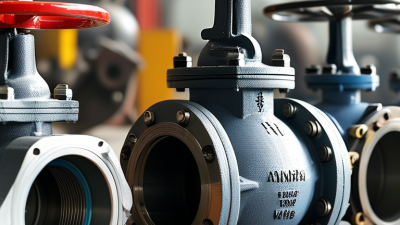
A ball valve body is a crucial component in various fluid control systems. Its primary function is to regulate flows within pipelines. This device consists of a hollow sphere, known as a ball, that can rotate inside a valve body. When the ball is aligned with the flow, it allows fluid to pass through. In contrast, when turned perpendicular, it blocks the flow entirely.
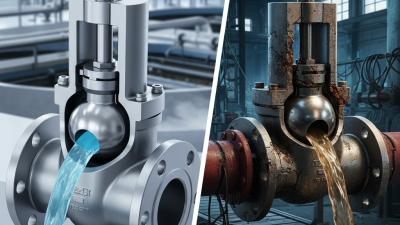
Understanding the mechanics of a ball valve body requires some technical insight. Its reliability is key in industries like oil, gas, and water treatment. These systems often face high pressure and temperature changes. A well-designed ball valve can withstand these conditions, ensuring safe operation. However, not all ball valve bodies are created equal. Some may degrade faster under harsh conditions, highlighting the need for careful selection.
The importance of quality and design cannot be overstated. An inferior ball valve body can lead to leaks and operational failures. Therefore, expertise in choosing the right valve is vital. Ultimately, this understanding not only aids in effective fluid management but also enhances safety and efficiency in industrial applications.
What is a Ball Valve Body?
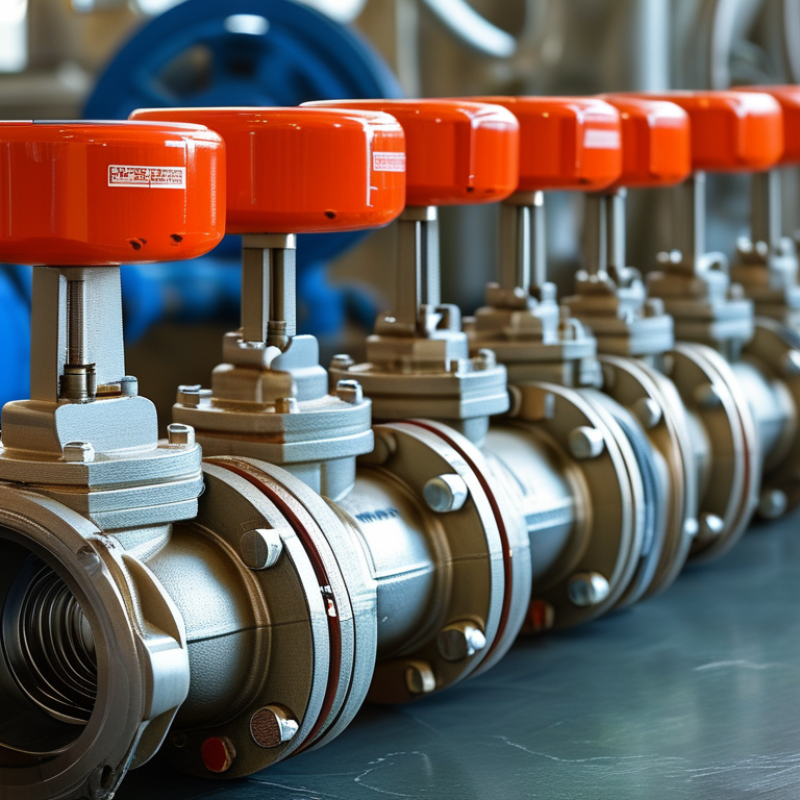
A ball valve body is a crucial component in modern fluid control systems. It contains a spherical disc, known as the ball, which regulates the flow of liquids or gases. When the ball rotates, it opens or closes the flow passage. This design minimizes turbulence and allows for quick shut-off. In industries like oil and gas, the effective use of ball valves can reduce maintenance costs by up to 30%, according to industry analysis.
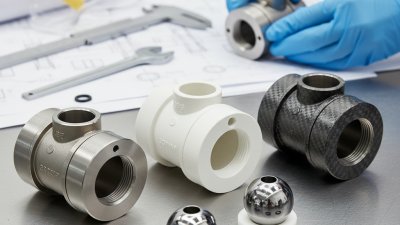
Ball valve bodies are often made from durable materials such as stainless steel or brass. The choice of material affects the valve’s performance and longevity. For instance, stainless steel is resistant to corrosion and high temperatures, making it suitable for harsh environments. Research from the American National Standards Institute (ANSI) indicates that using robust materials can extend the lifespan of ball valves significantly, often doubling their operational life.
Despite their advantages, ball valves also present challenges. For example, they can develop leaks over time, especially if not maintained properly. The sealing mechanisms may wear down, leading to inefficiency. Regular inspections and maintenance, however, can help prevent these issues. It's essential to balance efficiency with reliability when integrating ball valve bodies into systems. Finding the right components ensures optimal performance in fluid management.
Components of a Ball Valve Body
A ball valve body serves as a critical component in controlling fluid flow. Its design consists of a spherical disc, or ball, that rotates within the valve body to open or close the flow path. This mechanism relies on several key components for optimal function.
One essential part is the seat, typically made from materials like PTFE or nylon. Seats are designed to create a tight seal when the valve is closed. The ball itself is often constructed from stainless steel or brass for durability and resistance to corrosion. Another crucial part is the stem, which connects the ball to the handle or actuator above, enabling easy operation.
**Tip:** Regular maintenance of ball valves increases their lifespan and reliability. Inspect for leaks regularly and replace worn components like seats.
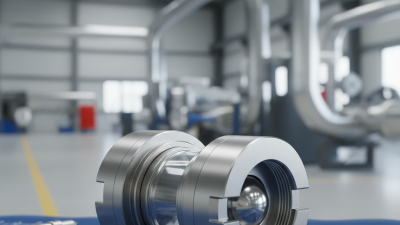
The valve body also features end connectors, ensuring a secure connection to pipes. These can be threaded, flanged, or welded, depending on the system requirements. Data indicates that 80% of valve failures occur due to improper installation or wear and tear of components. Understanding the interaction between these parts can enhance system performance.
**Tip:** Ensure that installation follows industry standards and best practices for effective results. Adhering to guidelines can prevent costly downtime.
How Ball Valve Bodies Function Mechanically
Ball valves are essential components in various fluid control systems. Their bodies are typically made of durable materials like stainless steel or brass. These bodies house a spherical disc, known as the ball, which plays a crucial role in regulating flow. When the valve is open, the ball aligns with the flow path. This design allows for quick opening and closing with minimal effort.
Mechanically, ball valve bodies function through a simple rotational mechanism. A handle or actuator turns the ball a quarter turn. This rotation either allows or blocks fluid movement. Despite their efficiency, installation can be tricky. If not aligned properly, the ball may stick, leading to operational failures. Regular maintenance helps prevent such issues. However, even routine checks might not catch every problem. Users sometimes overlook signs of wear and tear, which can result in leaks or pressure drops.
Understanding the mechanical workings of ball valve bodies is vital for effective maintenance. Their straightforward design is appealing, yet it requires attention. Trouble can arise from improper handling or forced operation. Awareness of these factors can lead to better performance and longevity of the valve system.
Applications of Ball Valve Bodies in Industries
Ball valve bodies are essential components in various industries. They provide a reliable way to control the flow of fluids. Their design features a spherical disc that rotates to open or close the valve. This simple mechanism allows for quick operation, making them popular in many applications.
In the oil and gas industry, ball valves are crucial for controlling the flow of hydrocarbons. They can handle high pressure and temperature. Their durability makes them suitable for tough environments. Water treatment facilities also use ball valves to regulate water flow. This ensures efficient operation in processing plants.
However, not all applications benefit from ball valves. In some cases, they may not seal as effectively as other types. This can lead to leaks or performance issues. Engineers must consider the specific requirements of each application. Understanding the limitations of ball valves is essential for maintaining system integrity.
What is a Ball Valve Body and How Does It Work? - Applications of Ball Valve Bodies in Industries
| Application |
Industry |
Valve Size (inches) |
Material |
Operating Pressure (psi) |
| Flow Control |
Water Supply |
2 |
Brass |
150 |
| Isolation |
Oil & Gas |
4 |
Stainless Steel |
3000 |
| Mixing |
Chemical Processing |
3 |
PVC |
150 |
| Shut-off |
Food & Beverage |
1 |
Coated Carbon Steel |
200 |
| Temperature Regulation |
HVAC |
5 |
Aluminum |
250 |
Advantages of Using Ball Valve Bodies in Fluid Control
Ball valve bodies play a crucial role in fluid control systems. They offer several advantages that enhance efficiency and reliability. One key benefit is their ability to provide a tight seal. This ensures that fluids do not leak during operation. The ball design allows for smooth and quick flow. This helps to maintain the desired pressure level within the system.
Another advantage of ball valve bodies is their durability. Made from robust materials, they can withstand high pressures and temperatures. This makes them suitable for various applications, including industrial and commercial uses. Operators appreciate their straightforward operation. A simple quarter turn can completely open or close the valve. This ease of use reduces the risk of operator error.
While ball valves are generally reliable, they are not without flaws. Over time, wear and tear can affect their performance. Regular maintenance is essential to ensure long-term efficiency. Ignoring this can lead to costly repairs and downtime. Properly understanding the advantages and limitations of ball valve bodies helps users make informed decisions.
Advantages of Using Ball Valve Bodies in Fluid Control