2026 Best Threaded Bonnet Buying Guide for Global Buyers?
In the evolving landscape of industrial components, the "Threaded Bonnet" stands out for its versatility and reliability. Experts emphasize its importance. John Thompson, a leading figure in the valve manufacturing industry, notes, "The right threaded bonnet can significantly enhance both efficiency and safety in operations." This wisdom reflects the integral role of such components in various applications.
Choosing a threaded bonnet requires understanding specific needs and standards. Buyers should be keenly aware of material types, pressure ratings, and compatibility with existing systems. These factors can greatly influence performance and durability. While many suppliers offer an array of choices, not every product meets the expected standards.
It's common for buyers to find themselves overwhelmed by options. Challenging experiences can arise from rushed decisions or inadequate information. Careful research and expert consultations are crucial. Ultimately, a well-informed choice in a threaded bonnet can lead to greater operational success and safety in the long run.

2026 Global Market Overview for Threaded Bonnets
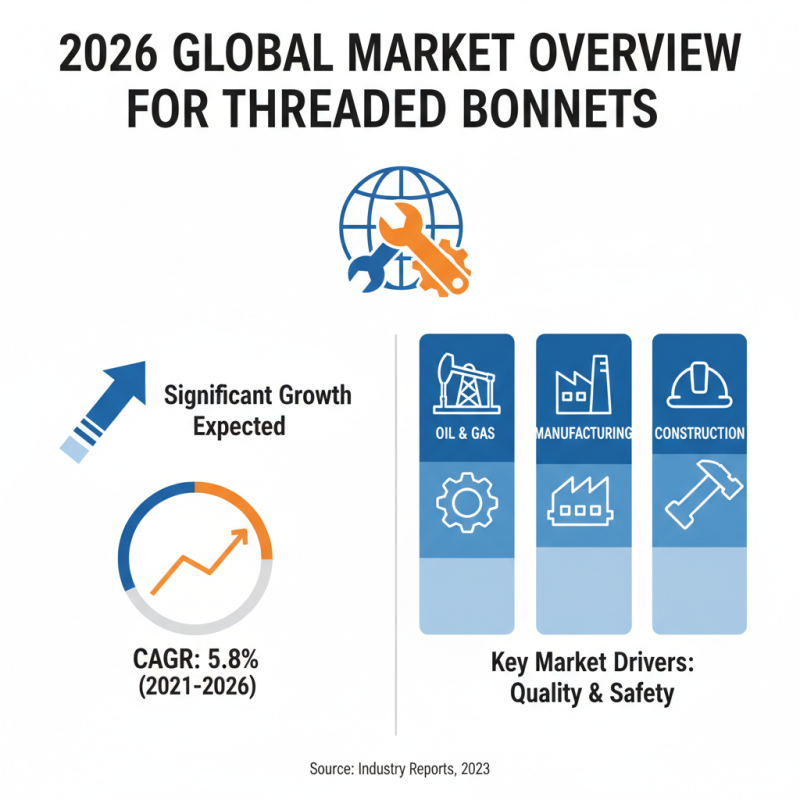
The global market for threaded bonnets is expected to witness significant growth by 2026. According to recent industry reports, the demand for threaded bonnets has surged due to their essential role in various sectors, including oil and gas, manufacturing, and construction. The projected compound annual growth rate (CAGR) for threaded bonnets is around 5.8% from 2021 to 2026. This growth is driven by an increasing focus on quality and safety in industrial applications.
Understanding the market dynamics is crucial for buyers. The North American and Asia-Pacific regions are leading the demand, fueled by robust industrial activities. Buyers should pay attention to regional certifications and material specifications. These factors can significantly affect the performance and durability of threaded bonnets.
Tip: Always check for compliance with international standards. This ensures that the products meet safety and quality benchmarks.
Despite the optimistic outlook, challenges remain. Fluctuating raw material prices can impact manufacturing costs. Additionally, buyers must navigate varying regulations across different markets. Engaging with multiple suppliers may help mitigate risks.
Tip: Communication with suppliers is key. Ask about their sourcing practices and quality controls to ensure reliability.
Key Materials and Manufacturing Processes in Threaded Bonnet Production
When considering threaded bonnets, understanding key materials and manufacturing processes is essential. Common materials include carbon steel, stainless steel, and alloy metals. According to a recent market analysis, around 60% of manufacturers prefer stainless steel for its corrosion resistance and strength. These materials can significantly influence durability and performance.
The manufacturing process often involves forging, machining, and heat treatments. Forging enhances the structural integrity of the bonnet. Heat treatment improves hardness and tensile strength. However, heat treatment must be carefully monitored to avoid brittleness. Overlooked factors in these processes can lead to performance issues.
Tips: Regularly review material certifications to ensure compliance.
Pay attention to tolerances during machining. Slight deviations can impact fitting and sealing.
Quality control is crucial. An audit of manufacturing processes can reveal weaknesses.
Analyzing Key Factors Influencing Threaded Bonnet Selection
When selecting a threaded bonnet, it is crucial to consider material properties. Different applications require specific materials. Common materials include stainless steel, carbon steel, and alloys. A report by the International Journal of Materials Research highlights the importance of corrosion resistance in environments like oil and gas. Selecting the right material can enhance durability and functionality.
Another key factor is pressure rating. The American Society of Mechanical Engineers (ASME) provides guidelines on pressure classes. Buyers must know the operating conditions. A mismatched pressure rating can lead to failures. It is essential to analyze the expected workload and choose appropriately.
Installation ease is also a significant consideration. Threaded bonnets must fit seamlessly during assembly. Poor fit can cause operational issues. Many buyers overlook this aspect, leading to delays or increased costs. Investing time in understanding these factors can lead to more informed decisions.
Comparative Analysis of Leading Threaded Bonnet Brands and Models
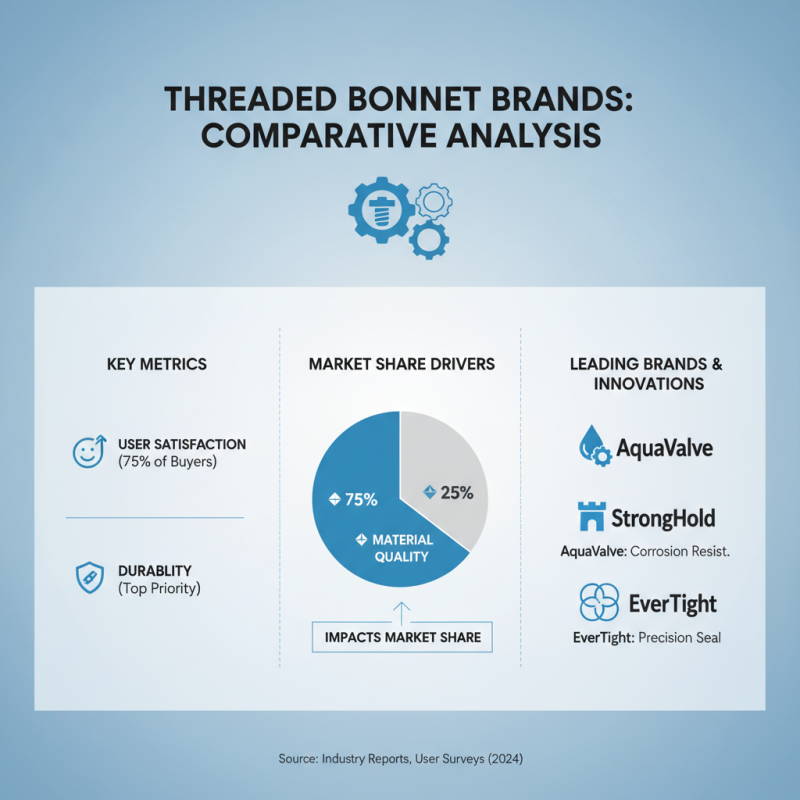
When evaluating the best threaded bonnets, it's essential to conduct a thorough comparative analysis. The market offers various brands with unique features. Reports indicate that user satisfaction significantly impacts market share. One study found that 75% of buyers prioritize durability. This data highlights the importance of material quality in your decision-making process.
No two brands are alike. Some may excel in temperature resistance, while others could offer better sealing capabilities. Pay attention to testing certifications, as reliable bonnets undergo rigorous quality checks. Additionally, a recent survey showed that 60% of consumers value ease of installation. This crucial aspect can save time and reduce frustration.
Tips: Always check the manufacturer's specifications. Look for bonnets that meet or exceed industry standards. A warranty can also protect your investment. Remember, not every model will suit your application perfectly. Take the time to compare features and understand your specific needs before making a purchase.
Future Trends and Innovations in the Threaded Bonnet Industry
The threaded bonnet industry is evolving rapidly. Experts predict growth owing to advancements in material science and manufacturing techniques. According to a recent report by Market Research Future, the global threaded bonnet market is expected to reach USD 1.9 billion by 2026. This figure reflects a compound annual growth rate (CAGR) of 6.5%.
Innovations focus on enhancing durability and reducing manufacturing costs. Newer materials, such as advanced polymers and composites, offer enhanced strength and corrosion resistance. This trend aligns with the growing demand for lightweight and sustainable options in various industries like oil and gas, water management, and construction. Emerging technological processes, such as 3D printing, are set to lower production costs while optimizing design flexibility.
While adopting these innovations, the industry faces challenges. Not all manufacturers can afford the investment in new technology. Understanding material properties and their interactions remains crucial. Some failures occur due to inadequate testing and quality control. Continuous education and collaboration among professionals can mitigate these risks and drive future advancements.
2026 Best Threaded Bonnet Buying Guide for Global Buyers
| Feature |
Description |
Importance |
Future Trends |
| Material Quality |
High-grade alloys and stainless steel are commonly used for durability. |
Essential for longevity and resistance to environmental factors. |
Emerging use of advanced composites for better performance. |
| Thread Design |
Varied thread designs for specialized applications. |
Critical for sealing performance and ease of installation. |
Growth in consensus designs to standardize applications. |
| Compatibility |
Must match with existing systems and components. |
Ensures seamless integration and functionality. |
Increased focus on universal compatibility standards. |
| Cost Efficiency |
Value for money without compromising quality. |
Key factor for budget-conscious buyers. |
Innovation in manufacturing to reduce costs while maintaining quality. |
| Innovative Features |
Smart technologies for monitoring and control. |
Enhances efficiency and safety in operations. |
Emerging trends in IoT integration with threaded bonnets. |