High-Precision Sanitary Engineering & Smart Flow Control Solutions for Sterile Processing Systems
Engineered to meet strict food, beverage, and dairy processing standards with superior reliability.
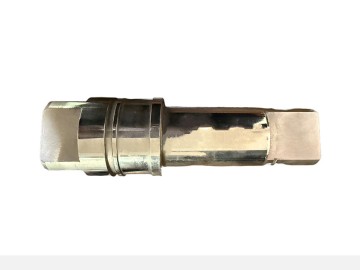
In modern industrial automation, the food and beverage (F&B) industry represents one of the most demanding sectors for fluid control components. At the heart of these processing lines is the valve stem—a critical mechanical link that transmits motion from the actuator to the internal closing element (such as a ball, disc, or plug). As production facilities scale up to meet global demand, the commercial and technical requirements for valve stems have transitioned from basic mechanical functionality to highly specialized, sanitary-grade performance.
Today, the global market for hygienic valve components is experiencing robust growth. Consumers demand preservative-free, fresh, and minimally processed foods, which forces manufacturers to implement strict aseptic and sterile processes. Within this commercial framework, valve stems must prevent any external contamination from entering the fluid stream while resisting high pressures, extreme temperatures, and corrosive cleaning media. This has driven valve manufacturers to adopt advanced materials and precision machining methods to guarantee zero-leakage performance, reducing costly product recalls and system downtime.
In a typical food processing plant, fluids ranging from low-viscosity water and beer to highly viscous syrups, dairy products, and particulate-laden sauces flow through miles of pipework. Controlling these flows requires thousands of cycles of valve actuation. The valve stem is the only moving component that bridges the internal sanitary environment with the external atmosphere. If a valve stem suffers from poor surface finish, micro-scratching, or inadequate alignment, it will compromise the stem seals (such as O-rings or bellows).
A compromised seal allows bacteria to enter the product zone, causing biological contamination. Conversely, it can also lead to product leakage, creating an unsafe and unsanitary working environment. Therefore, selecting the correct valve stem design and material is not just a matter of mechanical durability; it is a critical step in regulatory compliance (FDA, 3-A, EHEDG) and brand protection.
To survive the aggressive environments of food and beverage processing, valve stems must be fabricated from premium alloys. Standard carbon steels are entirely unsuitable due to their susceptibility to oxidation. Instead, manufacturers utilize specialized stainless steels and superalloys that offer a balance of mechanical strength, wear resistance, and chemical inertness.
F304 and F316 Stainless Steel: These are the workhorses of the sanitary industry. F316, in particular, contains molybdenum, which significantly improves resistance to pitting corrosion caused by chlorides (commonly found in food ingredients like salt and sanitizing agents). For highly acidic products like citrus juices or tomato sauces, F316L (low carbon) is preferred to prevent carbide precipitation during welding or machining processes.
High-Performance Alloys (17-4PH, XM-19, and Monel 400): In high-pressure applications or systems handling highly viscous foods, standard 316 stainless steel may lack the necessary torsional strength. This is where precipitation-hardening alloys like 17-4PH or nitrogen-strengthened stainless steels like XM-19 come into play. They offer double the yield strength of 316 while retaining excellent corrosion resistance, preventing stem twisting or shearing under high torque loads.
In food-grade applications, the surface finish of the valve stem is just as important as the material composition. Microscopic crevices on a rough metal surface can harbor bacteria and organic residues, shielding them from CIP chemicals. Standard industrial valve stems typically have a surface roughness (Ra) of 1.6 to 3.2 μm. However, sanitary valve stems require an Ra of 0.8 μm or less, often achieved through precision grinding, super-finishing, or electropolishing.
Furthermore, the physical geometry of the stem must eliminate "dead spaces" where fluid can stagnate. Smooth transitions, radiused corners, and self-draining profiles are essential design elements. When integrated with advanced sealing materials like PTFE, EPDM, or Viton, a high-precision stem ensures a dynamic hermetic seal that stands up to millions of cycles.
The exact specifications of a valve stem vary significantly depending on the specific product line it serves. Let us explore three critical application scenarios where high-performance valve stems are indispensable:
Dairy products are highly sensitive to temperature and biological contamination. During pasteurization (HTST or UHT), milk is heated to high temperatures to kill pathogens. The valve stems used in diversion valves must actuate within milliseconds if the temperature drops below the required threshold, redirecting the milk back to the heating loop. These stems must handle rapid thermal cycling without expanding excessively or binding within the valve bonnet. The combination of high fat content, lactic acid, and high-temperature CIP cycles requires stems machined to tight tolerances with superior thermal stability.
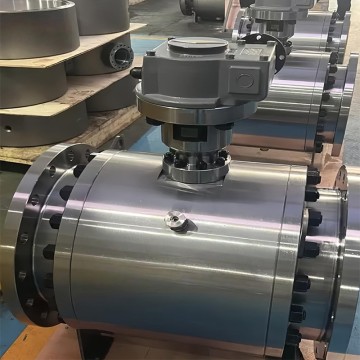
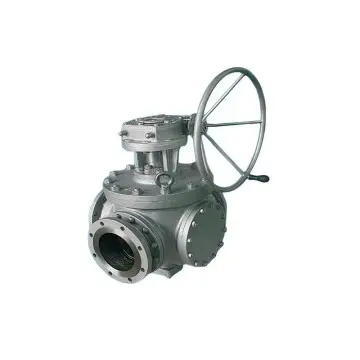
Brewing and carbonated beverage production involve high pressures due to dissolved carbon dioxide (CO2). Valve stems in these lines are subject to rapid pressure drops and cavitation. Furthermore, beer processing involves active yeast strains and fermentation byproducts. The valve stem must maintain a perfect seal to prevent the ingress of wild yeasts or oxygen, which would spoil the batch. Stems in these applications are often paired with robust trunnion ball valves or high-performance butterfly valves to handle the high flow velocities and pressure differentials.
Products like chocolate, peanut butter, honey, and tomato paste present unique challenges due to their high viscosity and shear-sensitive nature. Pumping these products requires high pressures, which translates to massive torque requirements on the valve stem. Stems used in these filling and packaging valves must be designed with high torsional fatigue limits to prevent deformation. Any deformation of the stem could lead to misalignment of the valve disc or ball, causing uneven filling volumes or complete system lockups.
As the Food & Beverage industry transitions toward Industry 4.0, fluid control systems are becoming increasingly intelligent. The integration of smart actuators and sensors directly onto valve assemblies is redefining how valve stems are monitored.
Sichuan Yining Machinery Equipment Co., Ltd. was established in 2005 and is a company specializing in the production and manufacturing of various types of valves and finished valve accessories. Over the years, we have been dedicated to the field of valves and are committed to providing high-quality and high-performance products and solutions to customers worldwide.
The company has always adhered to the business philosophy that "Quality is the boss, quality is our salary", insisting on taking quality as the core and regarding stable and reliable product quality as the solid foundation for long-term cooperation with customers. We are well aware that high-quality products and stable delivery capabilities are the keys to the continuous development of an enterprise.
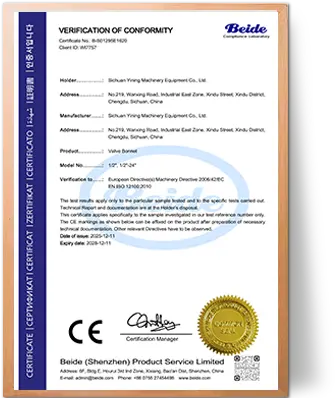
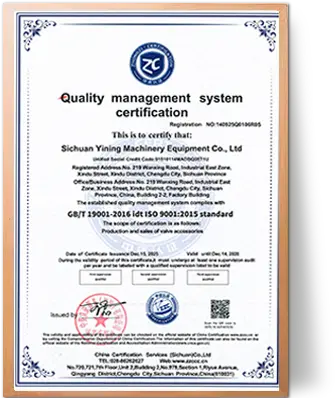
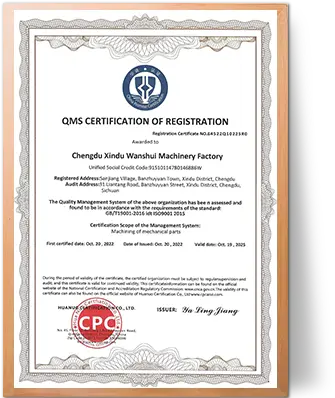
The company has passed the ISO9001 quality management system certification and CE certification, and strictly follows international standards for production and quality control to ensure that every product meets industry and customer requirements.
With years of manufacturing experience and mature production techniques, we have a professional technical and management team with rich theoretical knowledge and practical experience. We adhere to the development direction of "conceptual innovation, technological innovation, and management innovation", constantly improving product quality and enterprise competitiveness.
In the future, Sichuan Yining Machinery Equipment Co., Ltd. will continue to take outstanding quality as the core, customer demands as the orientation, and join hands with partners to create a long-term, stable and mutually beneficial win-win cooperative relationship.
+86-15208308717
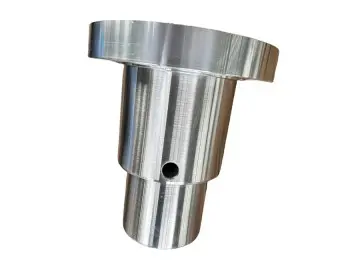
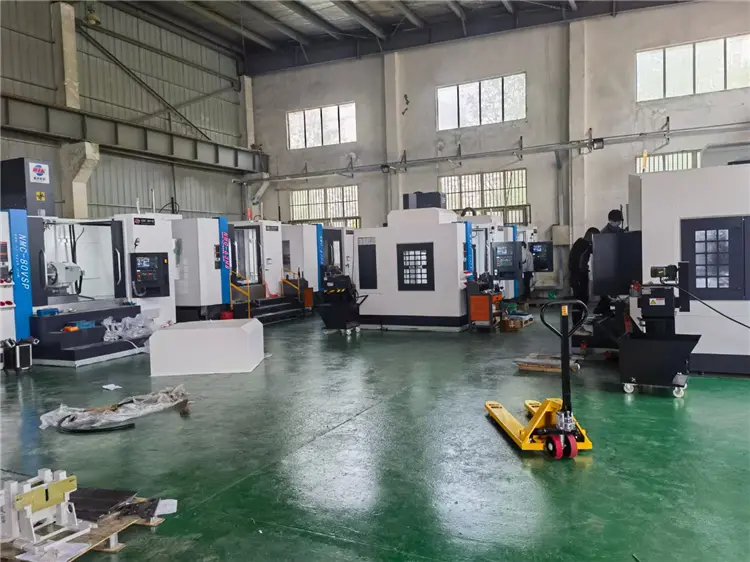
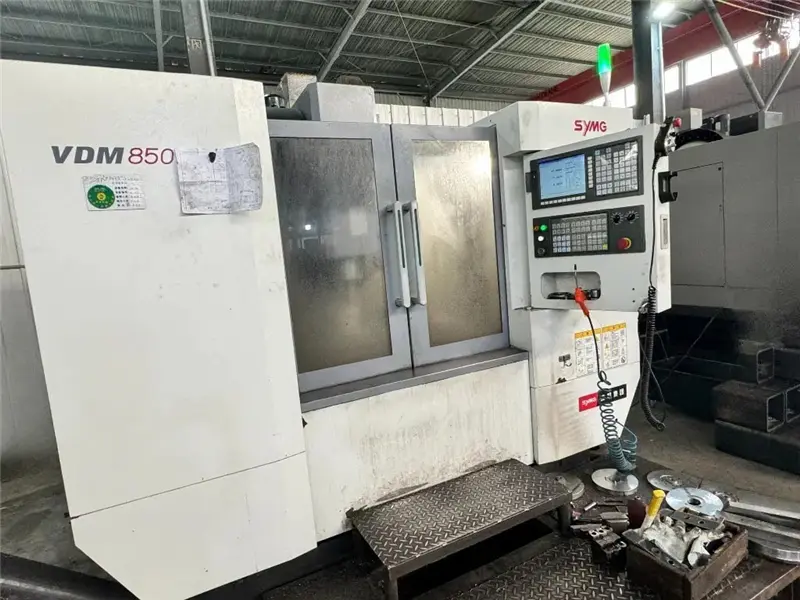
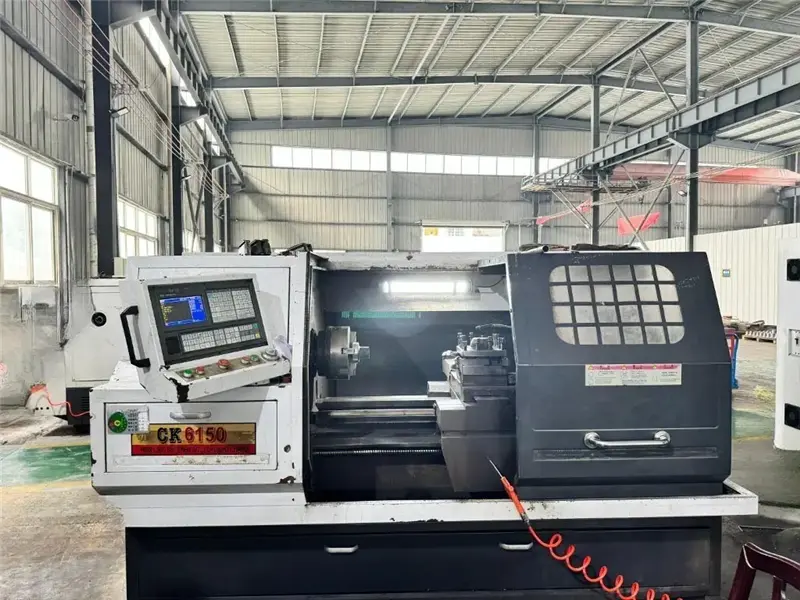
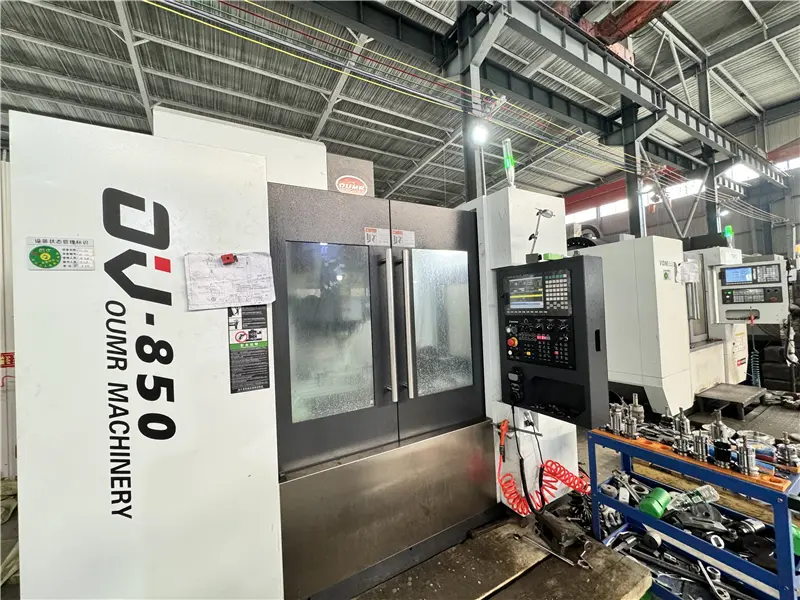
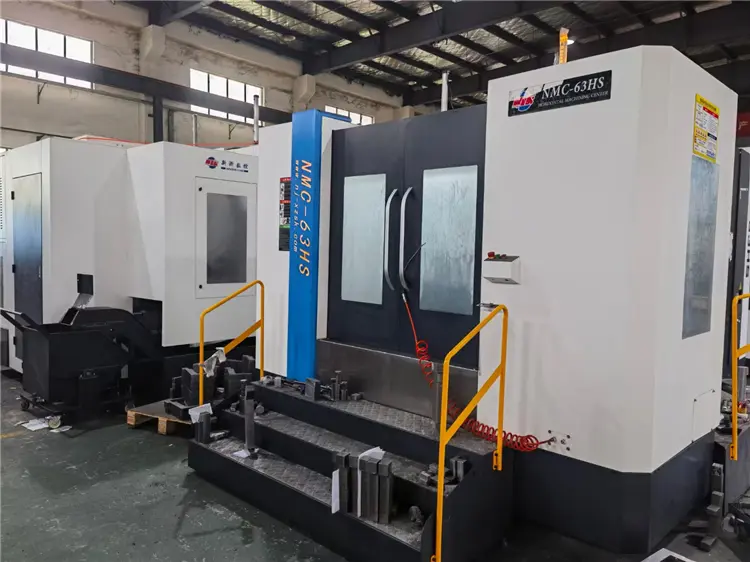
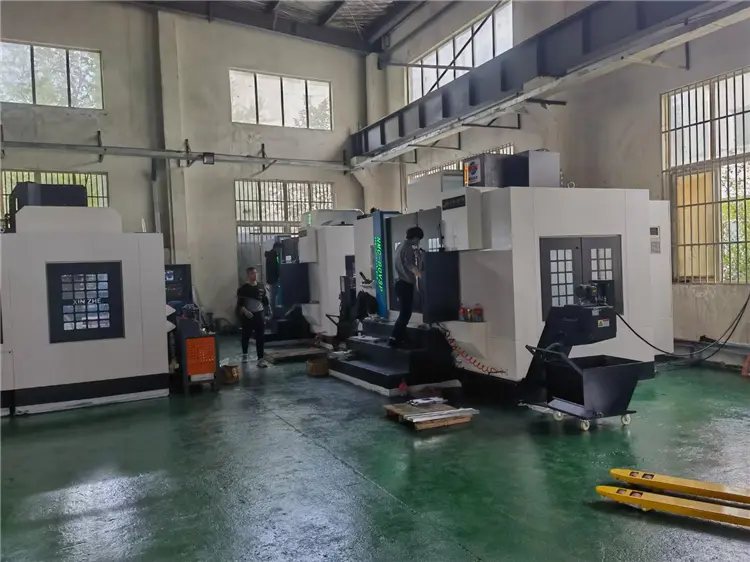
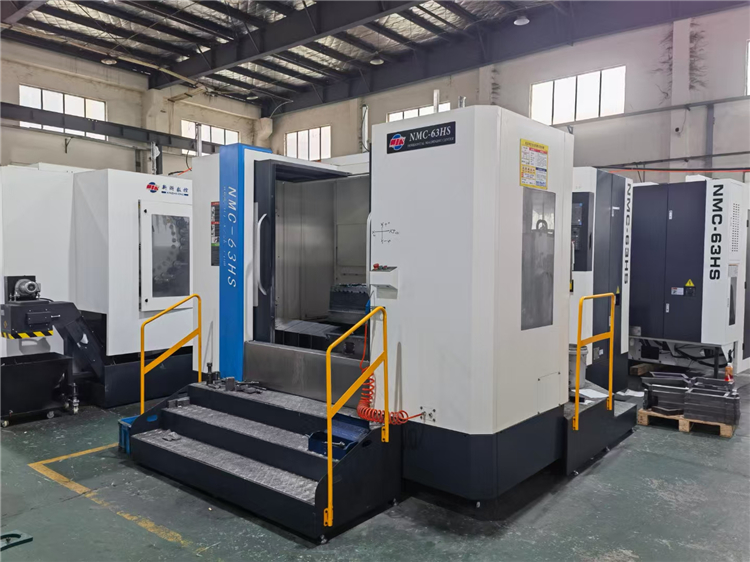
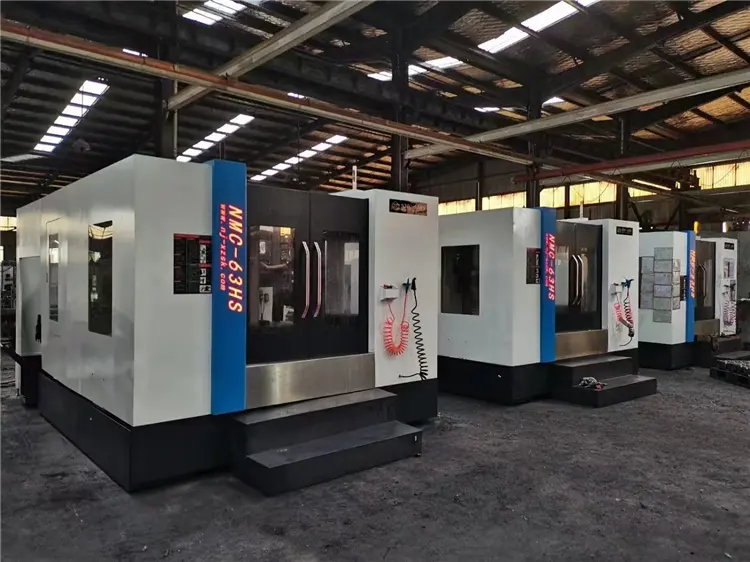
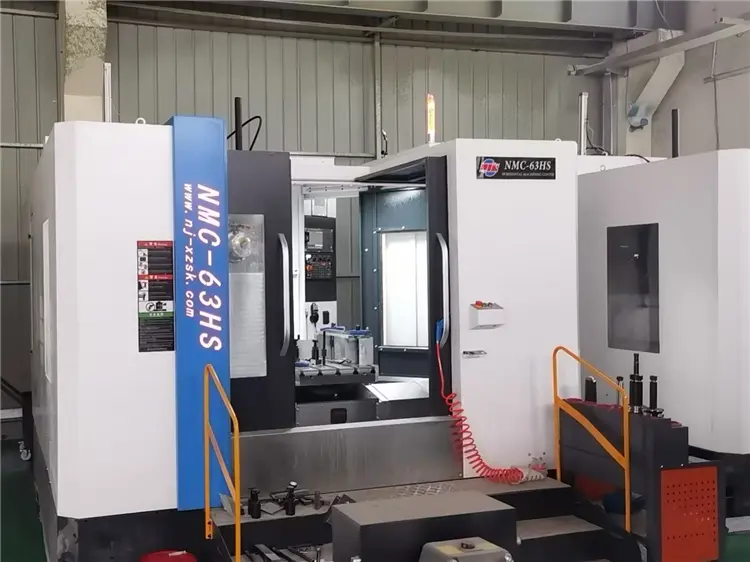
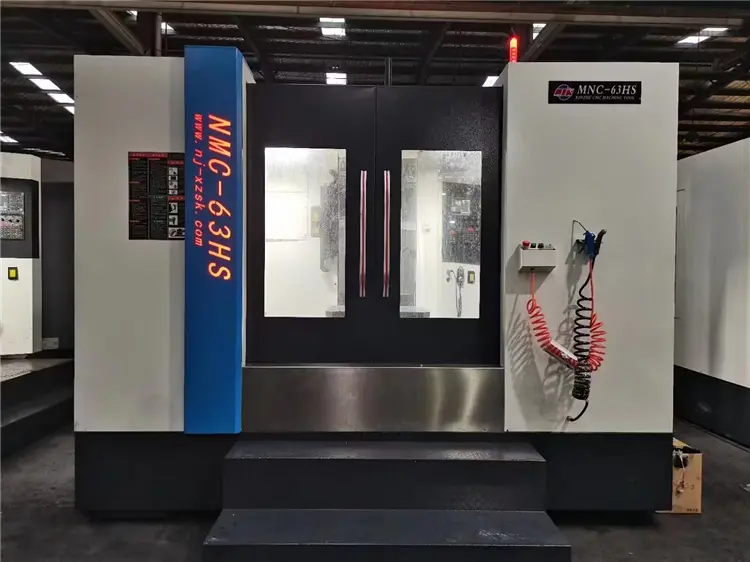
Our company is CE certified and operates under an ISO 9001 quality management system. We are equipped with CNC machines, machining centers, forging and cold forming equipment, as well as physical and chemical testing facilities.
Our valve components are manufactured in accordance with GB, ANSI, JIS, DIN, and BS standards, meeting the conformity requirements of international markets, including Europe.
We machine carbon steel, stainless steel, alloy steel, and special materials such as 410, 420, F304, F316, LF2, A105, 17-4PH, Monel 400, and XM-19, and support custom production based on customer drawings.
In addition to comprehensive product supply, our service level is also outstanding. With rich experience in the industry, we are always able to deeply understand the needs of our customers and meet all kinds of OEM customisation requirements. We ensure on-time delivery, prompt response and take care of all after-sales issues.


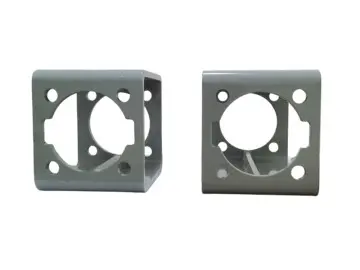
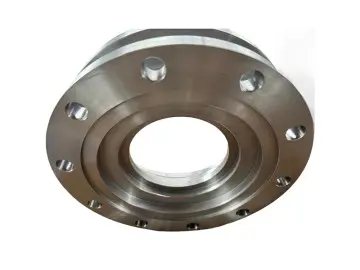
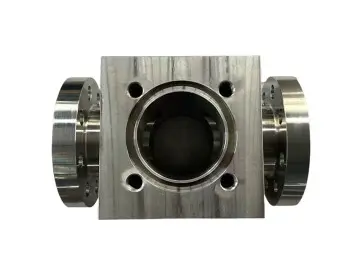
Explore our full range of high-precision valve bodies, stems, bonnets, and mounting brackets customized for food and beverage production.
Sichuan Yining Machinery Equipment Co., Ltd. is committed to becoming a trusted partner of global valve companies. Contact our engineering team today for technical advice, customization options, or quotes.
Get In Touch