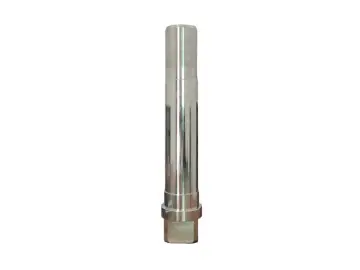
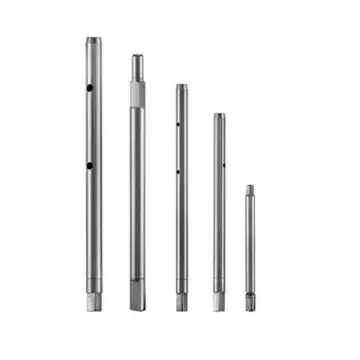
In the modern industrial food and beverage (F&B) processing landscape, hygiene, safety, and operational reliability are not merely standards—they are absolute prerequisites. Within the complex pipeline systems that transport everything from dairy products and carbonated beverages to viscous sauces and pure process water, valves act as the vital control points. At the heart of these valves lies the stainless valve stem, a precision-engineered component responsible for transmitting mechanical force to open, close, or regulate fluid flow.
Because the valve stem directly penetrates the pressure boundary of the valve body, it is continuously exposed to both internal product media and external environmental factors. In food and beverage applications, this exposure presents a unique set of challenges. The component must resist aggressive cleaning chemicals, withstand extreme temperature fluctuations during sterilization, and maintain a microscopically smooth surface to prevent bacterial colonization. Consequently, the manufacturing, material selection, and surface treatment of stainless valve stems have evolved into a highly specialized field of industrial engineering.
Today's F&B manufacturers face intense pressure to maximize production uptime while eliminating the risk of batch contamination. A single product recall due to bacterial contamination or mechanical failure can cost millions of dollars and cause irreparable damage to a brand's reputation. As a result, procurement departments and system integrators are shifting away from generic industrial valves toward specialized, sanitary-grade solutions.
Stainless steel, particularly grades like 316L, 17-4PH, and XM-19, has become the undisputed material of choice for valve stems. The market is witnessing a transition from simple cast components to high-precision CNC-machined and forged valve stems. These advanced manufacturing methods ensure superior dimensional tolerances and eliminate internal structural voids, which are common points of failure under high-pressure operations.
The integration of Industry 4.0 and smart automation is fundamentally reshaping the design of fluid control systems. Modern F&B plants rely heavily on pneumatic and electric actuators to control flow rates dynamically. This automation demands valve stems with exceptional torsional strength and wear resistance to handle high-frequency cycling without degradation.
Furthermore, there is a growing trend toward "zero-maintenance" sealing systems. Traditional stem packings are being replaced by advanced bellows seals and high-performance elastomer diaphragms. The valve stem must be designed with extreme precision to interface perfectly with these modern sealing technologies, ensuring a hermetic barrier between the product flow and the external environment.
The requirements for stainless valve stems vary significantly depending on the specific product being processed. Understanding these distinct application environments is essential for selecting the correct material grades and surface finishes.
Dairy production involves handling delicate emulsions that are highly susceptible to bacterial spoilage. Milk contains fats, proteins, and minerals that can easily adhere to rough surfaces, forming a bio-film. Furthermore, the natural accumulation of lactic acid creates a corrosive environment. Valve stems used in dairy lines must feature an ultra-smooth surface finish (typically Ra < 0.8 μm, often enhanced by electropolishing) to prevent organic residues from clinging to the metal. They must also withstand the thermal shock associated with pasteurization and UHT (Ultra-High Temperature) processing, where temperatures can rapidly cycle from cold product temperatures to over 140°C.
In brewery operations and soft drink production, valves must manage fluids containing dissolved carbon dioxide under pressure, alongside organic acids (such as citric or phosphoric acid) and active yeast cultures. The valve stems must maintain a perfect seal under fluctuating pressures to prevent de-aeration or contamination. Additionally, the constant exposure to carbonic acid requires materials with superior pitting resistance, making F316L or nitrogen-strengthened stainless steels like XM-19 highly desirable for these applications.
Processing sauces, syrups, peanut butter, and fruit pulps introduces mechanical challenges. These media are highly viscous and often contain abrasive particulates like sugar crystals, seeds, or salt grains. During valve operation, these particles can get trapped between the valve stem and the seal, leading to abrasive wear and scratching. For these demanding scenarios, manufacturers utilize high-strength precipitation-hardening alloys like 17-4PH or apply advanced surface hardening treatments (such as gas nitriding or DLC coatings) to the stainless stem. This increases surface hardness while maintaining the core toughness and corrosion resistance of the component.
Perhaps the most punishing phase for any F&B valve is not the food production itself, but the cleaning cycle. To maintain sterile conditions without dismantling the piping system, plants run CIP cycles using aggressive hot caustic solutions (sodium hydroxide) followed by acid washes (nitric or phosphoric acid) at temperatures up to 85°C. This is often followed by SIP cycles using superheated steam at 121°C or higher. The stainless valve stem must remain completely inert during these chemical attacks, maintaining its structural integrity and surface smoothness over thousands of cleaning cycles.
Sichuan Yining Machinery Equipment Co., Ltd. was established in 2005 and is a company specializing in the production and manufacturing of various types of valves and finished valve accessories. Over the years, we have been dedicated to the field of valves and are committed to providing high-quality and high-performance products and solutions to customers worldwide.
The company has always adhered to the business philosophy that "Quality is the boss, quality is our salary", insisting on taking quality as the core and regarding stable and reliable product quality as the solid foundation for long-term cooperation with customers. We are well aware that high-quality products and stable delivery capabilities are the keys to the continuous development of an enterprise.
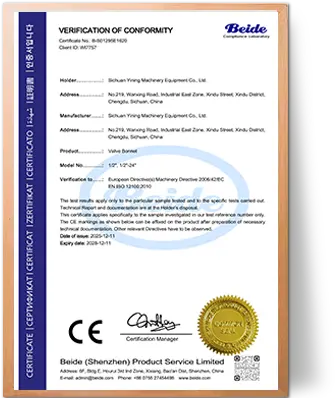
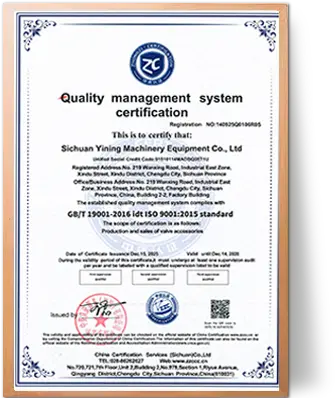
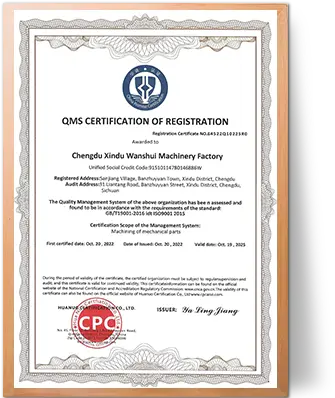
The company has passed the ISO9001 quality management system certification and CE certification, and strictly follows international standards for production and quality control to ensure that every product meets industry and customer requirements.
With years of manufacturing experience and mature production techniques, we have a professional technical and management team with rich theoretical knowledge and practical experience. We adhere to the development direction of "conceptual innovation, technological innovation, and management innovation", constantly improving product quality and enterprise competitiveness.
In the future, Sichuan Yining Machinery Equipment Co., Ltd. will continue to take outstanding quality as the core, customer demands as the orientation, and join hands with partners to create a long-term, stable and mutually beneficial win-win cooperative relationship.
 +86-15208308717
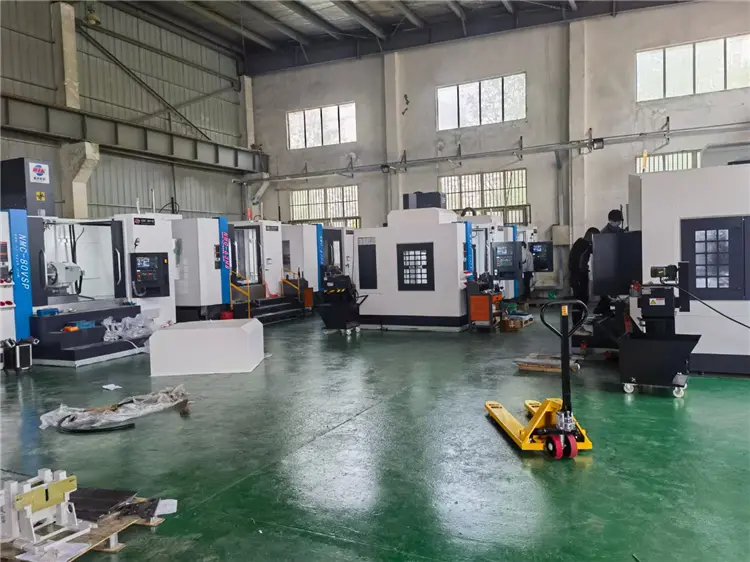
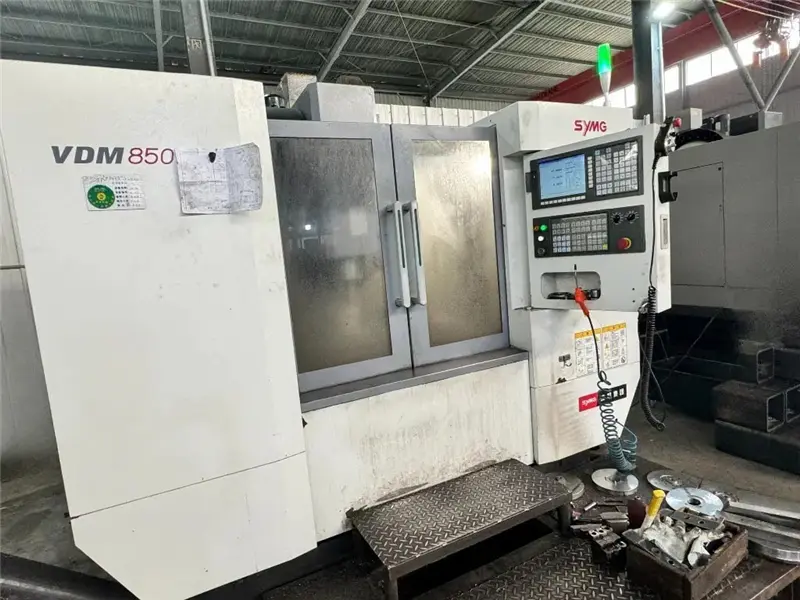
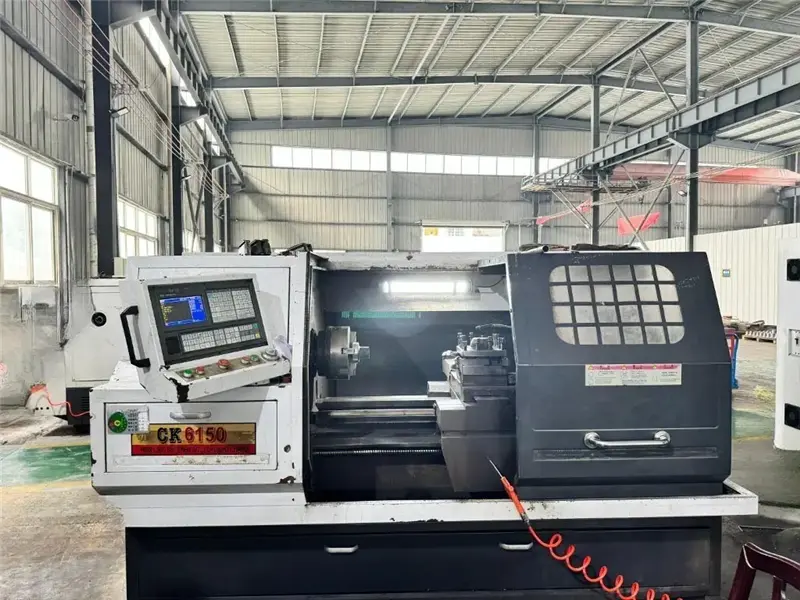
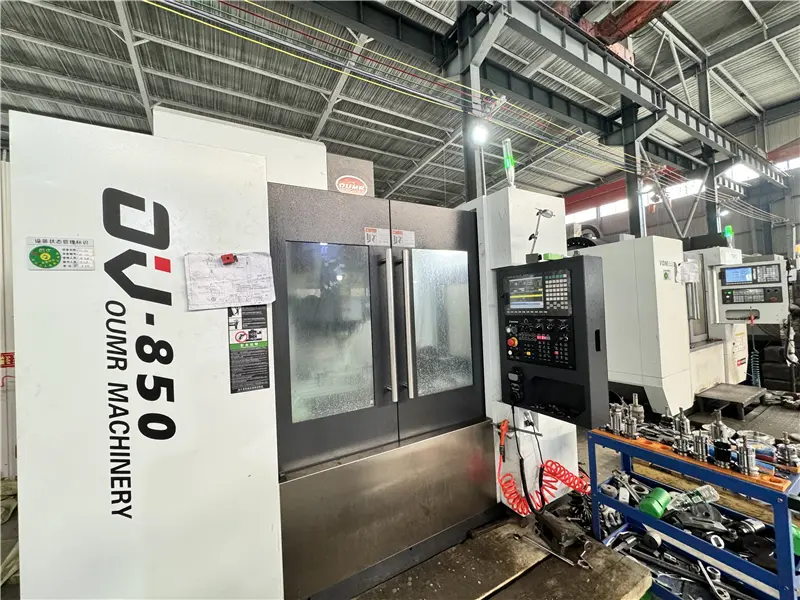
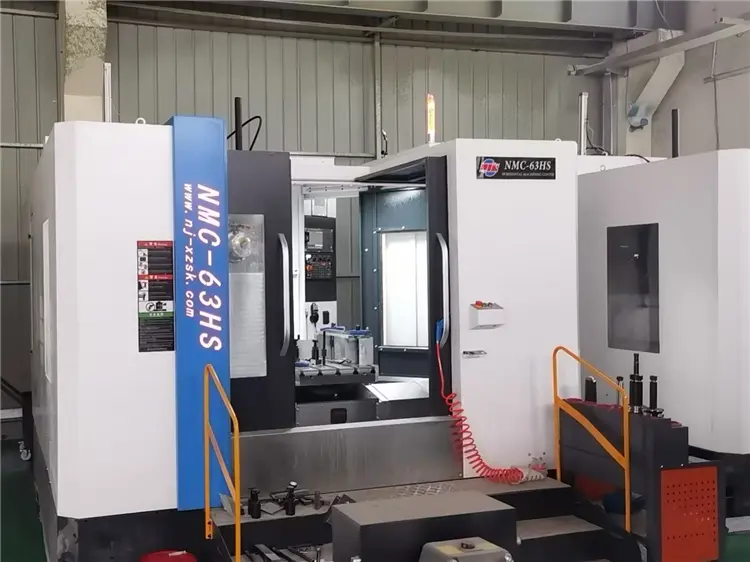
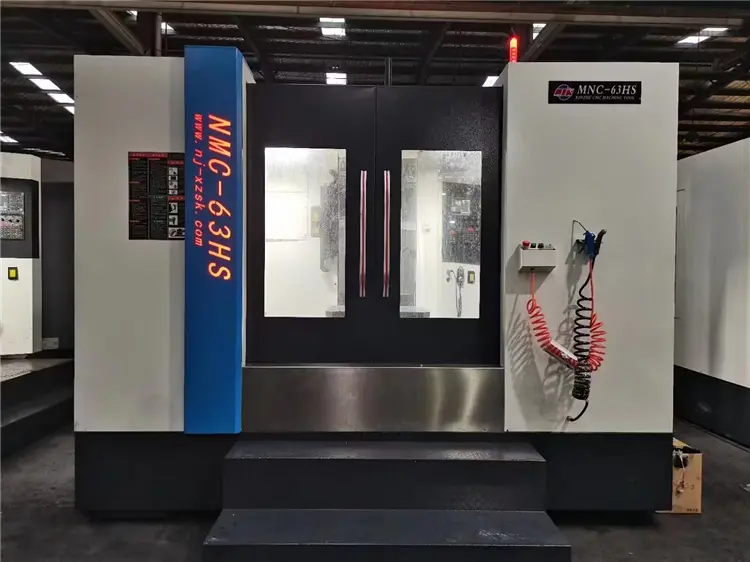
Our company is CE certified and operates under an ISO 9001 quality management system. We are equipped with CNC machines, machining centers, forging and cold forming equipment, as well as physical and chemical testing facilities.
Our valve components are manufactured in accordance with GB, ANSI, JIS, DIN, and BS standards, meeting the conformity requirements of international markets, including Europe.
We machine carbon steel, stainless steel, alloy steel, and special materials such as 410, 420, F304, F316, LF2, A105, 17-4PH, Monel 400, and XM-19, and support custom production based on customer drawings.


In addition to comprehensive product supply, our service level is also outstanding. With rich experience in the industry, we are always able to deeply understand the needs of our customers and meet all kinds of OEM customisation requirements. We ensure on-time delivery, prompt response and take care of all after-sales issues.
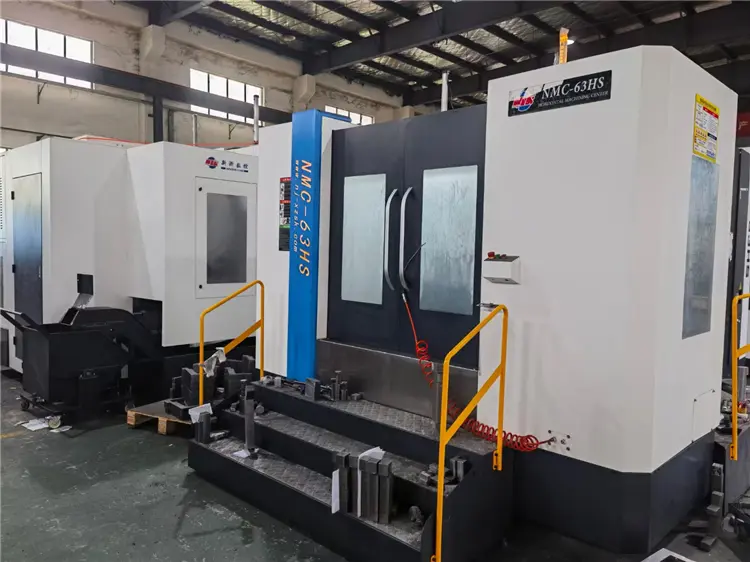
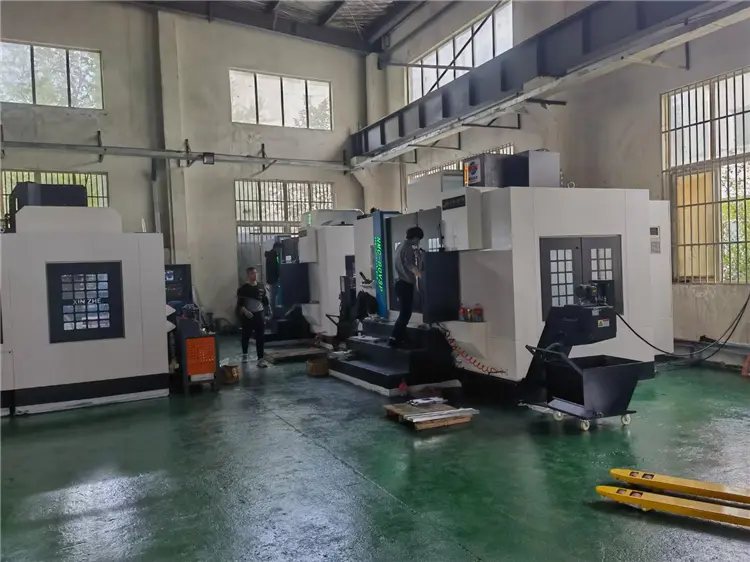
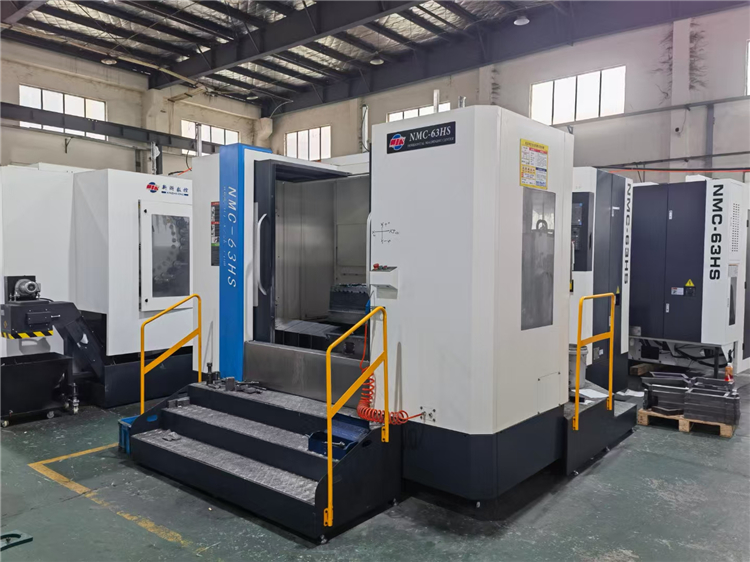
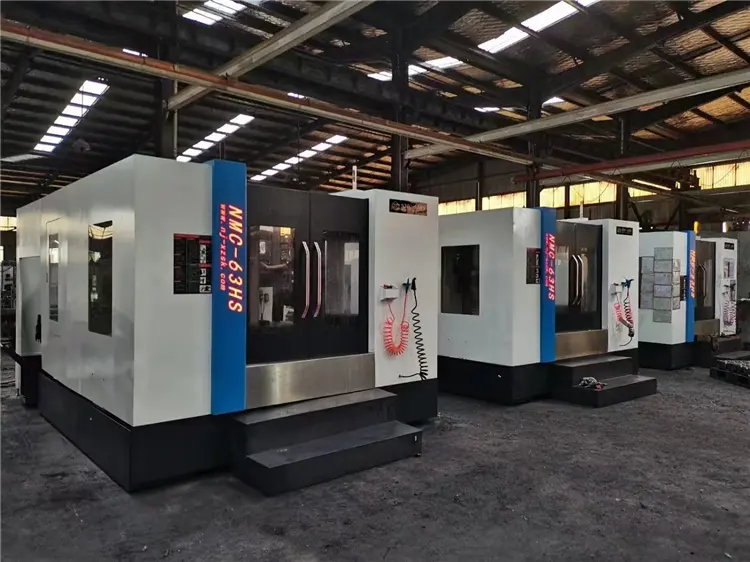
Sichuan Yining Machinery Equipment Co., Ltd. is committed to becoming a trusted partner of global valve companies.
Send Inquiry