Engineered actuation and valve bodies delivering robust leak-free operation across pressurized irrigation networks.
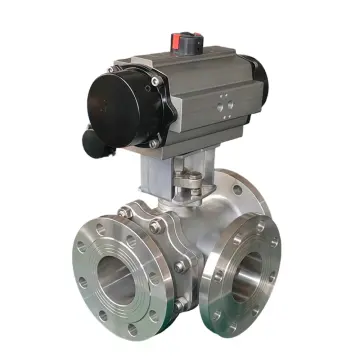
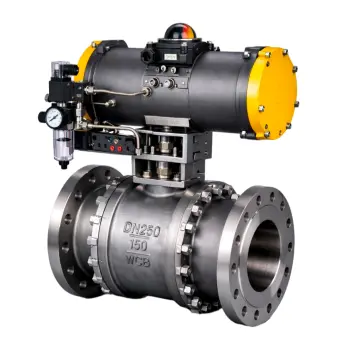
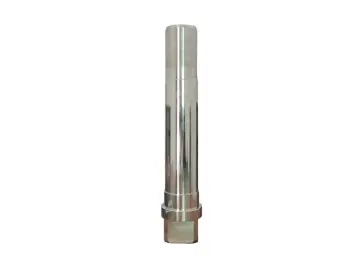
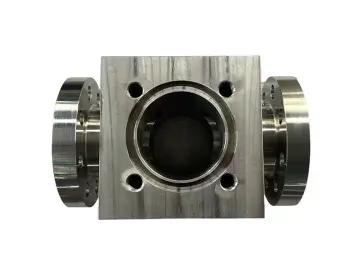
Analyzing operating environments, tribological wear challenges, polymer engineering, and the smart agriculture revolution.
Global agricultural practices are currently undergoing a comprehensive technological transformation. Climate volatility, severe water scarcity, and rising energy costs have elevated precision irrigation from an operational choice to an existential imperative for agribusinesses worldwide. At the mechanical epicenter of every precision drip manifold, automated center pivot, hydraulic filtration station, and chemical fertigation injector lies a valve assembly whose operational reliability depends entirely on the integrity of its elastomeric and thermoplastic seals. A valve seal in an agricultural setting operates under conditions far more erratic and chemically unforgiving than typical indoor industrial fluid pipelines.
Unlike controlled clean-water municipal distribution or closed-loop chemical refining, agricultural water networks transport untreated raw surface water, alluvial well extracts, and recycled wastewater containing suspended silt, particulate silica, micro-algae, dissolved salts, and oxidizing biocides. Consequently, the specialized field of designing and fabricating the seal for valve for agricultural irrigation systems must balance micro-surface tribology, chemical resistance against aggressive fertilizers, hydrolytic stability, ultraviolet resilience, and high elasticity under cyclic thermal fluctuations ranging from near-freezing dawn temperatures to scorching midday soil surfaces.
Formulated rubber compounds and reinforced thermoplastics withstand continuous scouring from riverbed sediment, coarse quartz sand, and iron oxide scale without scoring the sealing face.
Exceptional resistance against concentrated nitrogen-phosphorus-potassium (NPK) liquid fertilizers, sulfur treatments, chlorine flushing, and phosphoric acid descaling agents.
Elastomer molecular memory and robust tensile damping suppress destructive hydraulic pressure spikes caused by sudden fast-closing automation cycles.
The global market for smart irrigation systems and precision flow control components is expanding at an unprecedented rate, projected to sustain strong compound annual growth rates over the coming decade. Key commercial drivers include governmental water consumption quotas, extensive subsidies for subterranean drip irrigation (SDI) deployment in arid zones, and corporate consolidation among commercial greenhouse and orchard growers. Within this commercial framework, the valve seal represents a minor component by direct bill-of-materials cost, yet it bears almost total liability for operational continuity.
A catastrophic failure of a valve seat or stem packing in an isolated pivot sector can lead to thousands of liters of unmetered water waste, severe soil erosion, crop desiccation due to line pressure drops, or devastating pump motor burnouts resulting from dry run or dead-head conditions. Consequently, commercial procurement teams and valve OEMs are pivoting away from generic, uncertified commodity rubber O-rings toward engineered sealing compounds characterized by documented batch traceability, finite element analysis (FEA) verified cross-sections, and internationally recognized manufacturing certifications including ISO 9001 and CE compliance.
Selecting the optimal sealing material for agricultural valves requires a deep examination of fluid chemistry, mechanical stresses, and ambient temperature exposure. The table below outlines the primary engineering materials used across modern agricultural irrigation valves, highlighting their operational thresholds and ideal deployment scenarios.
| Sealing Material | Temperature Range | Abrasion Resistance | Chemical / Fertigation Inertness | Optimal Valve Application |
|---|---|---|---|---|
| EPDM (Peroxide-Cured) | -40°C to +135°C | Excellent | Outstanding against water, mild acids, alkaline fertilizers; poor against oils | Butterfly valve liners, diaphragm valves, gate valve wedge encapsulations |
| NBR (Nitrile Butadiene) | -25°C to +100°C | Very Good | Good against petroleum-based lubricants, standard river water; moderate UV stability | Pneumatic actuator cylinder seals, standard line ball valve O-rings |
| FKM / Viton | -20°C to +200°C | Moderate to Good | Exceptional resistance to concentrated agricultural acids, chemicals, and oxidizers | Fertigation dosing pumps, chemical injection manifolds, high-heat solar lines |
| Virgin & Modified PTFE | -200°C to +260°C | Low (creep prone) | Universal chemical inertness, near-zero friction coefficient | Ball valve seats, valve stem chevron packings, rotary seals |
| Polyurethane (PU) | -30°C to +80°C | Extreme Superiority | Good water resistance; susceptible to strong acids and hot hydrolytic degradation | Hydraulic valve wiper seals, slurry line check valve flappers, sand separator seals |
To fully appreciate the demanding requirements placed upon valve seals, one must scrutinize the micro-environments of various agricultural irrigation stages:
1. Automatic Media and Disc Filtration Backwash Stations: Deep-bed sand filters and automated disc filters extract massive quantities of suspended solids from canal and reservoir water. During normal filtration, seals maintain positive shutoff under system operating pressures (typically 3 to 8 bar). However, during automated high-velocity backwash cycles, three-way backwash valves shift positions within milliseconds. The valve seal faces an abrasive slurry moving at velocities exceeding 4 meters per second. Micro-silica particles become momentarily trapped between the sealing seat and the closing gate or disc. Standard elastomers quickly develop pitting and micro-tears under this action, leading to cross-contamination between raw water and clean filtered irrigation lines. High-durometer, peroxide-cured EPDM bonded to rigid 304 or 316 stainless steel cores eliminates seal deformation and resists particulate embedding.
2. Fertigation and Chemigation Injection Blocks: Precision agriculture relies heavily on injecting liquid nutrients directly into the irrigation stream. This process exposes metering and control valves to highly concentrated solutions of urea ammonium nitrate, potassium chloride, nitric acid (for pH correction and emitter unclogging), and copper-based fungicides. Valve seals formulated from generic sulfur-cured elastomers suffer rapid plasticizer leaching, severe hardening, cracking, and loss of tensile elasticity within weeks. Fluorocarbon elastomers (FKM) and glass-filled PTFE seats are mandatory in these specialized manifold branches to ensure continuous sealing integrity and prevent environmental contamination of surrounding groundwater tables.
3. Center Pivot and Lateral Move Span Regulators: Mechanized center pivot machines stretch over hundreds of meters of undulating terrain, with pressure regulators and zone control valves suspended along each overhead span. These assemblies are subjected to continuous mechanical vibration, relentless solar ultraviolet (UV) radiation, and extreme ambient temperature differentials between blazing daytime heat and chilly desert nights. Stem seals and flange gaskets must retain their compressive recovery across thousands of diurnal cycles without experiencing permanent compression set. Premature seal relaxation leads to systemic drip losses that destroy water application uniformity across the crop canopy.
4. Subsurface Drip Irrigation (SDI) and Air Release Manifolds: SDI represents the highest tier of water efficiency, delivering water directly to root zones below the soil surface. When an irrigation cycle concludes and water drains, severe vacuum conditions develop within underground lines, pulling surrounding soil particles into emitter orifices. Automatic air/vacuum relief valves installed at network summits prevent pipe collapse by rapidly drawing in air, and then snapping closed as pressurized water arrives. The valve seals in these air release valves must form instantaneous, low-pressure hermetic seals against floating or sliding orifices without adhering, sticking, or tearing even after remaining stationary for months during non-growing seasons.
The convergence of the Internet of Things (IoT), edge-computing machine learning algorithms, and advanced material engineering is ushering in an era of intelligent agricultural fluid networks. Traditionally, valve seal maintenance in sprawling agricultural estates followed a reactive or calendar-based protocol—technicians replaced seals only after visible puddling occurred or during seasonal overhauls. In modern high-efficiency operations, acoustic emission sensors and differential pressure transducers integrated into valve manifolds continuously monitor acoustic leak signatures and pressure decay rates. AI diagnostic models can detect the microscopic beginnings of seal wire-drawing or seat cavitation long before external leakage manifests, scheduling automated maintenance alerts. Simultaneously, advancements in polymer nanotechnology—such as graphene-doped elastomer matrices—are doubling the mechanical tensile strength and cut-growth resistance of agricultural valve seals, effectively extending service life and guaranteeing dependable crop hydration across global farming frontiers.
Sichuan Yining Machinery Equipment Co., Ltd. was established in 2005 and is a company specializing in the production and manufacturing of various types of valves and finished valve accessories. Over the years, we have been dedicated to the field of valves and are committed to providing high-quality and high-performance products and solutions to customers worldwide.
The company has always adhered to the business philosophy that "Quality is the boss, quality is our salary", insisting on taking quality as the core and regarding stable and reliable product quality as the solid foundation for long-term cooperation with customers. We are well aware that high-quality products and stable delivery capabilities are the keys to the continuous development of an enterprise.
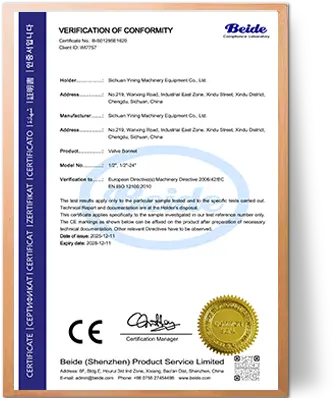
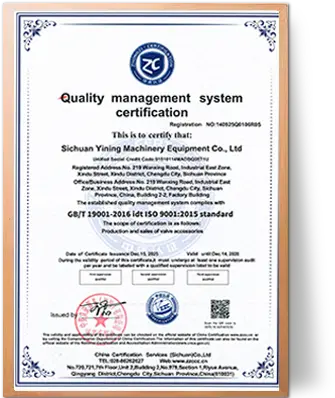
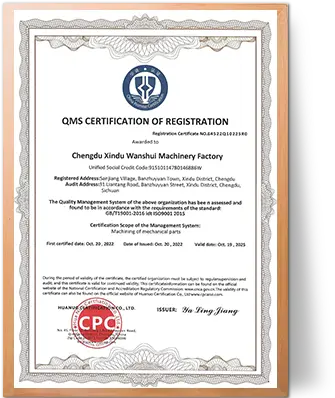
The company has passed the ISO9001 quality management system certification and CE certification, and strictly follows international standards for production and quality control to ensure that every product meets industry and customer requirements.
With years of manufacturing experience and mature production techniques, we have a professional technical and management team with rich theoretical knowledge and practical experience. We adhere to the development direction of "conceptual innovation, technological innovation, and management innovation", constantly improving product quality and enterprise competitiveness.
In the future, Sichuan Yining Machinery Equipment Co., Ltd. will continue to take outstanding quality as the core, customer demands as the orientation, and join hands with partners to create a long-term, stable and mutually beneficial win-win cooperative relationship.
 +86-15208308717


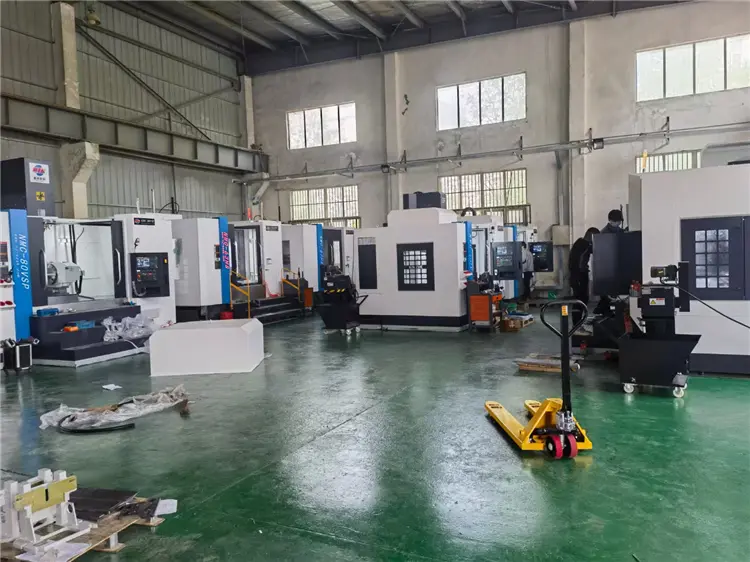
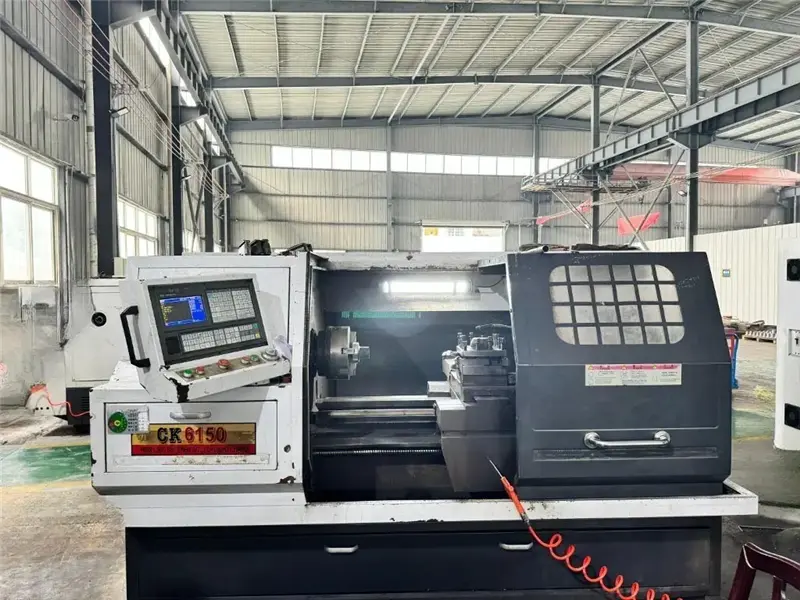
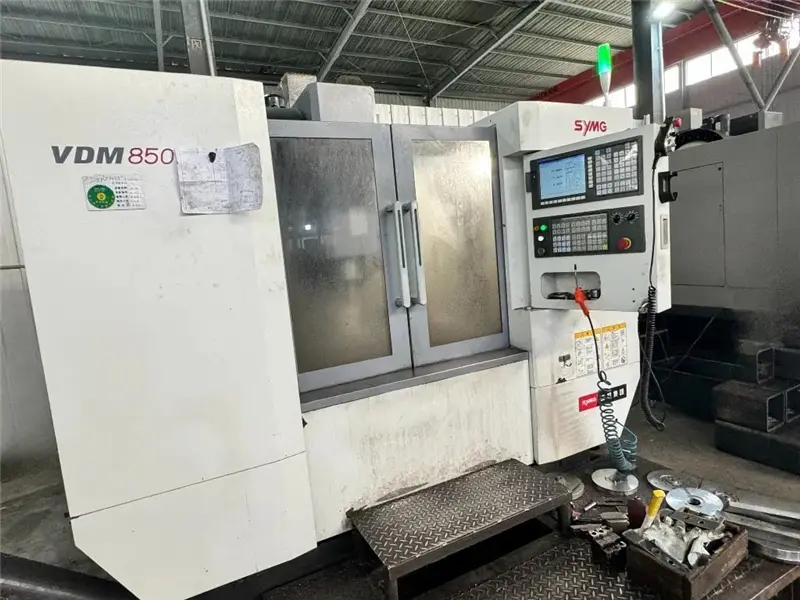
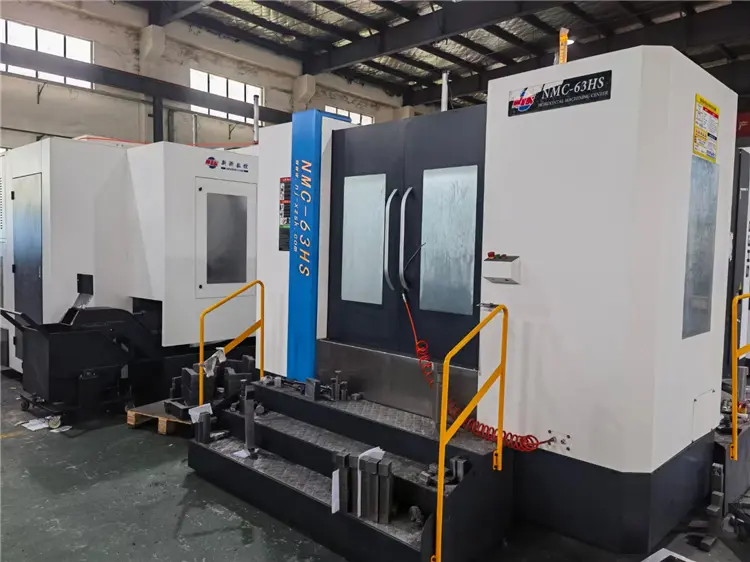
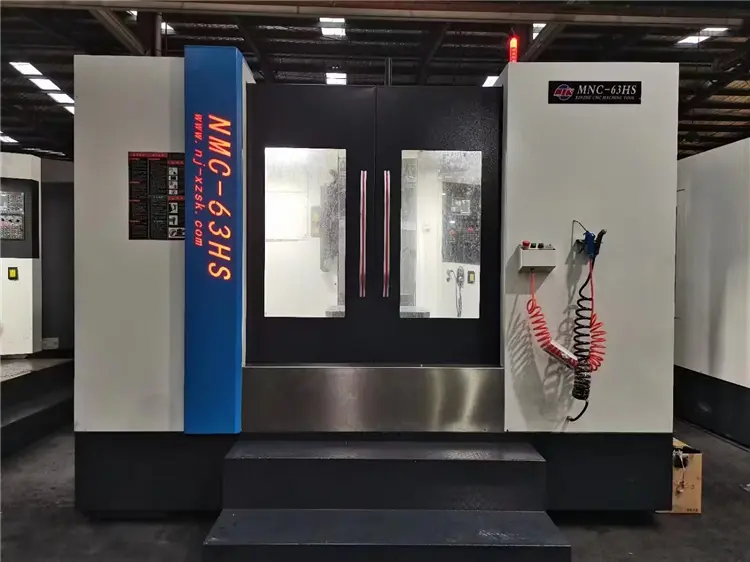
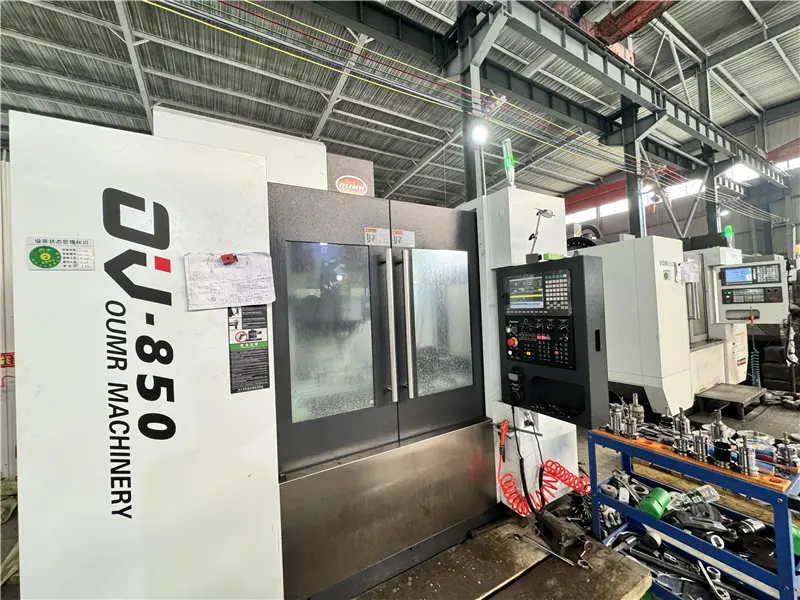
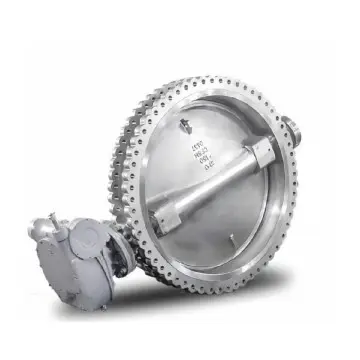
Comprehensive valve configurations and precision mechanical couplings delivering long-term reliability in agricultural fluid infrastructures.

Sichuan Yining Machinery Equipment Co., Ltd. is committed to becoming a trusted partner of global valve companies.