Engineered for high thermal efficiency, tight sealing, and long-term durability in modern cooling systems
Understanding the commercial landscape, technological shifts, and regulatory drivers
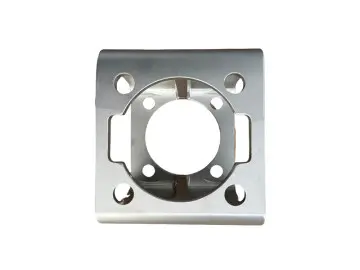
The global heating, ventilation, air conditioning, and refrigeration (HVAC/R) industry is undergoing a massive transformation. Driven by rapid urbanization, climate change, and stringent environmental regulations, the demand for highly efficient, reliable, and leak-free thermal management systems has never been higher. At the heart of these systems are industrial valves and their associated accessories. Valve accessories, including brackets, balls, stems, transition plates, and couplings, serve as the critical interface between the mechanical flow control elements and the automation systems. Without high-precision accessories, even the most advanced valve body cannot perform its duty of regulating refrigerants, chilled water, or steam.
According to recent market research, the global industrial valve accessories market for HVAC and refrigeration is projected to grow significantly, fueled by the adoption of smart building technologies and the transition to low-GWP (Global Warming Potential) refrigerants.
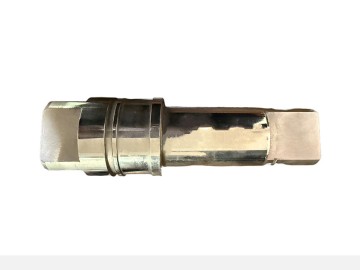
In modern commercial HVAC systems, energy efficiency is the primary metric. Large-scale chillers, heat pumps, and air handling units (AHUs) rely on precise modulation of flow rates. This modulation is achieved through automated control valves that require durable brackets and couplings to translate actuator torque into valve stem rotation without hysteresis. In industrial refrigeration, particularly in ammonia (NH3) or carbon dioxide (CO2) systems, safety and leak prevention are paramount. The high operating pressures of transcritical CO2 systems (often exceeding 120 bar) place immense mechanical stress on valve stems, balls, and brackets, necessitating the use of high-strength materials like 17-4PH stainless steel and carbon steel with advanced surface treatments.
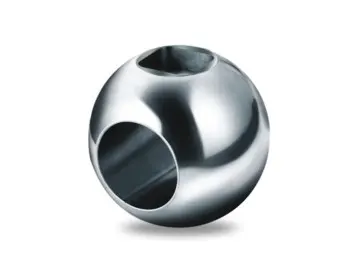
1. Decarbonization and Natural Refrigerants: The phase-down of hydrofluorocarbons (HFCs) under the Kigali Amendment has accelerated the adoption of natural refrigerants such as R744 (CO2), R717 (Ammonia), and hydrocarbons (like Propane R290). These alternatives present unique engineering challenges. Ammonia is highly corrosive to copper, requiring stainless steel or specialized carbon steel valve components. Carbon Dioxide systems operate at much higher pressures than traditional systems, demanding precision-machined valve balls with fixed (trunnion) structures to handle high differential pressures without deformation.
2. Smart HVAC and IoT Integration: The integration of Internet of Things (IoT) sensors and smart actuators into valve assemblies is a growing trend. Valve brackets must now accommodate electronic feedback devices, limit switches, and smart positioners. Precision alignment between the valve stem, bracket, and actuator is critical to prevent lateral loads on the valve packing, which is a leading cause of fugitive emissions and refrigerant leaks.
3. Advanced Material Science: The use of 316L stainless steel, duplex steels, and nickel alloys has become standard for critical refrigeration accessories. Transition plates and brackets are frequently customized with sandblasted finishes or specialized coatings to withstand corrosive environments, such as coastal installations or chemical processing plants where HVAC systems are exposed to harsh atmospheres.
How precision valve accessories solve engineering challenges in critical environments
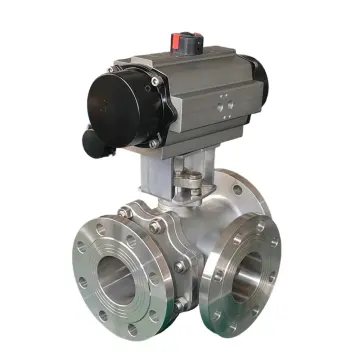
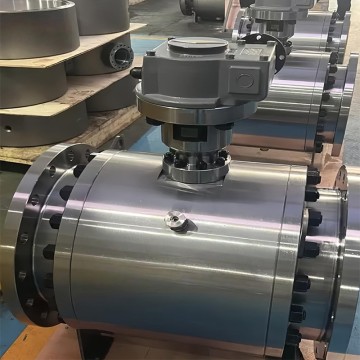
Large-scale chillers and heat pumps are the heart of commercial HVAC systems in skyscrapers, hospitals, and shopping malls. These units utilize water or refrigerants to transfer heat. The valves controlling the evaporator and condenser loops must handle massive flow rates. Trunnion-mounted ball valves are commonly used in these applications due to their ability to withstand high differential pressures. The valve ball is fixed by a trunnion, and the seats press against the ball. Precision machining of the valve ball is critical; any surface roughness can damage the soft seats, leading to internal bypass leaks. Transition plates and brackets in these units must resist vibration, which is common near large compressors.
Cold storage facilities, blast freezers, and refrigerated transport require temperatures ranging from -20°C to as low as -60°C. At these cryogenic and sub-zero temperatures, standard materials can undergo ductile-to-brittle transition, making them prone to sudden catastrophic failure. Valve accessories used in the cold chain must be manufactured from materials that retain their impact toughness at low temperatures, such as F304 or F316 stainless steel. Additionally, extended stems (bonnets) are often required to position the actuator packing away from the cold fluid, preventing ice formation on the actuator linkage.
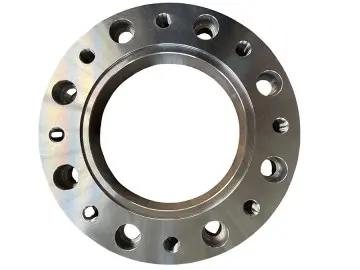
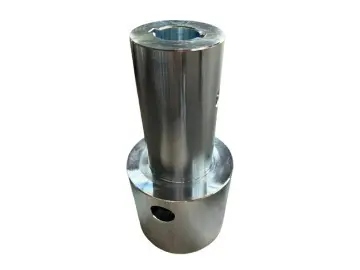
District cooling and heating systems distribute thermal energy from a central source to entire neighborhoods or campuses. These systems feature long piping networks with high static pressures. The valves in these networks undergo frequent thermal expansion and contraction. Heavy-duty carbon steel valve brackets with sandblasted steel bodies provide the necessary structural rigidity to withstand these external piping stresses. Couplings made from AISI 1045 steel ensure that the high torque required to operate large-diameter valves is transmitted safely without deformation.
Data centers generate massive amounts of heat and require continuous, uninterrupted cooling. A failure in the HVAC system can lead to server overheating and costly downtime. Here, reliability is the ultimate requirement. Valves must operate flawlessly with minimal maintenance. The brackets and couplings must be designed for zero-backlash operation, ensuring that control valves respond instantly to temperature fluctuations. 316L stainless steel transition plates are often utilized in these environments to prevent corrosion from condensation, ensuring a long, trouble-free service life.
Meeting the strict demands of global HVAC and industrial refrigeration standards
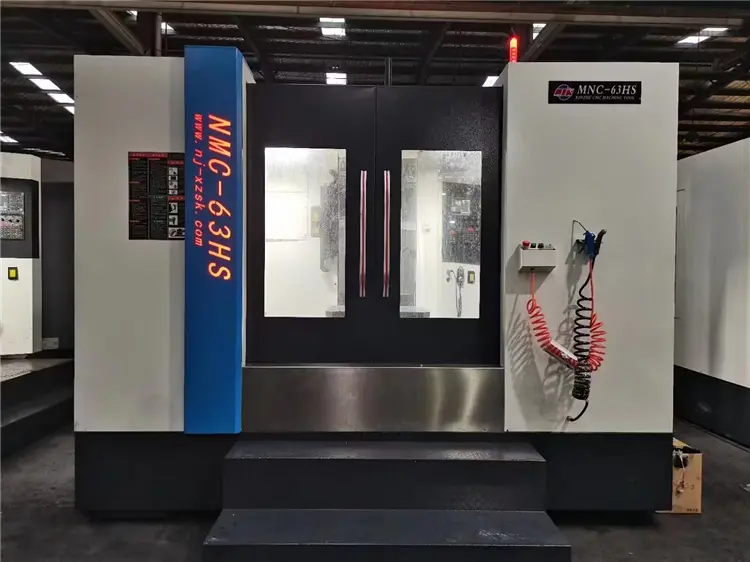
To meet the stringent demands of the HVAC and refrigeration sectors, manufacturers must employ state-of-the-art machining and quality control processes. CNC machining centers ensure dimensional tolerances within microns, which is crucial for parts like valve balls and stems where tight seals are required. Forging and cold forming processes enhance the grain structure of the metals, improving their mechanical strength and fatigue resistance.
Material selection is a critical engineering decision. The table below highlights the common materials used in industrial valve accessories and their specific applications in HVAC/R:
| Material Group | Common Grades | Key Properties | HVAC/R Application |
|---|---|---|---|
| Carbon Steel | AISI 1045, A105, LF2 | High strength, cost-effective, tough | Couplings, heavy-duty brackets, low-temp service (LF2) |
| Stainless Steel | F304, F316, 316L | Excellent corrosion resistance, low-temp toughness | Valve balls, stems, transition plates for corrosive environments |
| Precipitation Hardening | 17-4PH (630) | Ultra-high strength, good corrosion resistance | High-torque valve stems in high-pressure CO2 systems |
| Special Alloys | Monel 400, XM-19 | Extreme corrosion resistance, high tensile strength | Marine refrigeration, chemical-heavy HVAC installations |
Quality standards such as ISO 9001 and CE certification are non-negotiable. Physical and chemical testing, including non-destructive testing (NDT), dye penetrant testing, and ultrasonic testing, must be conducted to detect any internal defects in the castings or forgings. Compliance with international standards (GB, ANSI, JIS, DIN, BS) ensures that the valve accessories can be seamlessly integrated into global projects.
Sichuan Yining Machinery Equipment Co., Ltd. was established in 2005 and is a company specializing in the production and manufacturing of various types of valves and finished valve accessories. Over the years, we have been dedicated to the field of valves and are committed to providing high-quality and high-performance products and solutions to customers worldwide.
The company has always adhered to the business philosophy that "Quality is the boss, quality is our salary", insisting on taking quality as the core and regarding stable and reliable product quality as the solid foundation for long-term cooperation with customers. We are well aware that high-quality products and stable delivery capabilities are the keys to the continuous development of an enterprise.
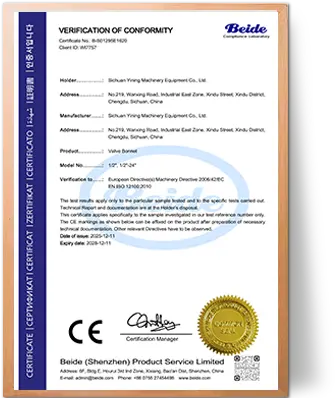
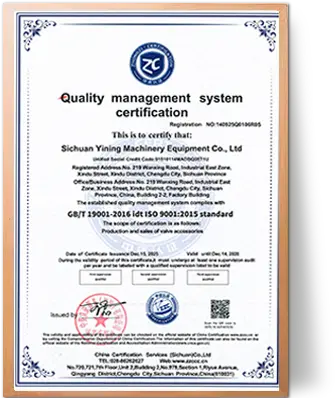
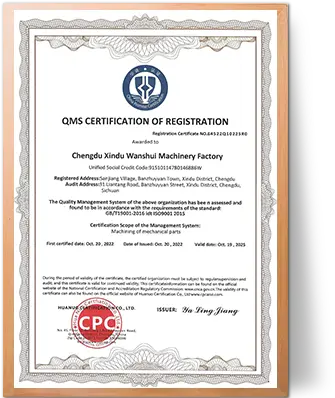
The company has passed the ISO9001 quality management system certification and CE certification, and strictly follows international standards for production and quality control to ensure that every product meets industry and customer requirements.
With years of manufacturing experience and mature production techniques, we have a professional technical and management team with rich theoretical knowledge and practical experience. We adhere to the development direction of "conceptual innovation, technological innovation, and management innovation", constantly improving product quality and enterprise competitiveness.
In the future, Sichuan Yining Machinery Equipment Co., Ltd. will continue to take outstanding quality as the core, customer demands as the orientation, and join hands with partners to create a long-term, stable and mutually beneficial win-win cooperative relationship.
 +86-15208308717
Certified quality management and international compliance for global HVAC/R projects
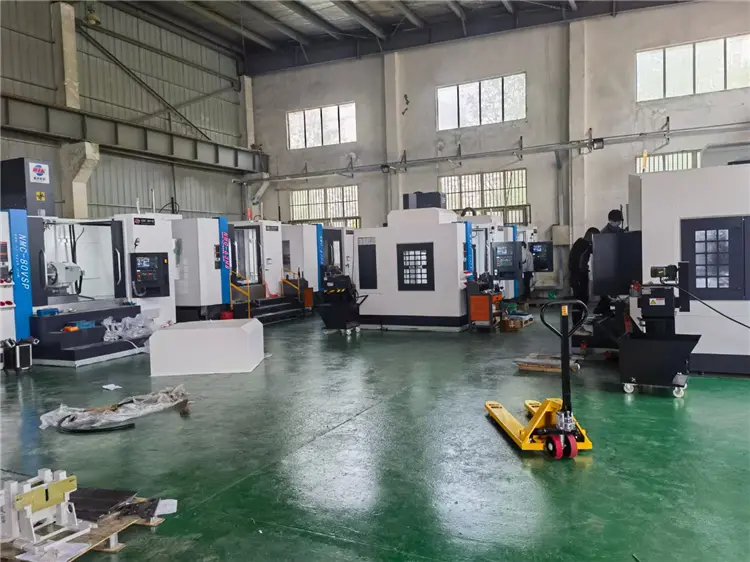
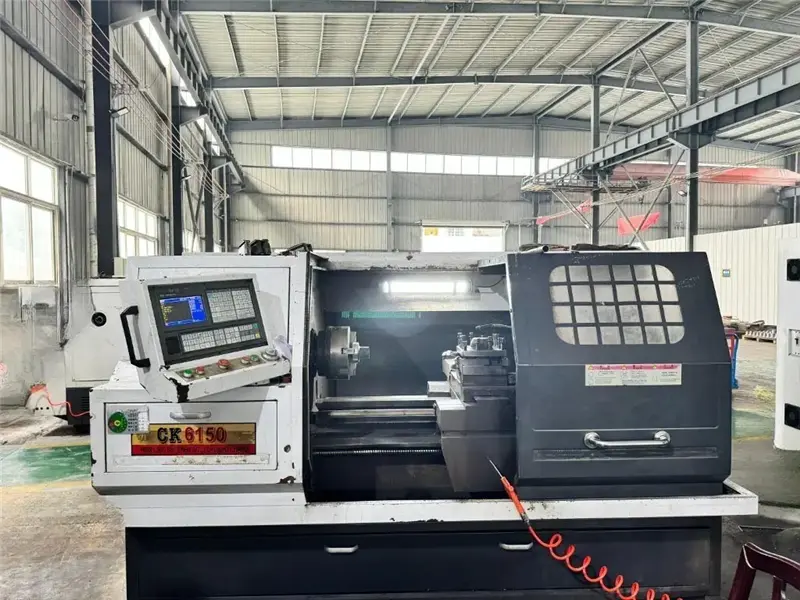
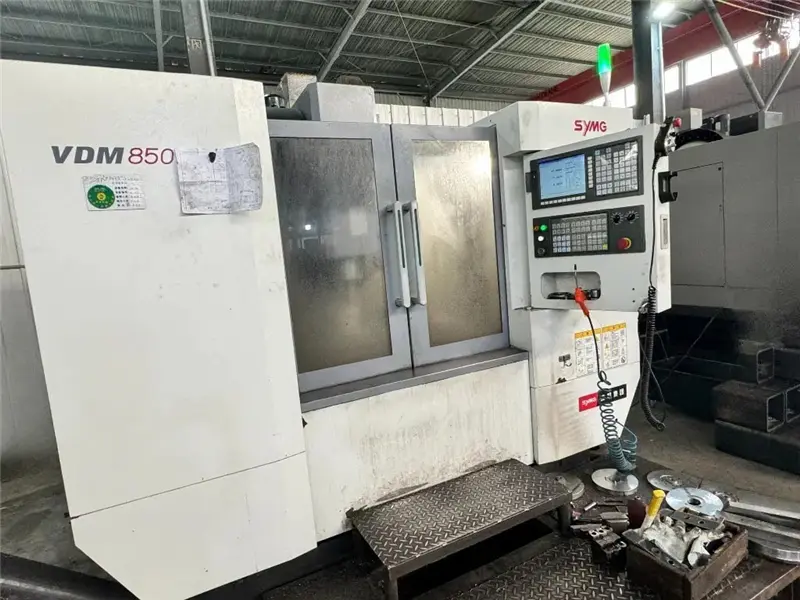
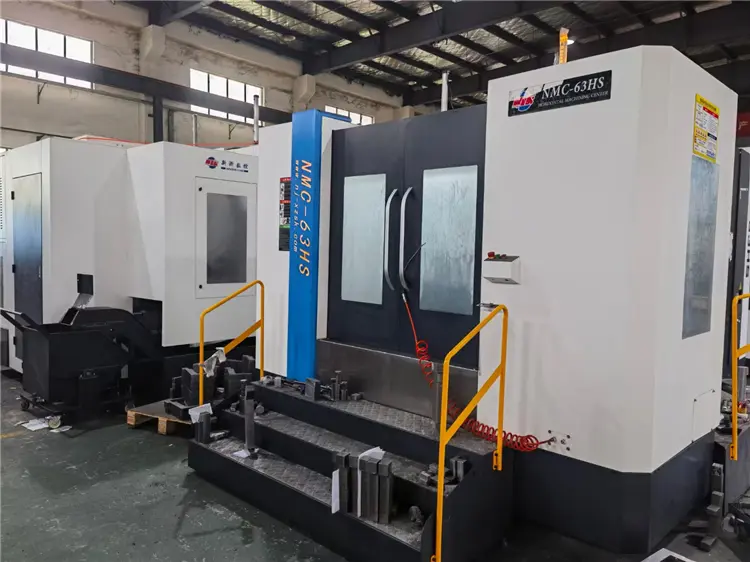
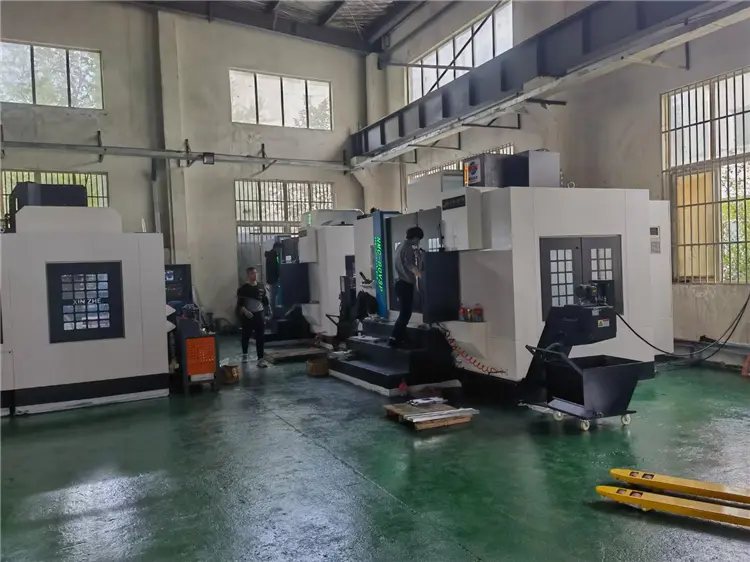
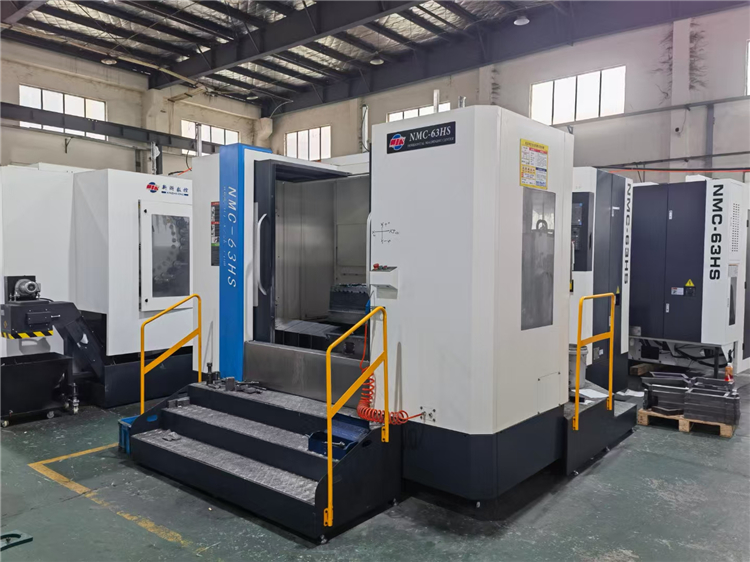
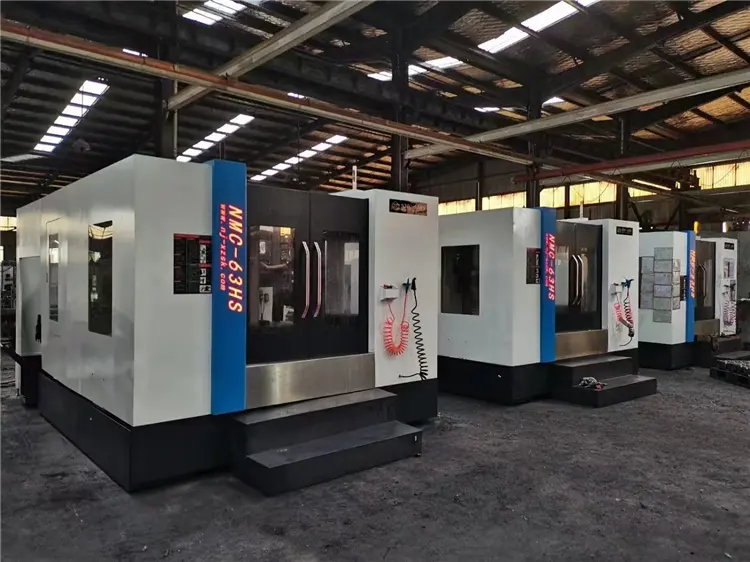
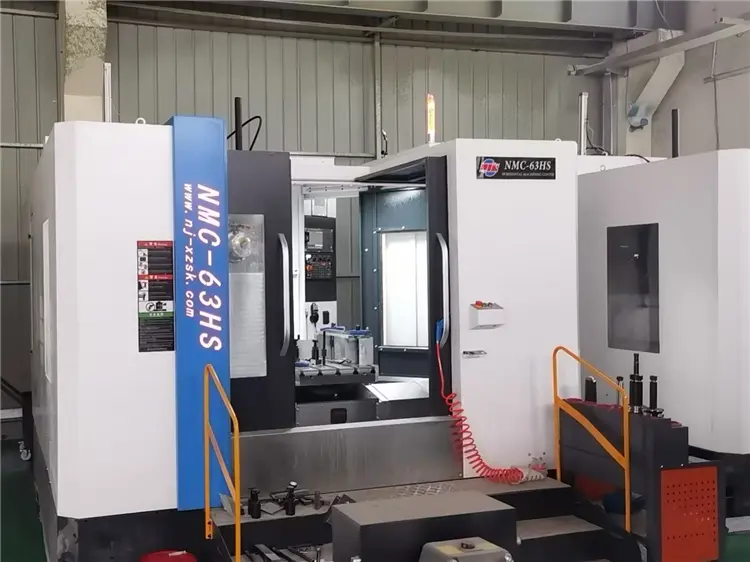
Our company is CE certified and operates under an ISO 9001 quality management system. We are equipped with CNC machines, machining centers, forging and cold forming equipment, as well as physical and chemical testing facilities. Our valve components are manufactured in accordance with GB, ANSI, JIS, DIN, and BS standards, meeting the conformity requirements of international markets, including Europe.
We machine carbon steel, stainless steel, alloy steel, and special materials such as 410, 420, F304, F316, LF2, A105, 17-4PH, Monel 400, and XM-19, and support custom production based on customer drawings.


In addition to comprehensive product supply, our service level is also outstanding. With rich experience in the industry, we are always able to deeply understand the needs of our customers and meet all kinds of OEM customisation requirements. We ensure on-time delivery, prompt response and take care of all after-sales issues.
Explore our full range of customizable accessories for industrial HVAC and refrigeration systems
Sichuan Yining Machinery Equipment Co., Ltd. is committed to becoming a trusted partner of global valve companies. Contact our engineering team for customized solutions today.
Get a Free Quote