Top 10 Industrial Valve Accessories You Need for Global Sourcing
In the competitive landscape of global sourcing, the right Industrial Valve Accessories can significantly enhance operational efficiency. Renowned industry expert John Doe once stated, "Quality accessories streamline production and reduce downtime." This highlights the importance of choosing the right accessories tailored to specific valve types and applications.
Understanding the nuances of Industrial Valve Accessories is crucial. For instance, actuators, positioners, and controllers play a pivotal role in ensuring smooth operations. Selecting accessories that fit seamlessly with existing systems can be challenging. Misaligned components often lead to inefficiencies and increased costs. This can be frustrating for companies striving for excellence.
Moreover, sourcing these accessories from reliable suppliers is imperative. Not all accessories are created equal, and quality can vary greatly. Businesses must commit to rigorous testing and evaluation. Reflecting on past mistakes in accessory selection can lead to improved choices in the future. By prioritizing quality and compatibility, companies can elevate their industrial processes and achieve better outcomes.
Essential Industrial Valve Accessories for Optimal Performance
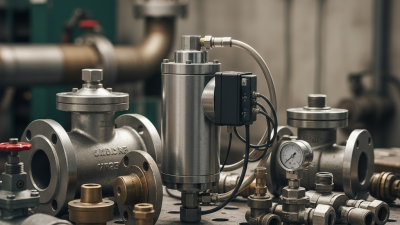
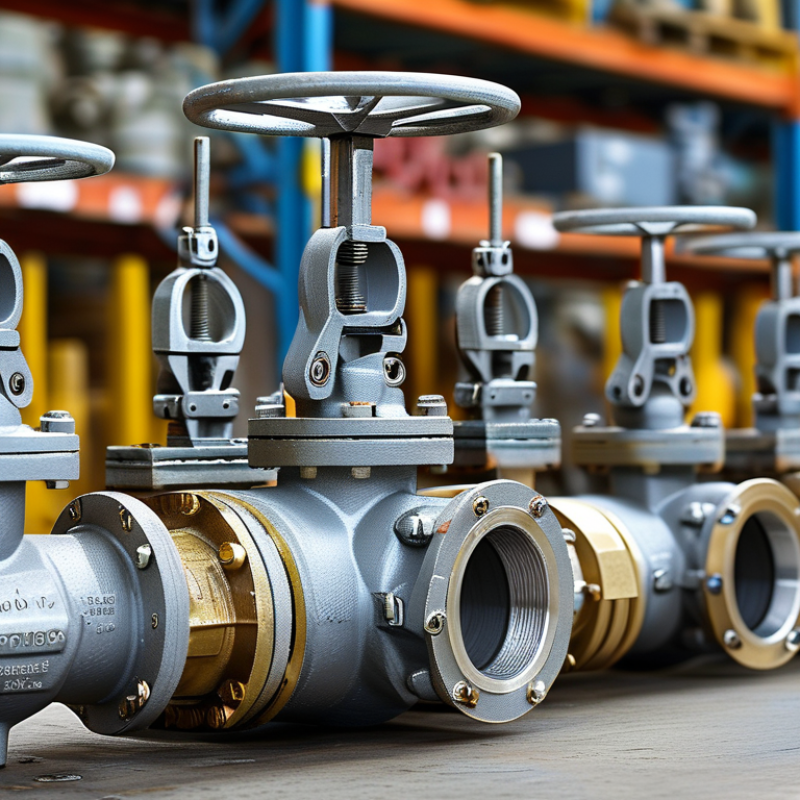
In today's industrial landscape, optimal performance of valves hinges on the right accessories. Reports indicate that up to 30% of valve failures stem from inadequate or incompatible accessories. Reliable accessories can enhance efficiency and prolong valve life. Common examples include actuators, positioners, and gauges. Each accessory plays a vital role in ensuring seamless operations.
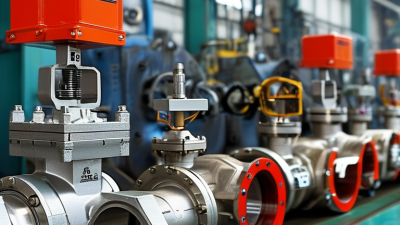
Consider pneumatic actuators. They offer precise control over valve movement. A study shows they can boost operational efficiency by up to 20%. On the other hand, neglecting maintenance can lead to system inefficiencies. Positioners help to minimize valve hysteresis, enhancing accuracy in flow control. Yet, many users overlook their installation. Such oversights can cause unnecessary downtime.
Furthermore, pressure gauges provide critical data for monitoring system health. A malfunctioning gauge can mislead operators. This highlights the importance of regular calibration and checks. By integrating these accessories thoughtfully, industries can work toward more resilient systems. Investing in quality accessories is not just an option; it’s essential for sustainable operations.
Key Features to Look for in Valve Accessories for Global Sourcing
When sourcing industrial valve accessories globally, understanding key features is crucial. Compatibility, durability, and performance impact overall functionality. Quality valve accessories enhance efficiency and reduce operational risks. Based on industry reports, a staggering 70% of sourcing managers cite quality as their top priority.
When evaluating valve accessories, consider material composition. Many reliable options utilize stainless steel for corrosion resistance. Reports indicate that materials account for nearly 50% of various accessory failures. Thus, prioritize accessories crafted from robust materials.
Tip: Always verify certifications and test reports before purchasing. Independent certifications serve as a guarantee of quality. Additionally, consider the supplier's experience in the industry. Suppliers with a proven track record are more likely to provide reliable products.
Lastly, adaptability is essential. Ensure accessories can accommodate different valve sizes and types. Some sources suggest that up to 30% of projects face delays due to compatibility issues. Addressing this concern early can save time and resources.
Top 10 Industrial Valve Accessories You Need for Global Sourcing
| Accessory Name |
Key Features |
Material |
Compatibility |
Price Range (USD) |
| Actuators |
Electric, Pneumatic, Hydraulic |
Aluminum, Stainless Steel |
Various Valves |
$200 - $2,000 |
| Positioners |
Smart, Analog, Digital |
Plastic, Metal |
Various Actuators |
$150 - $1,500 |
| Solenoid Valves |
Direct Acting, Pilot Operated |
Brass, Stainless Steel |
Pneumatic Systems |
$50 - $500 |
| Filters |
Strainers, Coalescing |
Stainless Steel |
Hydraulic Systems |
$30 - $300 |
| Gaskets and Seals |
High-Temperature, Chemical Resistant |
Rubber, PTFE |
Various Valves |
$10 - $100 |
| Actuation Accessories |
Mounting Kits, Limit Switches |
Plastic, Metal |
Pneumatic & Electric Actuators |
$20 - $400 |
| Remote Control Systems |
Wireless, Bluetooth |
Plastic, Metal |
Various Valves and Actuators |
$100 - $1,000 |
| Flow Meters |
Magnetic, Ultrasonic |
Plastic, Metal |
Fluid Systems |
$200 - $2,500 |
| Pressure Regulators |
Adjustable, Fixed |
Brass, Stainless Steel |
Gas & Liquid Systems |
$50 - $500 |
| Bonnet Kits |
Standard, High-Efficiency |
Steel, Alloy |
Various Valves |
$100 - $1,000 |
Top Manufacturers and Suppliers of Valve Accessories Worldwide
When sourcing industrial valve accessories globally, understanding the market is crucial. Many regions specialize in specific types of accessories. Examining these areas can streamline your sourcing process. North America excels in high-quality actuator technologies, while Europe is known for innovative control systems. Exploring these geographies allows buyers to tap into local expertise.
Leading manufacturers often emphasize reliability and performance. Their accessories should meet international standards, ensuring safety and efficiency. Engage with suppliers that have robust certification processes. This helps in securing parts that stand the test of time. Not every manufacturer maintains the same level of quality. Careful vetting is essential for long-term partnerships.
Online platforms facilitate global connections, but challenges exist. Differences in language and culture can complicate negotiations. Researching supplier histories aids in identifying trustworthy partners. It is also wise to request samples before committing to larger orders. This way, the products can be tested for functionality and durability. Balancing cost and quality will ultimately enhance your sourcing strategy.
Cost Considerations and Budgeting for Valve Accessory Procurement
When procuring industrial valve accessories, cost considerations are crucial. Buyers often face budget constraints and varying prices in the market. Understanding each component’s functionality can help differentiate between necessities and luxuries. Researching pricing trends will uncover potential savings in bulk purchasing.
Budgeting for valve accessories requires a strategic approach. Analyze your operational needs and prioritize equipment. Not all accessories are essential, and over-purchasing can stretch funds unnecessarily. It's beneficial to create a list of must-have items first, then explore options for second-tier accessories.
However, navigating procurement isn't straightforward. Quality and reliability may vary across suppliers. Skimping on price can lead to increased costs later due to poor performance. Regular evaluation of suppliers can reveal who consistently delivers value. In the end, making informed decisions influences both immediate and long-term financial health.
Innovations and Trends in Industrial Valve Accessory Technology
In the evolving landscape of industrial valve accessory technology, innovation plays a crucial role. Smart technologies are increasingly integrated into valve accessories. This enhances functionality and improves efficiency. Sensors are now used to monitor performance in real-time. They provide valuable data, reducing downtime and maintenance costs.
Another trend is the shift towards sustainable materials. These materials are not only eco-friendly but also reduce the overall carbon footprint. The emphasis on durability is also growing. Accessories made from high-strength alloys last longer and withstand harsh environments. However, these advancements present challenges. Manufacturers need to balance cost and quality effectively.
Emerging technologies like AI and IoT are reshaping how these accessories work. Predictive analytics now help in anticipating failures before they occur. This proactive maintenance approach is transforming industries. Still, not all organizations have adopted these innovations. Some still rely on traditional methods, which may hinder their competitiveness. Embracing change is critical for growth and innovation.