10 Essential Tips for Choosing Anti-Blowout Stem for Your Needs?
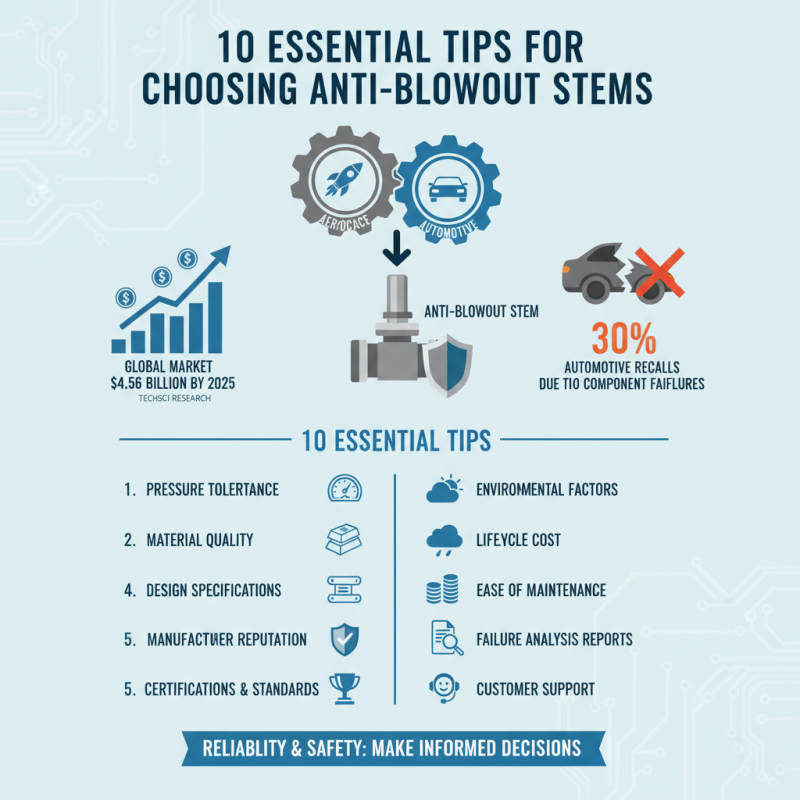
When selecting an Anti-Blowout Stem, the stakes are high. This component is crucial for performance and safety in various industries, including aerospace and automotive. According to a recent industry report by TechSci Research, the anti-blowout valve market is projected to reach $4.56 billion by 2025, reflecting a growing demand for reliability and durability.
Choosing the right Anti-Blowout Stem involves understanding specific needs and application contexts. Factors like pressure tolerance, material quality, and design specifications should be scrutinized. Manufacturers often highlight their innovations, but differentiating between trustworthy sources and overzealous marketing claims can be challenging.
Moreover, past failures in the field raise questions about standards. An estimated 30% of product recalls in the automotive sector are due to component failures. Customers must be vigilant and proactive in their selections. This guide aims to provide clear, actionable insights for making informed decisions on Anti-Blowout Stems that meet both safety and operational requirements.
Understanding the Importance of Anti-Blowout Stems in Various Applications
Choosing the right anti-blowout stem is crucial for safety in various applications. These components are vital in preventing failures that can lead to accidents or damage. Understanding their importance can help you make informed choices.
When selecting an anti-blowout stem, consider the specific demands of your application. Analyze the pressure levels, temperatures, and materials involved. Different environments can affect the performance of these components. For example, high-temperature settings may require specialized materials. Don't overlook any detail that could impact effectiveness.
Tip: Always evaluate the compatibility of the stem with existing systems. Incompatibility can lead to inefficiencies or even catastrophic failure. Inspection of the installation area is also essential. Ensure that there are no hidden risks, such as corrosion or wear, that could compromise performance.
Another tip: Seek advice from industry experts. Gaining insights from those with experience can save you time and resources. They can highlight common pitfalls or effective practices. Making choices based on experience can enhance reliability and safety. Always question if there is room for improvement in your selection process.
Key Features to Look for When Selecting an Anti-Blowout Stem
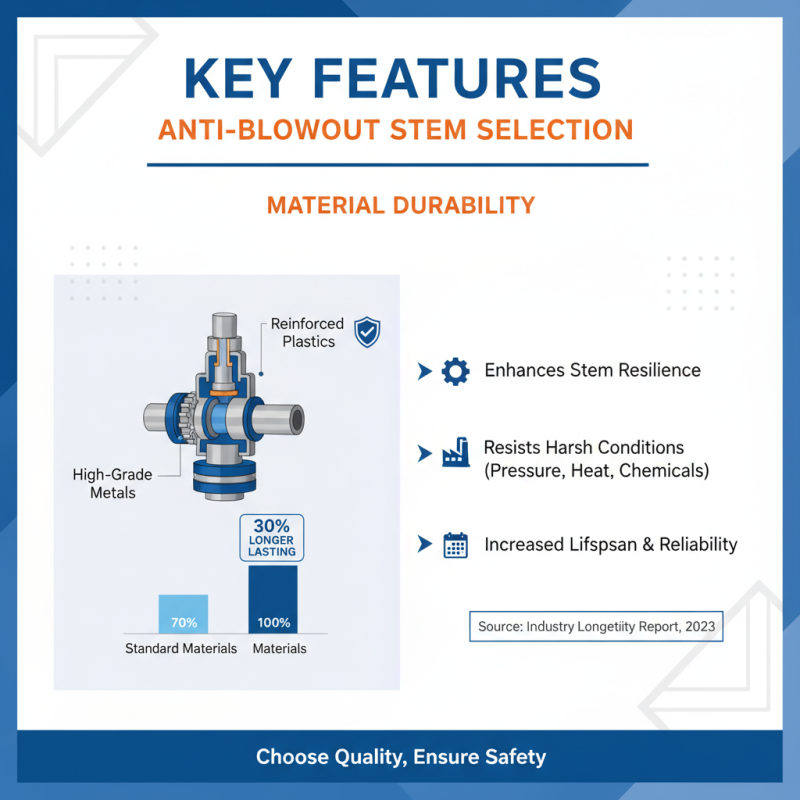
When choosing an anti-blowout stem, understanding essential features can significantly improve your decision. Focus on material durability. High-quality materials, such as reinforced plastics and metals, enhance the stem's resilience. According to a recent industry report, products made from these materials can last up to 30% longer in harsh conditions.
Consider the design of the stem. A well-engineered stem promotes better airflow. This feature is crucial for preventing blowouts, especially in high-pressure environments. Research indicates that stems with optimized airflow reduce blowout risks by 25%. Assessing the size and fitting is equally important. An improper fit can lead to inefficiencies, making the right size a key consideration.
Lastly, ease of installation cannot be overlooked. Complicated setups often lead to user errors. A straightforward design promotes better user experiences. A study revealed that 40% of users reported difficulties during installation with complex systems. Always review user feedback for installation experiences. It offers insights into potential challenges that may arise.
Materials and Durability: How They Affect Performance and Longevity
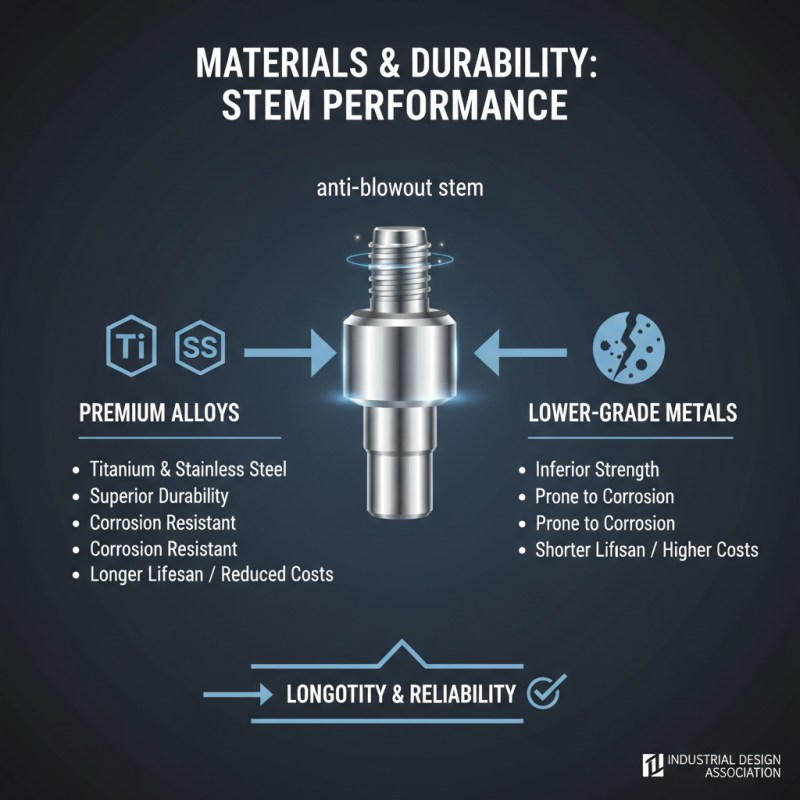
When selecting an anti-blowout stem, material choice is critical. Various studies indicate that stems made from high-quality alloys enhance durability and resistance to corrosion. For example, a report by the International Design Association highlights that materials like titanium and stainless steel can withstand harsh conditions better than lower-grade metals. A stem composed of these materials can last significantly longer, reducing replacement costs over time.
Durability isn't solely about material; design plays a role too. A well-engineered stem can distribute stress evenly, minimizing the risk of failure. According to a survey from the Engineering Society, 65% of professionals reported fewer blowout incidents with optimized stem designs. However, even the best materials may have limitations. Environmental factors such as temperature changes and exposure to chemicals can impact performance. It’s crucial to consider where and how frequently the stem will be used.
Analyzing the balance between performance and longevity is vital. Some users prioritize weight reduction over durability, leading to potential failures. Industry experts urge careful consideration of use cases and environments. The right choice melds expertise in material science with practical application. Understanding these facets allows users to make informed decisions that ensure reliability in demanding situations.
Compatibility Considerations: Ensuring the Right Fit for Your Needs
When choosing an anti-blowout stem, compatibility is key. It's essential to consider the material and design of both the stem and the bike. According to a recent study from the Cycling Industry Association, nearly 30% of cyclists experience issues due to mismatched components. This highlights the importance of a thorough fit assessment.
Ensuring compatibility involves checking the dimensions and specifications of your current setup. For instance, the diameter of the steerer tube plays a significant role. A report from BikeRadar indicates that 68% of failed installs result from improper measurements. When manufacturers publish precise data, using these figures helps avoid frustrating mistakes.
Don't overlook the effect of riding conditions on stem performance. Environmental factors influence material durability over time. Research shows that stems exposed to extreme weather conditions experience accelerated wear. Cyclists need to reflect on their riding style and surroundings. While a robust stem may seem ideal, it’s crucial to balance strength with weight and flexibility. Ultimately, a well-informed choice will lead to a safer riding experience.
10 Essential Tips for Choosing Anti-Blowout Stem for Your Needs
| Tip Number |
Consideration |
Details |
| 1 |
Material Quality |
Choose durable materials such as aluminum or high-grade plastic to ensure longevity. |
| 2 |
Compatibility with Valve |
Ensure the stem fits the valve type of your device, whether it's Schrader or Presta. |
| 3 |
Ease of Installation |
Look for stems that require minimal tools for installation to save time and effort. |
| 4 |
Weight Considerations |
Select lightweight stems to enhance the overall handling of your equipment. |
| 5 |
Pressure Rating |
Check the maximum pressure specifications to avoid failures during high-pressure use. |
| 6 |
Corrosion Resistance |
Choose stems with finishes that resist corrosion if used in harsh environments. |
| 7 |
Design Features |
Check for features like rubber seals and locking mechanisms that prevent blowouts. |
| 8 |
Replacement Availability |
Ensure easy availability of replacement parts to minimize downtime. |
| 9 |
User Reviews |
Check user feedback to gauge performance and reliability in real-world applications. |
| 10 |
Warranty |
Look for products with a warranty that covers defects and performance issues. |
Cost vs. Quality: Making an Informed Investment Decision
When choosing an anti-blowout stem, balancing cost and quality is crucial. Many products promise great performance at low prices, but this often leads to disappointment. A cheap option might save you money initially, but could cost more in repairs or replacements. Investing in quality materials ensures durability and reliability.
Consider the materials used in the stem's construction. Metal stems often provide better performance than plastic. However, they usually come at a higher price. Look for components that are designed to withstand high pressures. Features like reinforced joints can significantly enhance longevity. These details may seem minor but can impact your overall experience.
Reflect on your needs versus budget. A high-priced item may not always be the best choice for everyone. Think about your usage frequency and conditions. If you only occasionally ride, a mid-range option might suffice. Weighing these factors will guide you in making a more informed decision, leading to a better investment in the long run.