Leave Your Message

China Top Bellows Valve Manufacturers How to Choose?

Choosing a reliable Bellows Valve manufacturer in China requires more than comparing catalog prices. Industrial buyers should examine design capability, material control, testing discipline, and after-sales support. A valve may look polished in photographs. Its welded bellows, however, face pressure cycles, corrosive media, vibration, and temperature changes. Ask for drawings, pressure ratings, helium leak-test records, and material certificates. These documents reveal more than marketing claims.

Experienced procurement teams usually begin with the application. Define the medium, operating temperature, pressure range, connection standard, and expected service life. Then compare manufacturers against the same technical specification. Visit the factory when possible. Observe clean assembly areas, welding procedures, calibration labels, and component traceability. Request a sample inspection before placing a large order. Small details matter. A rough weld can become a serious leakage risk.

A capable supplier should explain bellows forming methods, seat materials, cycle testing, and quality controls clearly. Certifications can support credibility, but they do not replace independent verification. Check export experience, response times, spare-part availability, and references from comparable industries. The cheapest offer may lower initial costs while increasing downtime later. Still, no supplier is perfect. Specifications can change, communication can fail, and test data may need clarification. A careful selection process leaves room for questions, documented corrections, and realistic operating reviews. This guide explores how to choose China’s top Bellows Valve manufacturers through evidence, technical judgment, and practical expectations.

China Top Bellows Valve Manufacturers How to Choose?

What Is a Bellows Valve and Why Does Manufacturer Choice Matter?

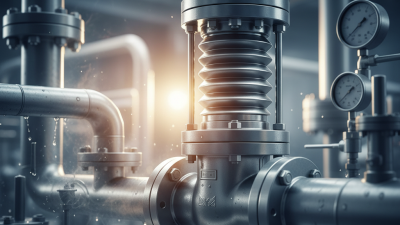
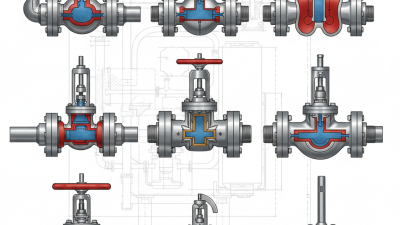
A bellows valve uses a flexible metal bellows around the stem to limit leakage along the moving shaft. As the handwheel turns, the bellows compresses or extends while the valve opens and closes. This design can be useful where escaping process fluid is a concern, such as in a clean utility line or a hot service pipe. That seal matters. But bellows are not indestructible: pressure changes, temperature, vibration, and repeated cycling can contribute to fatigue.

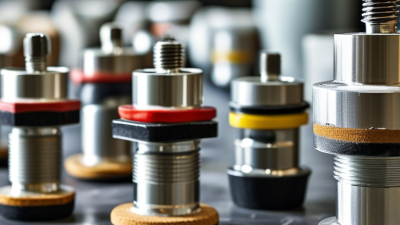
Manufacturer choice affects how well the valve suits the actual service. Ask for details on bellows material, pressure and temperature limits, cycle testing, and inspection procedures. Check that the body and trim materials match the fluid, not just the nominal pipe size. A clear drawing and traceable test records make it easier to verify dimensions and quality. In practice, I would ask how failure is detected and what replacement guidance is available. A polished datasheet alone is not enough. I may be overlooking site-specific conditions, so share operating pressure, temperature swings, and cycling frequency before comparing offers.
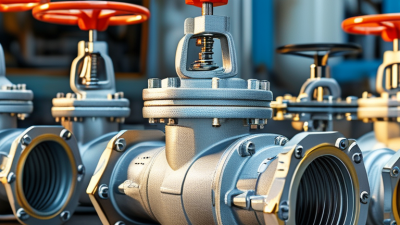
Which Technical Standards Define Reliable Bellows Valve Production?

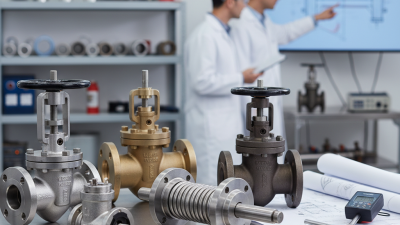
Reliable bellows valve production is defined by measurable design and test requirements, not a polished catalogue. ASME B16.34 covers pressure-temperature ratings, materials, and construction for many industrial valves. ISO 5208 specifies pressure-testing procedures and leakage acceptance levels. For fugitive emissions, ISO 15848-1 evaluates external leakage under defined temperature and mechanical cycling conditions. These standards serve different purposes. One certificate cannot prove every feature.

A capable manufacturer should connect each requirement to a record. Request material test reports, heat numbers, welding procedures, and inspection results. ASME Section IX qualification supports welding controls, but it does not certify the complete valve. Bellows also need documented cycle testing at stated pressure, temperature, and stroke. Check the tested cycle count and failure criteria. Small details matter.

Selection still requires judgment. A sample test may not represent every production unit. Confirm whether shell, seat, and bellows checks apply to each valve or use sampling. Match the standard edition and pressure class to the actual service conditions. If evidence is vague, ask for the test plan. Standards help, but they cannot replace transparent records or engineering review.

How to Evaluate China’s Bellows Valve Manufacturers Step by Step

China Top Bellows Valve Manufacturers: How to Choose?

How to Evaluate China’s Bellows Valve Manufacturers Step by Step

Start with the duty conditions, not a supplier’s catalogue. Record the medium, temperature, pressure, cycle frequency, and acceptable leakage. Then ask shortlisted manufacturers to explain their bellows material and design against those conditions. Grand View Research estimated the global industrial valves market at USD 76.4 billion in 2023, with projected growth through 2030. This is broad market data, not proof of bellows-valve quality. Still, it signals a large, competitive supply base. Ask to see both. Request material certificates, weld traceability, and pressure-test records linked to the actual valve serial number.

Next, check whether testing matches the intended service. ISO 5208 covers pressure testing of industrial valves; ISO 15848-1 addresses fugitive-emission testing and classification. Ask which tests were performed, under what conditions, and whether reports identify the tested configuration. A neat certificate alone is not enough. If possible, review a production line or arrange an independent inspection. Watch how technicians handle bellows welds and final assembly. Compare quoted lead times with production capacity, spare-part support, and response times for technical questions. One limitation: a factory visit shows only one day of work. I would treat it as useful evidence, not a guarantee. A short sample order can reveal more about document accuracy and communication than a polished presentation.

What Manufacturing, Testing, and Customization Capabilities Should You Check?

Choosing a bellows valve manufacturer in China requires more than comparing prices. Check whether the factory can show its forming, welding, machining, and assembly processes. Ask how it controls bellows wall thickness and weld consistency, since small variations can affect cycle life. Request material certificates and inspection records for the proposed valve body and bellows. Clear, traceable documents matter.

Testing should match the valve’s intended service. Ask for documented pressure, leak, and cycle testing, and clarify the test medium, acceptance criteria, and sampling frequency. A neat test report is useful, but it should identify the actual model and production batch. Also review how defects are handled. No process is perfect.

Tips: Share operating pressure, temperature, fluid, connection size, and expected cycling before requesting a quotation. Confirm whether custom end connections, dimensions, or materials are feasible, and ask for a drawing for approval. A capable supplier should explain limits plainly, not promise every option. One detail is easy to miss: agree on inspection points before production starts.

China Bellows Valve Manufacturers: What Should You Check?

Suggested evaluation weights for comparing manufacturing, testing, and customization capabilities. These are a buyer’s checklist priorities, not market statistics or ratings of specific manufacturers.

Review documented production controls, applicable test procedures, and the supplier’s ability to meet your material, pressure, temperature, and end-connection requirements. Confirm relevant standards and acceptance criteria for your application.

How to Compare Quality, Pricing, Delivery, and After-Sales Support?

When comparing China’s bellows valve manufacturers, ask for evidence, not broad claims. Request material certificates, dimensional inspection records, and pressure-test reports tied to the quoted model. Check that the test procedure matches the applicable specification, such as MSS SP-117 or the project’s stated requirements. For demanding service, review weld records and bellows-cycle test conditions. A polished certificate is not enough.

Compare pricing against the complete scope. Confirm alloy grade, end connections, pressure class, inspection, packaging, and spare parts. A low quote can hide exclusions. Ask for an itemized offer. Delivery deserves the same scrutiny: request production milestones, inspection dates, and shipping terms in writing. The World Bank’s 2023 Logistics Performance Index reports an average of 44 days for goods to travel from entering an exporting country to reaching their destination. That is a broad logistics benchmark, not a valve lead-time promise. Ask suppliers to explain how their schedule accounts for production and transit.

After-sales support should be practical. Check response hours, warranty coverage, replacement-part availability, and whether troubleshooting can use clear photos and serial records. Ask for a sample service report. Then judge the details. Small gaps matter. A supplier’s answer may be imperfect; note what remains unverified before placing an order.

China Top Bellows Valve Manufacturers: How to Choose?
How to Compare Quality, Pricing, Delivery, and After-Sales Support

Use this supplier-neutral scorecard to compare quotations for the same valve specification. Requirements depend on the application, governing code, and purchase contract; confirm all technical and commercial details directly with each supplier.

Comparison Dimension What to Compare Evidence to Request or Verify Practical Evaluation Check
Quality system Quality controls covering purchasing, production, inspection, nonconformities, and traceability. Current quality-system certificate, its scope and validity, and sample inspection or quality-control records. Verify the certificate with its issuer where possible; confirm the certified scope covers the relevant manufacturing activities.
Design and application fit Pressure and temperature limits, fluid compatibility, end connections, face-to-face dimensions, and applicable design requirements. Technical datasheet, approved drawings, material specifications, and written confirmation of deviations from the RFQ. Compare every quoted item against the same specification; do not assume a similar-looking valve has equivalent operating limits.
Bellows and stem construction Bellows material, number of plies or construction details where specified, stem arrangement, and stated operating limits. Bill of materials, component drawings, material documentation, and the supplier’s stated design basis. Check that the offered construction matches the service conditions and purchase specification; request clarification for undisclosed details.
Materials and traceability Body, bonnet, bellows, stem, trim, packing, and gasket materials, including any required heat or lot traceability. Material certificates, heat or lot numbers, and a sample traceability record linking components to the finished valve. Confirm certificate type and inspection requirements in the RFQ; verify that material grades match the approved datasheet.
Testing and inspection Pressure testing, shell and seat test requirements, inspection scope, acceptance criteria, and witness or hold points. Test procedure, completed test reports, calibration records where applicable, and inspection and test plan. Compare the proposed tests and acceptance criteria with the contract and applicable standard; confirm whether testing is included in the price.
Certifications and compliance Required product, material, and management-system documentation for the intended destination and application. Copies of applicable certificates and declarations, with issuing body, scope, validity, and product coverage identified. Check the exact requirements before comparing offers; a certificate should not be treated as proof of compliance outside its stated scope.
Price and total cost Unit price, tooling or engineering charges, testing, documentation, packaging, freight, duties, taxes, and payment terms. Itemized quotation with currency, Incoterms® rule and named place, quotation validity, exclusions, and payment milestones. Compare like-for-like scope and delivery terms. Ask suppliers to itemize exclusions rather than relying on the lowest headline price.
Delivery and capacity Production lead time, inspection and document approval time, dispatch date, shipping method, and order capacity. Written delivery schedule, confirmation of material availability, production milestones, and shipping documentation plan. Request dates tied to defined events, such as drawing approval or receipt of down payment; confirm whether the quoted lead time includes inspection.
After-sales support Warranty terms, response channels, spare-parts availability, technical assistance, and claims process. Written warranty, service contact details, spare-parts list, support hours, and documented procedure for handling defects. Compare the written commitments, exclusions, and response process; do not rely solely on verbal assurances.
Supplier verification Whether the quoted company manufactures the product, acts as a distributor, or uses subcontracted production. Business and factory information, production-process overview, subcontractor disclosure, and a live or independent factory audit if needed. Confirm who is contractually responsible for design, manufacturing, inspection, warranty, and delivery before placing an order.
Final comparison Technical compliance, commercial scope, delivery certainty, documentation, and service commitments. Completed comparison sheet using the same RFQ, required documents, and evaluation criteria for every quotation. Shortlist only compliant offers Record exceptions in writing and resolve them before purchase-order approval.