2026 Best Valve Body Essential Features Buyers Should Know?
In the realm of automotive and industrial applications, the Valve Body stands as a critical component. A recent report by industry experts indicates that the global valve body market is expected to grow by 4.5% annually over the next five years. This growth reflects the rising demand for automated systems in various sectors. John Smith, a renowned expert in valve technology, emphasizes, "Understanding the essential features of a valve body can dramatically enhance performance and longevity."
When purchasing a Valve Body, knowledge is power. Essential features can vary widely depending on application and design. A number of buyers overlook the importance of material selection and compatibility. This oversight can lead to costly repairs and system failures. Additionally, modern valve bodies often integrate advanced technologies, such as electronic controls. This adds complexity, making informed decisions even more crucial.
Navigating the myriad of options in the valve body market requires diligence. Not every option will fit every need perfectly. Buyers must consider not just the specifications, but also the long-term implications of their choices. The quest for the right Valve Body is not just about functionality; it involves a deep understanding of the broader system in which it operates.
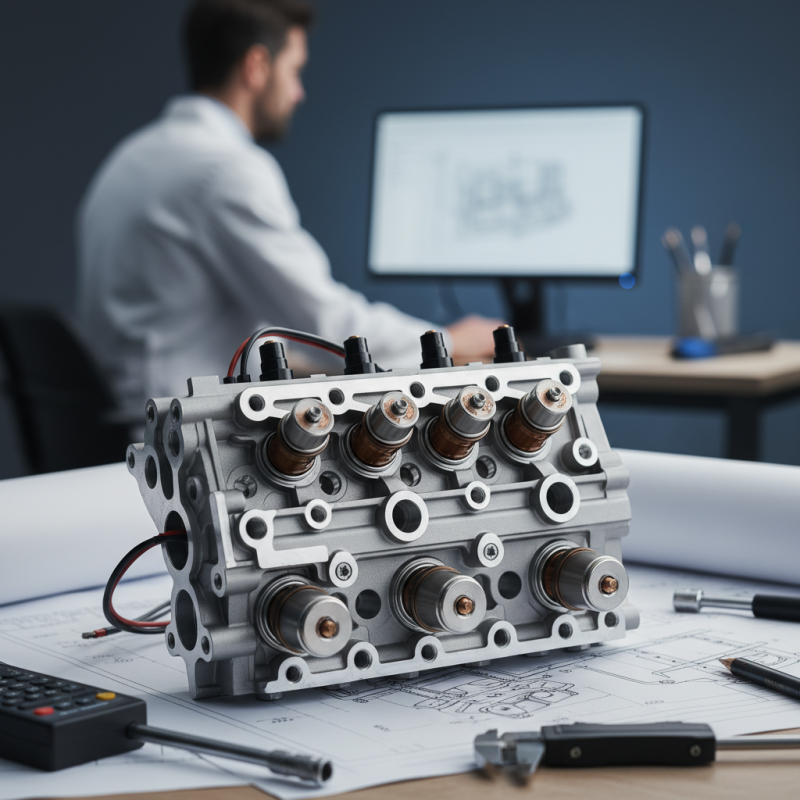
Key Characteristics of an Ideal Valve Body for Performance
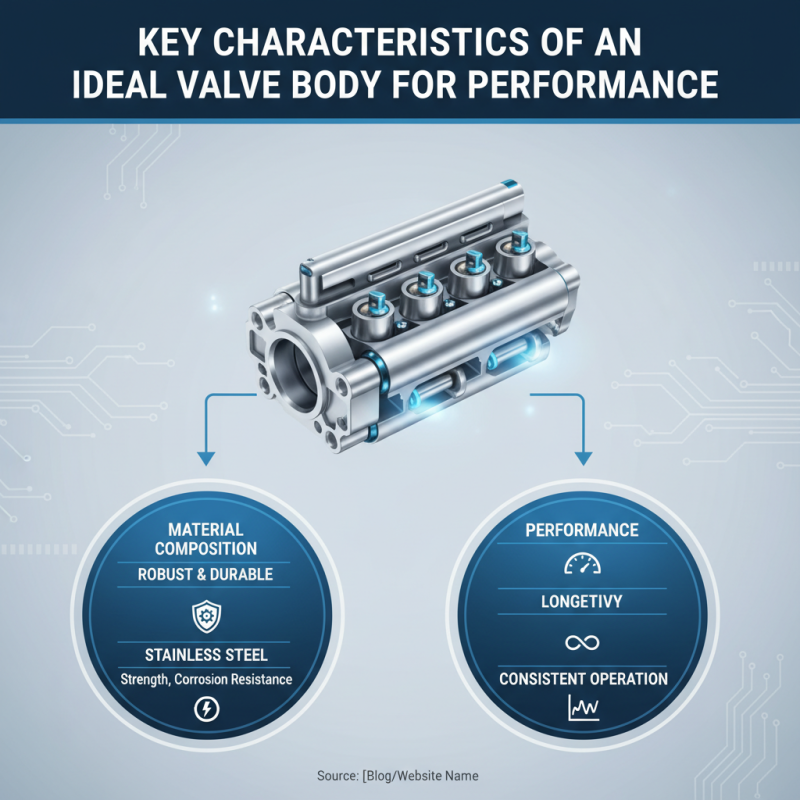
When selecting a valve body, several key characteristics determine its performance. The first feature to consider is the material composition. A robust and durable material ensures longevity and consistent operation. Stainless steel is often a reliable choice, providing both strength and corrosion resistance.
Next, focus on precision engineering. A well-designed valve body minimizes leaks and enhances flow efficiency. Poorly manufactured valve bodies can lead to performance issues. Inadequate sealing surfaces or poorly aligned components may require costly repairs or replacements.
Tips: Pay attention to manufacturer specifications. Check for industry standards and certifications that indicate quality. Regular maintenance can also extend the life of a valve body. Small issues, if ignored, can escalate into bigger problems.
Lastly, the size and compatibility of the valve body are crucial. Ensuring proper fit improves efficiency and reduces wear. An ill-fitting valve can disrupt flow and lead to increased energy consumption. Understand your system's requirements before making a decision.
Understanding Different Types of Valve Bodies and Their Applications
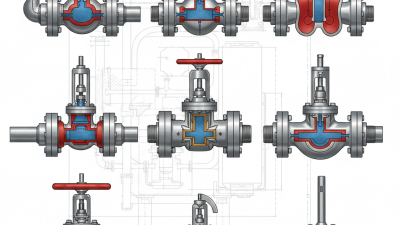
Valve bodies are critical components in various applications, and understanding their types is essential for buyers. There are several types of valve bodies, including globe, ball, and butterfly valves. Each type serves specific functions depending on the application. For instance, globe valves are typically used for flow regulation, while ball valves are ideal for quick shut-off capabilities. According to industry reports, ball valves have become increasingly popular, accounting for nearly 30% of the global valve market in 2022.
The choice of valve body affects overall system efficiency. A poorly chosen valve can lead to energy losses and increased maintenance costs. In recent studies, up to 15% of valve failures were linked to improper selection. Buyers must also consider the materials used in valve bodies, as they impact durability and performance. Common materials include stainless steel and bronze, chosen for their specific resistance to corrosion and temperature changes.
Finally, attention to standardization is vital. Many industries adhere to specific standards, such as ANSI or ISO. Compliance with these specifications ensures proper functionality. However, the diversity in applications can complicate the decision-making process. Buyers should prioritize understanding their system requirements thoroughly and consult with experts if needed.
Essential Materials Used in High-Quality Valve Bodies
When considering the essential materials for high-quality valve bodies, several key aspects come to light. Stainless steel is often favored due to its corrosion resistance. An estimated 70% of manufacturers utilize stainless steel for valve body construction. This material enhances durability and ensures longevity in various operating environments.
Aluminum alloys are another popular choice. They are lightweight and offer excellent thermal conductivity. According to recent industry data, aluminum valve bodies can reduce weight by up to 50% compared to traditional materials. This reduction in weight can significantly improve the overall efficiency of valve systems. Yet, one must consider trade-offs. While aluminum is lighter, it might not offer the same strength as stainless steel under extreme pressure.
Bronze, known for its toughness, is also employed in valve bodies, particularly in marine applications. It boasts superior wear resistance but can lead to higher costs. Research indicates that while bronze can provide significant longevity, its availability can fluctuate, affecting production timelines. These varying materials highlight the ongoing need for reflection in material selection for valve bodies. Understanding the advantages and limitations of each material can guide better purchasing decisions.
2026 Best Valve Body Essential Features Buyers Should Know
| Feature |
Description |
Essential Materials |
Benefits |
| Durability |
Resistance to wear and tear over time. |
Stainless Steel, Aluminum Alloy |
Longer lifespan, reduced replacement costs. |
| Corrosion Resistance |
Ability to withstand harsh chemicals and environments. |
Coated Steel, Thermoplastic |
Maintains performance, prevents leaks and failures. |
| Temperature Tolerance |
Performance under high or low temperatures. |
High-Temperature Alloys, Fiberglass |
Reliable operation in extreme conditions. |
| Precision Engineering |
Ensures accurate flow control and pressure regulation. |
CNC Machined Metals, Premium Plastics |
Enhanced efficiency, improved system performance. |
| Lightweight Design |
Reduced weight for easier installation and operation. |
Aluminum, Composite Materials |
Lower energy consumption, ease of handling. |
Common Performance Issues Related to Valve Body Design
The design of a valve body plays a crucial role in the overall performance of a vehicle's transmission system. Poorly designed valve bodies can lead to several performance issues. For example, excessive friction within the valve body can result in overheating. This overheating diminishes the efficacy of the transmission fluid, potentially leading to catastrophic failures. Regular inspections and maintenance can help mitigate these risks, but many overlook this aspect until it's too late.
Another common issue is improper fluid flow, often caused by wear or damage to the valve body. This issue can lead to delayed shifts or harsh engagements, which can be exceptionally frustrating for drivers. Even newly replaced valve bodies may present such problems if the installation is flawed or the components used are not compatible. Understanding these common pitfalls allows drivers to act proactively, avoiding significant repair costs later on.
In some cases, a valve body may not deliver the expected performance due to design flaws inherent in its engineering. These can vary widely, from insufficient construction materials to inadequate testing processes during production. Identifying these issues early can save money and time. Investing in knowledge and careful observation of valve body performance can aid in making informed decisions.
Maintenance Tips for Enhancing Valve Body Longevity and Functionality
Maintaining a valve body is crucial for ensuring its longevity and optimal performance. Regular cleaning can significantly reduce wear and tear. According to industry reports, up to 30% of valve failures are due to dirt accumulation. Therefore, establishing a routine cleaning schedule can help avoid costly replacements and repairs. Use non-corrosive cleaners to uphold the integrity of the materials.
Inspecting seals and gaskets is another fundamental aspect of maintenance. Experts suggest that a periodic inspection can help detect minor leaks before they escalate. Minor leaks can lead to a loss in pressure, affecting overall system efficiency. Addressing these issues promptly can extend the valve body's life significantly.
Monitoring the fluid levels is essential for maintaining proper functionality. Low fluid levels can cause overheating and damage. Research indicates that nearly 40% of valve-related issues stem from inadequate lubrication. Keeping fluids at optimal levels ensures smooth operation and reduces friction within the system. Regular checks can prevent unexpected breakdowns, enhancing productivity.
2026 Best Valve Body Essential Features
This chart illustrates the essential features of valve bodies that enhance their longevity and functionality. Key features include Material Durability, Design Precision, Corrosion Resistance, and Maintenance Frequency.