Top Benefits of Using Machined Valve Stem for Your Operations?
In today's industrial landscape, efficiency and reliability are paramount. One critical component that often goes overlooked is the machined valve stem. The machined valve stem enhances operational performance in various applications. Its precision design ensures optimal flow control, which is essential for many systems.
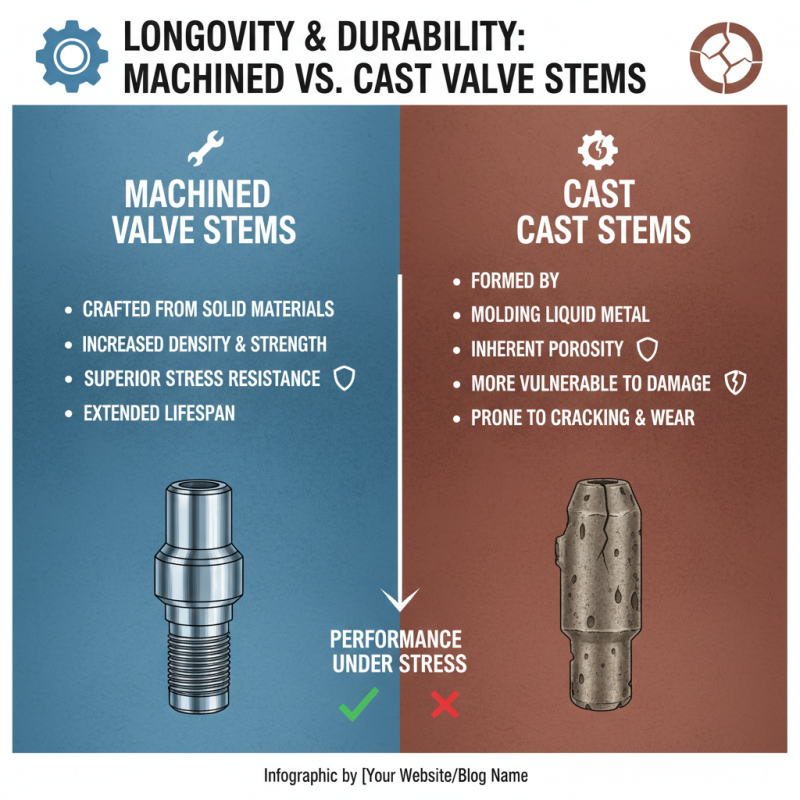
Machined valve stems are crafted with high accuracy. This high level of precision minimizes the risks of leaks and malfunctions. Industries can benefit significantly from this when operating under pressure. Additionally, the durability of machined valve stems means they require less frequent replacement compared to traditional options. This can reduce maintenance costs in the long run.
However, it’s essential to recognize that not every operation may require a machined valve stem. Evaluating the specific needs of your system is crucial. Investing in higher-quality components can initially seem costly, but the long-term reliability often outweighs these expenses. Ultimately, adopting machined valve stems could enhance the overall efficacy of your operations if implemented thoughtfully.
Benefits of Precision Engineering in Machined Valve Stems
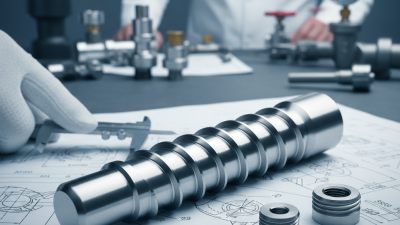
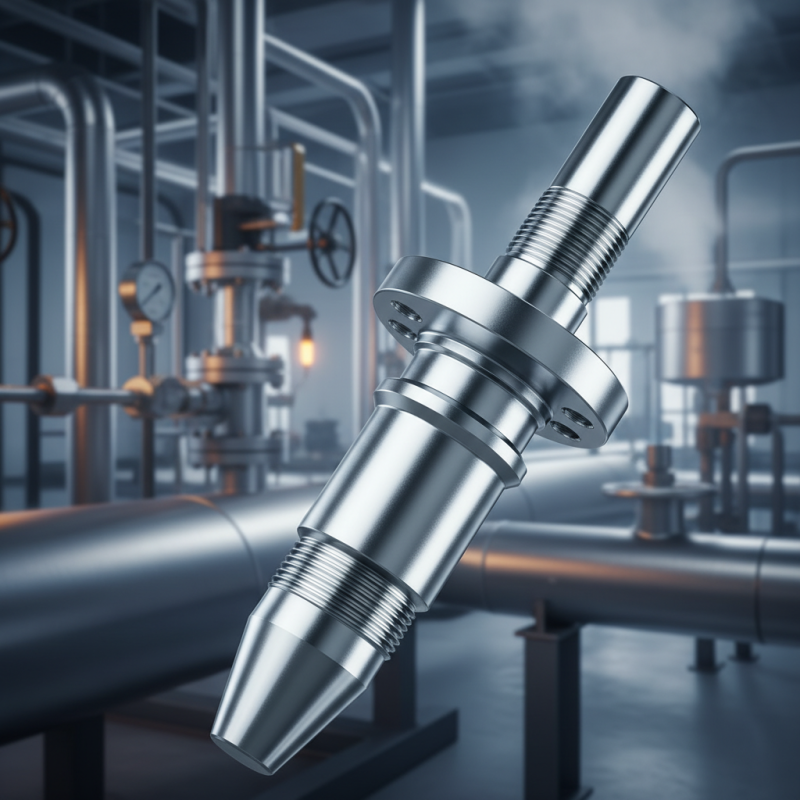
Precision engineering in machined valve stems offers significant advantages for various operations. This technology ensures tight tolerances and reliable performance in demanding environments. The intricacy in manufacturing these valve stems translates to improved efficiency and reduced wear over time. Each stem is designed to fit precisely within its assembly, minimizing leakage and enhancing overall performance.
Investing in machined valve stems can also improve the durability of your operations. High-quality materials withstand high pressures and temperatures. These stems can operate in various conditions, providing consistency where it is needed most. Many industries can benefit, from automotive to aerospace, where safety and reliability are paramount.
Tips for selecting the right machined valve stem include evaluating manufacturing processes. Focus on suppliers who utilize advanced machining techniques. Look for those who can demonstrate quality control measures. Understanding the specific requirements of your application is essential. It helps ensure the stem can meet performance expectations. Reflect on past experiences; have the chosen valve stems performed as anticipated? Adjustments may be needed to fine-tune operational efficiency.
Cost Efficiency in Manufacturing Machined Valve Stems
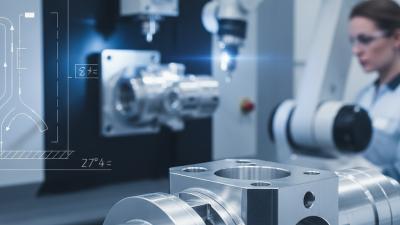
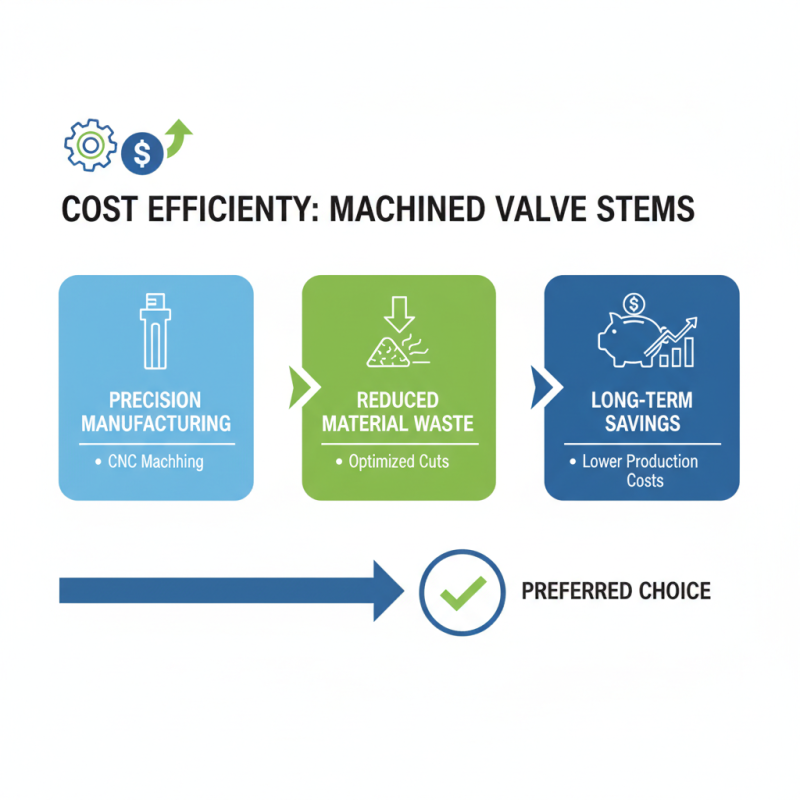
Machined valve stems have become a preferred choice in many industries due to their cost efficiency. Manufacturing these components often involves advanced techniques like CNC machining. This process allows for precise cuts and shapes, which can significantly reduce waste. When less material is wasted, the overall production costs decrease. Operators often find that investing in machined valve stems leads to long-term savings.
Understanding the economics of machining is crucial. While the initial setup costs may seem high, the durability and performance of machined parts often justify the expense. These stems can withstand higher pressures and extremes in temperature. This reliability can minimize downtime, which also contributes to cost savings.
However, not all operations may benefit equally. Some businesses might face challenges adapting to the new technology. There can be a learning curve, and initial production may not meet expectations. It’s essential for companies to evaluate their specific needs and capabilities before transitioning to machined solutions. In some scenarios, the return on investment may not be as evident. Careful analysis and planning can help ensure the best outcomes.
Impact of Material Selection on Valve Stem Performance
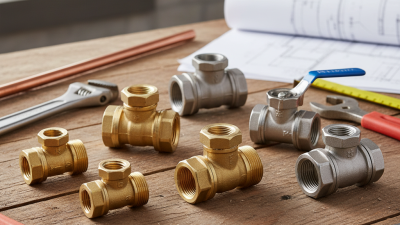
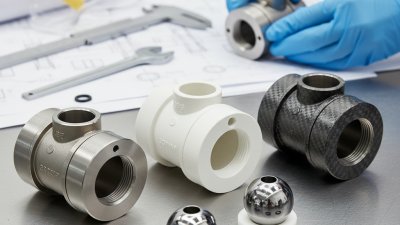
When it comes to valve stem performance, material selection plays a critical role. Various materials yield different attributes, impacting the valve's overall functionality. Common choices include stainless steel, brass, and titanium. Each material affects factors like corrosion resistance, weight, and thermal properties. For example, stainless steel offers excellent strength but can be prone to galling under certain conditions.
However, selecting the right material isn’t without challenges. Each application presents unique demands. If the environment is highly corrosive, for instance, a less suitable material could lead to premature wear or failure. Understanding the operating conditions is essential. Testing and analysis often reveal discrepancies between theoretical performance and real-world application.
It’s crucial to consider not just the mechanical properties but also the compatibility with other components. Sometimes, a high-performance material like titanium might not be necessary. Cost and manufacturability also factor into material choice. Striking the right balance takes expertise and careful evaluation. Adjustments and compromises are often needed to align performance with operational requirements.
Applications of Machined Valve Stems Across Various Industries
Machined valve stems are crucial components across several industries. In the automotive sector, they ensure optimal performance of engine valves. Precision in machining leads to better fit, reducing wear and tear over time. A well-crafted valve stem can withstand high temperatures and pressure, ensuring reliability under extreme conditions.
In the oil and gas industry, machined valve stems play a vital role in regulating flow. They are designed to handle corrosive substances and high pressures. This reliability is essential for safety and efficiency in operations. However, imperfections in manufacturing can lead to failures, highlighting the need for stringent quality checks.
Manufacturers in the aerospace industry utilize machined valve stems for their lightweight and durable properties. These components contribute to the overall efficiency of aircraft systems. Yet, the challenges in maintaining exact tolerances can affect performance. Continuous improvement in machining techniques is necessary to address these issues, ensuring the highest standards are met across all applications.