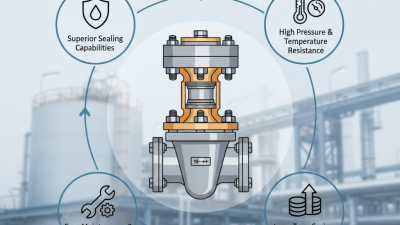
Why Choose Bellows Valve for Your Industrial Applications?
In the realm of industrial applications, the selection of valves is critical. Among them, the Bellows Valve stands out for its unique advantages. According to Dr. Emily Chen, a leading expert in valve technology, “The Bellows Valve offers unparalleled leak protection and reliability.” This statement echoes throughout the industry.
The construction of a Bellows Valve ensures minimal leakage, essential for sensitive processes. Its design allows for flexibility and stability in various environments. Features such as reduced maintenance and extended lifespan strengthen its appeal. Companies benefit from lower operational costs and improved efficiency when they choose this valve type.
However, not all Bellows Valves are created equal. Manufacturers vary in quality and performance. Buyers must conduct thorough research and select trusted brands. Without due diligence, companies might face unexpected challenges. Evaluating options carefully is necessary for optimal performance.
Understanding the Basics of Bellows Valves in Industrial Settings
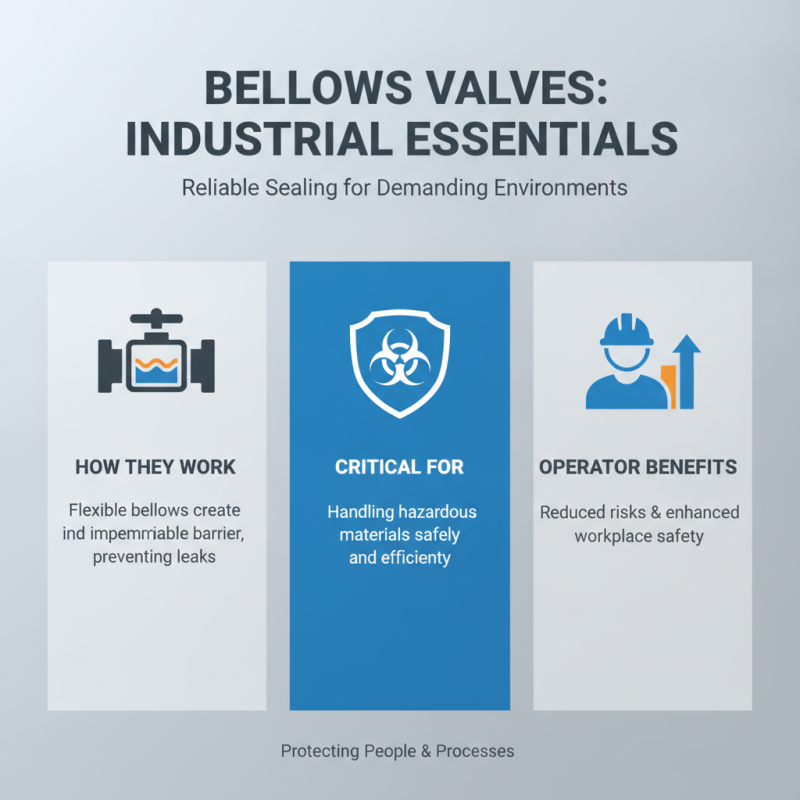
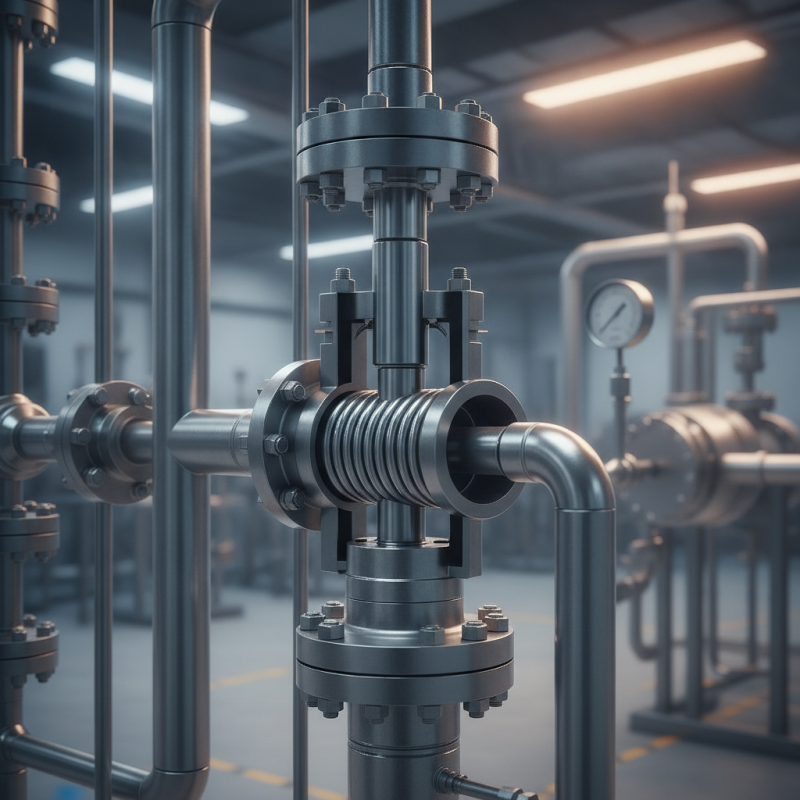
Bellows valves play a crucial role in industrial settings. They are designed to provide a reliable seal in demanding environments. The flexible bellows act as a barrier, preventing leaks from occurring. This feature is vital for processes that handle hazardous materials. Operators benefit from lower risks and increased safety.
Understanding the basics of bellows valves begins with their construction. The bellows are often made from metal or specialized rubber. This composition allows them to withstand high pressures and temperatures. Moreover, their design can adapt to various piping arrangements. Still, they require regular maintenance to ensure optimal performance. Without proper care, the bellows can wear out, leading to failures.
In industrial applications, choosing the right valve is essential. Bellows valves offer advantages, but they are not without flaws. For instance, they can be more expensive than other types. Their installation can also be complex, requiring skilled labor. Balancing these factors is crucial for decision-makers. Understanding both the benefits and drawbacks enhances the selection process.
Key Advantages of Using Bellows Valves Over Traditional Valve Types
When considering industrial valve options, bellows valves stand out due to their unique advantages. These valves are designed to provide a tight seal, preventing leakage and maintaining system integrity. This is crucial in applications where safety and efficiency matter greatly. Traditional valve types often struggle with leakage issues. Bellows valves, however, minimize this risk effectively.
Another significant advantage is their adaptability to extreme conditions. Bellows valves can handle high pressures and temperatures without compromising performance. This versatility makes them suitable for various industries, from chemical processing to pharmaceuticals. Their design reduces wear over time, which can extend the lifespan of the valve.
However, it's essential to consider the installation and maintenance aspects. While bellows valves offer durability, they may require more specialized handling during installation. This could lead to higher upfront costs or longer downtimes if not managed well. Evaluating these factors can help in making an informed choice while utilizing bellows valves in industrial settings.
Applications of Bellows Valves in Various Industries
Bellows valves are integral to many industrial applications. These valves are often used in sectors such as pharmaceuticals, food and beverage, and chemical processing. Their unique design minimizes leakage and ensures containment. According to a report by the Global Industry Analysts, the bellows valve market is projected to reach $900 million by 2025. This growth signifies a rising awareness of reliable sealing technologies.
In the pharmaceutical industry, bellows valves maintain sterile environments. They prevent contamination of products during manufacturing. A report by MarketsandMarkets highlights that contamination-related costs can account for up to 20% of overall manufacturing expenses. Thus, the choice of valves directly impacts efficiency and profitability.
Additionally, in chemical processing, bellows valves are critical. They handle corrosive substances with high precision. This ability reduces the risk of failure. The Chemical Engineering Journal states that equipment failures can lead to losses of over $1 million per incident. Choosing the right valve type enhances safety and reduces operational risks.
Evaluating the specific needs of each industry is necessary. While bellows valves offer many advantages, they may not suit all applications. Understanding their limitations, such as temperature and pressure constraints, is important for effective use.
Factors to Consider When Choosing Bellows Valves for Your System
When selecting bellows valves for industrial use, several factors come into play. The material of the bellows is crucial. It should withstand the working environment's pressures and temperatures. Stainless steel is common due to its strength and corrosion resistance. However, other materials might be better for specialized applications. Knowing your system requirements helps narrow down choices.
Another key consideration is the valve's design and sealing capabilities. Bellows valves are designed to provide excellent sealing. They minimize leakage, which enhances system efficiency. It's essential to evaluate how well the valve’s design matches your application’s specific needs. Compatibility with existing systems is vital too. An ill-fitting valve can lead to problems and require costly adjustments.
Installation and maintenance aspects should also be considered. A complex installation may lead to user errors. Proper training and understanding of the system are necessary. Regular inspections will ensure longevity. However, some users overlook this, leading to premature failures. Practical experience and knowledge of your system’s operations are invaluable for selecting the right bellows valve.
Why Choose Bellows Valve for Your Industrial Applications?
This chart illustrates the advantages of using bellows valves in various industrial applications, highlighting the performance factors that can influence your choice.
Maintenance and Care Tips for Prolonging the Life of Bellows Valves
Maintaining bellows valves is essential for their longevity. Regular inspection plays a key role. Check for signs of wear, such as cracks or leaks in the bellows. Even small issues can lead to bigger problems if ignored. Cleaning the valve helps prevent buildup that can affect performance. Use appropriate cleaning agents that won’t harm the valve materials.
Proper installation is also crucial. Ensure valves are aligned correctly to avoid stress on the bellows. Misalignment can lead to premature failure. Monitoring pressure and temperature is vital. Both factors can impact the valve's function. Keeping a log of operational parameters can help identify abnormal wear patterns early.
Finally, consider the environment where the valve operates. Extreme conditions can accelerate wear. Adjust maintenance schedules based on these conditions. Even with the best care, bellows valves may require replacement sooner than expected. Understanding the factors that influence their lifespan is key to effective maintenance.
Why Choose Bellows Valve for Your Industrial Applications? - Maintenance and Care Tips for Prolonging the Life of Bellows Valves
| Dimension |
Specification |
Maintenance Tips |
Frequency |
| Size |
1" - 12" |
Regular visual inspections |
Monthly |
| Pressure Rating |
150 psi - 600 psi |
Check for leaks and fittings |
Bi-weekly |
| Temperature Range |
-20°C to 150°C |
Clean bellows regularly |
Monthly |
| Materials |
Stainless Steel, Bronze |
Lubricate moving parts |
Every 6 months |
| Life Expectancy |
5 - 10 years |
Replace if damaged |
As needed |