China Top Stainless Valve Body Manufacturers and Their Innovations?
In the rapidly evolving manufacturing landscape, the stainless valve body industry stands out for its innovation and resilience. Experts highlight the significance of quality and design in this sector. Dr. Li Wei, a leading authority on stainless valve technology, asserts, "Innovation is the lifeblood of the stainless valve body industry." This underscores the pressing need for manufacturers to consistently adapt and innovate.
China has emerged as a powerhouse in producing stainless valve bodies. The country boasts numerous manufacturers committed to advancing technology and improving production processes. Each manufacturer brings unique innovations to the table, enhancing durability and performance. However, the industry still faces challenges, such as ensuring sustainability and managing production costs effectively.
As we delve deeper into the profiles of the top stainless valve body manufacturers, their contributions to innovation will become evident. Their efforts in optimizing design and functionality redefine industry standards. By focusing on these advancements, we can appreciate how the stainless valve body sector is striving for excellence while addressing existing shortcomings in its practices.
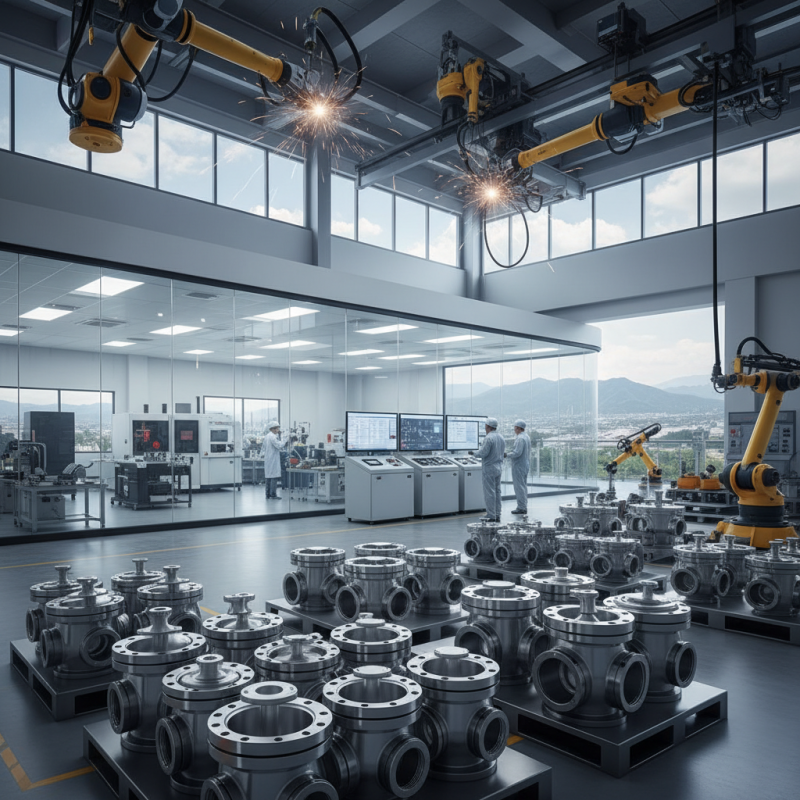
Leading Stainless Valve Body Manufacturers in China
China is a hub for stainless valve body manufacturing, significantly contributing to the global market. According to a recent Industry Report, China's production holds nearly 30% of worldwide stainless steel valve components. This strong presence is fueled by advancements in technology and manufacturing processes.
Leading manufacturers focus on innovative designs that enhance durability and performance. Use of high-quality stainless steel grades boosts corrosion resistance and lifespan, making products more reliable. Recent data indicates a 15% growth in demand for advanced stainless valve bodies, particularly in the oil and gas sector, driven by increasing energy requirements and infrastructure projects.
Despite these advancements, challenges persist. Many manufacturers face quality control issues. Ensuring consistent product quality remains vital for maintaining competitiveness. Additionally, the rapid pace of innovation means companies must continually invest in R&D to stay relevant. Balancing innovation with functional design is critical for future growth.
China Top Stainless Valve Body Manufacturers and Their Innovations
| Manufacturer Type |
Production Capacity (Units/Month) |
Innovative Technology |
Market Reach |
Certifications |
| Tier 1 Manufacturer |
50,000 |
3D Printing Technology |
Global |
ISO 9001, CE |
| Mid-Tier Manufacturer |
30,000 |
Automated Assembly Line |
Asia, Europe |
API 6D, ISO 14001 |
| Emerging Manufacturer |
10,000 |
Smart Valve Monitoring |
Domestic, Southeast Asia |
ISO 45001 |
| Specialized Manufacturer |
20,000 |
Advanced Welding Techniques |
North America, Asia |
ASME, ISO 9001 |
Innovative Technologies in Stainless Valve Body Production
Innovative technologies in stainless valve body production are reshaping the industry landscape. Manufacturers are increasingly adopting advanced techniques to enhance efficiency.
For instance, the integration of computer numerical control (CNC) machining has improved precision in the production process. According to a recent industry report, CNC technology can enhance manufacturing efficiency by up to 30%. This significant transformation allows for faster production cycles and reduced waste.
Another noteworthy innovation is the use of high-performance materials. Manufacturers are experimenting with new stainless steel alloys, which offer improved corrosion resistance. These innovations lead to longer product lifespans and better performance in harsh environments. A study indicated that valves made from these materials can withstand extreme conditions, thus reducing maintenance costs.
Despite these advancements, challenges remain. The high initial investment for new technology may deter smaller manufacturers. Effectively balancing quality and cost is essential but often difficult. Companies must navigate fluctuating raw material prices, which can affect their operations. Continuous innovation is crucial, but it requires a commitment to research and development.
Market Trends Impacting China's Stainless Valve Industry
China's stainless valve industry is evolving rapidly. Several market trends are reshaping how manufacturers operate. One major trend is the increasing demand for high-performance valves. Industries like oil and gas require valves that are durable and resistant to corrosion. Innovations in material science are addressing these needs by enhancing valve longevity.
Sustainability is another critical factor. Manufacturers are now focusing on eco-friendly production methods. They seek to reduce energy consumption and waste. However, this push for sustainability sometimes conflicts with cost-effectiveness. The balancing act between environmental responsibility and economic viability is a challenge that many face.
Lastly, technology adoption is on the rise. Automation and smart technologies are becoming standard. However, not all companies are prepared for this shift. Some struggle with integrating advanced systems. This gap highlights the need for continuous training and adaptation. The stainless valve industry is at a crossroads, facing both challenges and opportunities.
Market Trends Impacting China's Stainless Valve Industry
Comparison of Product Quality Among Top Manufacturers
When examining the product quality among top stainless valve body manufacturers, several factors come into play.
Material selection is crucial. Many manufacturers employ high-grade stainless steel,
but not all ensure consistent quality across their production lines. This inconsistency can lead to varying performance
and longevity in valves, affecting overall reliability.
Moreover, manufacturing processes differ significantly. Some companies invest in advanced technologies
and automation, while others rely on traditional methods. Automated systems often enhance precision
and reduce human error, leading to superior product quality. However, some manufacturers struggle to adapt to these innovations,
reflecting their potential shortcomings.
Testing and quality control are vital components in assessing product quality.
Leading manufacturers conduct rigorous tests on their valves to ensure durability and performance. Yet, not all insist on the
same standards. This gap can be a red flag for buyers. They must do their due diligence
and research manufacturers thoroughly. In this competitive landscape, understanding these nuances can help industries
make informed decisions.
Future Innovations Shaping the Stainless Valve Market in China
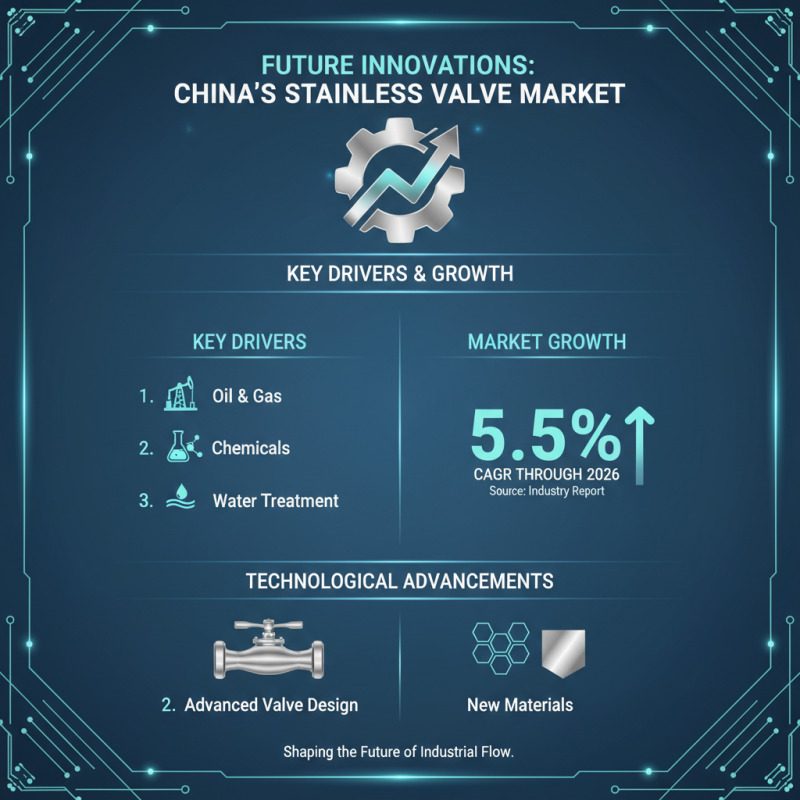
The stainless valve market in China is experiencing rapid innovation. Key drivers include increasing demand from sectors like oil and gas, chemicals, and water treatment. According to a recent industry report, the market is projected to grow at a compound annual growth rate (CAGR) of 5.5% through 2026. This growth is anchored in advancements in valve design and materials.
Manufacturers are focusing on improving corrosion resistance and durability. Innovations such as advanced coatings and new alloy formulations are gaining traction. Some manufacturers have implemented smart technology, allowing for real-time monitoring of valve performance. These developments enhance operational efficiency and reduce maintenance costs.
However, challenges remain. Many companies struggle with integrating new technologies while maintaining product affordability. There is a need for better research collaboration between industry and academic institutions. Balancing innovation with cost-effectiveness is a continuous challenge. As the market matures, addressing these issues will be crucial for sustaining growth and competitiveness.