



Why Custom Valve Components Matter in Industrial Applications
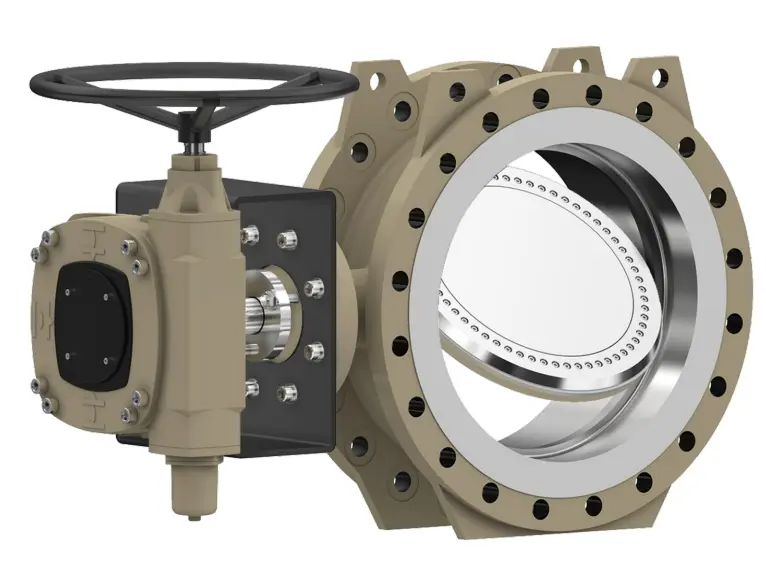
In most process-oriented industries, a valve is more than just a flow control device—it's a functional safety element. Whether in petrochemical refining, gas transportation, or heavy-duty water treatment systems, the performance of a valve depends heavily on its components: the body, stem, seat, and coupling all contribute to durability and sealing reliability.
Standardized valves, although widely available, often fall short in demanding working environments. When pressure ratings, flow dynamics, and corrosive media vary from project to project, off-the-shelf solutions can introduce unnecessary risks—especially in operations where downtime means significant financial loss.
This is where custom valve components offer distinct advantages. Designed according to specific operating conditions, custom-made parts can be matched precisely to the system's pressure range, media type, and installation geometry. For example, a valve stem used in a high-sulfur gas environment may require different material selection—such as 17-4PH or Inconel—compared to a stem used in low-pressure clean water lines.
The choice of valve material, from WCB carbon steel to CF8M stainless or even Duplex alloys, also affects corrosion resistance, dimensional stability, and life cycle. Furthermore, the ability to specify surface treatments—such as sandblasting, passivation, or nitriding—adds another layer of control in optimizing valve longevity.
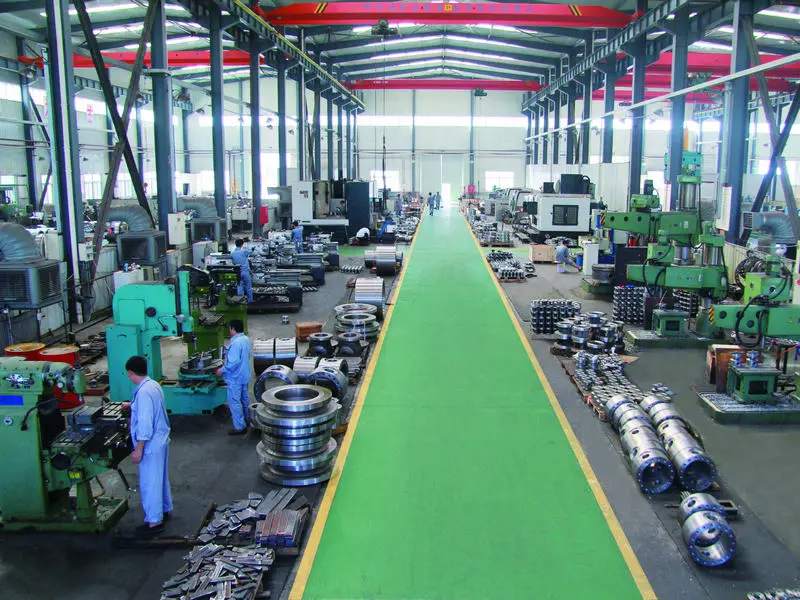
Our factory has worked with system integrators, OEMs, and EPC contractors for more than two decades to supply custom-machined valve components tailored for long-term field performance. Each valve part is manufactured with attention to dimensional tolerances and mechanical integrity, ensuring a tight fit within the complete assembly. For actuated valves, we also provide precise couplings and brackets to ensure alignment under dynamic conditions.
In many cases, engineers come to us when an imported valve fails prematurely—not due to poor overall quality, but because one small part wasn't compatible with the system it was installed in. Custom valve parts, built to drawing or reverse-engineered, allow for exact replacement without compromising functionality or flow control.
Choosing a custom valve component supplier is not just about machining accuracy. It's also about understanding how a valve behaves under stress—thermal expansion, pressure surges, or abrasive media—and how small changes in component geometry can solve recurring issues in the field.
Whether it's a low-temperature LNG system or a high-pressure steam loop, investing in tailor-fit valve components offers a reliable path to fewer shutdowns, safer operations, and improved total cost of ownership.