



Website Update | Notes from Production: Forged Steel Ball Valves in Industrial Use
Forged steel ball valves are often specified for projects where operating conditions leave little room for uncertainty. In many industrial systems, especially those running at higher pressure or with frequent temperature changes, the choice of valve is usually based on past operating experience rather than catalog data alone.
One reason forged steel ball valves continue to be selected is the way the material behaves in service. Unlike cast components, forged valve bodies start from solid steel billets and are shaped under controlled force. This process produces a dense structure with consistent material continuity. In practice, this means fewer internal variables when the valve is exposed to pressure fluctuations or repeated thermal cycles.
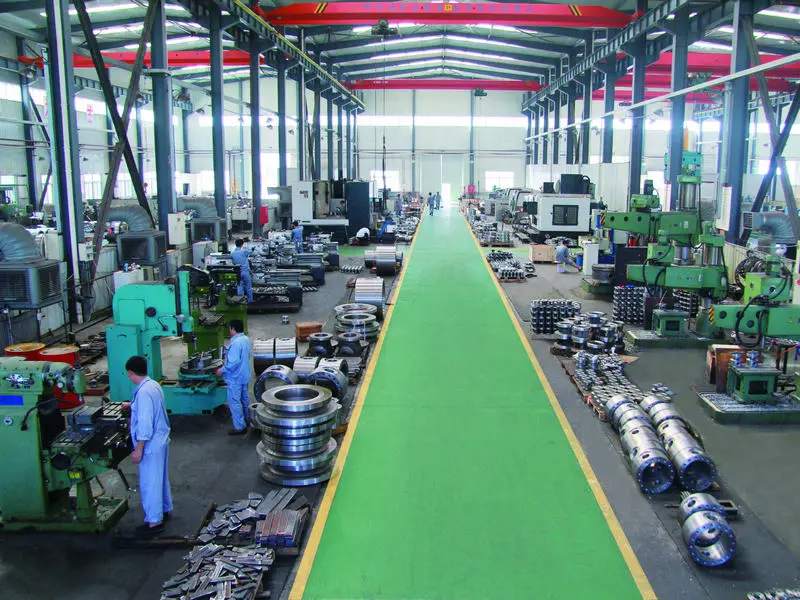
During production, forging is only the first step. Once the basic shape is formed, the valve body goes through heat treatment before machining. CNC machining is then used to define critical dimensions, including sealing areas, stem alignment, and end connections. These steps are closely monitored, not to achieve theoretical perfection, but to ensure that parts assemble smoothly and operate without abnormal torque or misalignment.
In actual pipeline installations, forged steel ball valves are commonly used at isolation points where stable shut-off is required over long periods. Maintenance access is not always convenient in these locations, so operators tend to favor valves that behave predictably after many open-close cycles. From field feedback, forged components tend to show less dimensional change over time, particularly in demanding pressure ranges.
Another factor often considered by engineers is consistency between batches. Forged valve bodies, when produced under stable process control, show relatively small variation from one lot to the next. This helps simplify assembly and inspection, especially for projects that require multiple valves of the same specification.
From a manufacturing standpoint, forged steel ball valves are not about adding extra material for safety. Instead, strength is achieved through material quality and controlled geometry. This approach supports long-term service without unnecessary weight or oversized dimensions.
As industrial systems continue to operate under more demanding conditions, forged steel ball valves remain a practical option for applications where durability and stable performance matter more than short-term cost considerations.