



Valve Components Enabling Smarter Industrial Automation
As industrial plants transition toward smarter operations—driven by automation, remote monitoring, and predictive maintenance—valve systems are being retrofitted with intelligent actuators and control units. But what often gets overlooked in this process is the role of mechanical interface components: the valve brackets, couplings, stems, and mounting hardware that connect digital systems to physical motion.
A smart actuator is only as good as the structure it’s installed on. If the bracket flexes, the coupling slips, or the stem doesn’t align, control accuracy suffers. That’s why the quality and precision of valve components have become foundational to successful digital transformation in sectors like water treatment, energy distribution, and chemical automation.
At Sichuan Yining Machinery, we’ve seen an increase in demand for actuator-compatible mounting structures—ISO 5211 brackets, vibration-resistant couplings, and custom stems machined to support position feedback sensors. These aren’t just mechanical parts; they’re the physical links between automation hardware and flow control function.
Common upgrade scenarios include:
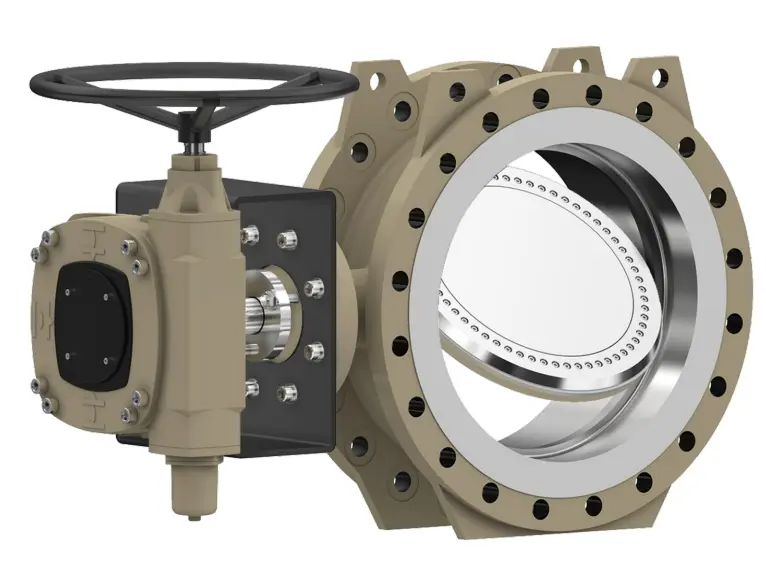
- Retrofitting old butterfly valves with electric actuators, requiring custom-drilled brackets and reinforced plates.
- Adding smart positioners to ball valves, demanding precise stem tolerances and backlash-free couplings.
- Integrating remote valve monitoring where packing gland design must accommodate sensor installation and wiring.
Modern control systems can deliver real-time pressure, position, and performance data—but only if the mechanical interface maintains alignment, rigidity, and sealing integrity. That’s where engineered components come in.
Unlike standard parts that follow fixed templates, we work with client engineering teams to evaluate torque requirements, dynamic loads, installation angles, and vibration levels. The result: components that ensure the actuator performs as intended—not just on day one, but over years of operation.
We also factor in space constraints from PLC cabinets, cable trays, and piping clusters, ensuring each bracket or adapter is compact, functional, and accessible for maintenance.
As more facilities integrate IIoT (Industrial Internet of Things) into valve control loops, the overlooked role of precision components becomes clearer. These parts aren’t just accessories—they’re essential infrastructure for automation success.
In short, smart valves need smart support. And that support starts with mechanical components that don’t just “fit”—they enable the system to work as designed, without compromise.