



The Role of the Valve Body in the Industrial Control System and Selection Considerations
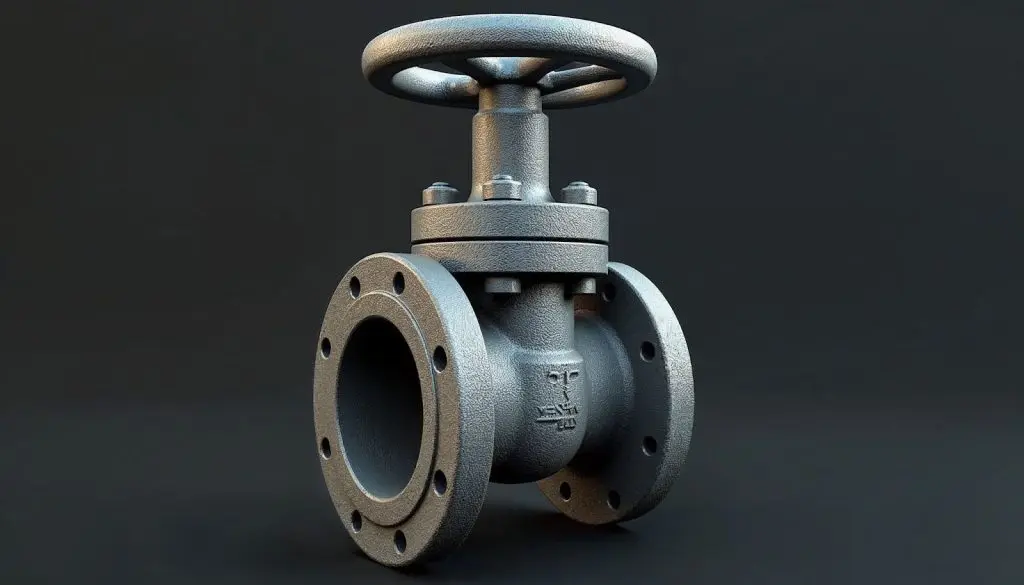
Valve body is the most basic and most easily ignored part of the valve. The structure seems simple, in fact, from the casting method, material selection to the dimensional accuracy, all determine whether the valve can run for a long time without leakage, without deformation.
We have seen a lot of valve problems in the field on the surface of the internal parts wear, in fact, the root cause is not enough rigidity of the valve body, or uneven wall thickness of the inner cavity resulting in stress concentration. Especially in the occasion of high pressure difference or high frequency switching, the valve body is unstable under pressure, and a slight deformation occurs after a long time, resulting in spool bias wear, sealing line misalignment, and then leakage or stalling.
There is also a very real problem is that many manufacturers in order to save costs, in non-standard conditions directly using the old mould production valve body, the result is that the flange is not allowed to face, the valve cavity space is not enough, the valve seat assembly is not in place and a bunch of hidden dangers, and finally can only rely on on-site welding and grinding, ‘to make up for the installation’. This in the power plant, chemical industry does not allow long downtime system, is a very big hidden danger.
From the material, common WCB, CF8, CF8M, 2205 duplex steel, 316, 304, and even F51, etc., choose the wrong material is not only easy to be corroded by the medium, but also in the hot and cold shock cracks or stress failure. We once saw in a chlor-alkali project, the valve body made of CF8M running half a year the inner cavity has been pitting corrosion, and later confirmed that the pipeline with chlorine ions in the concentration of moisture is much higher than the design value.
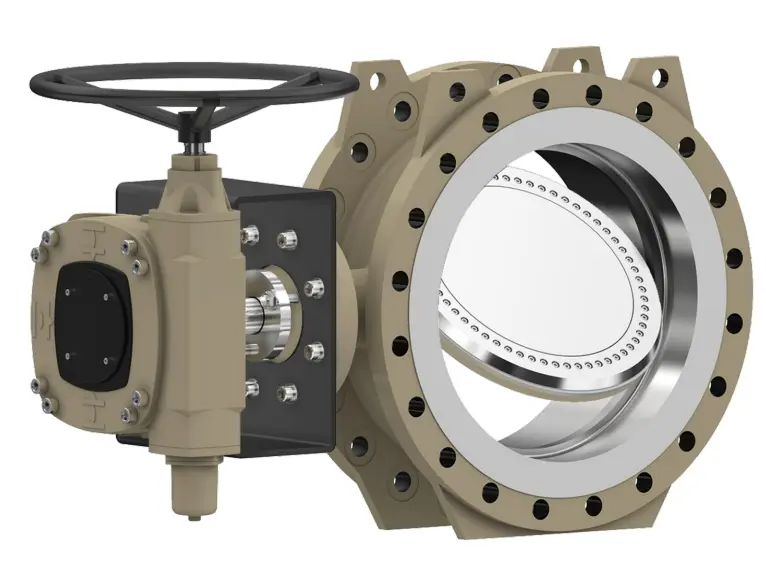
Structurally speaking, the valve body should not only pressure, temperature, but also to match the internal installation method. For example, the ball valve body needs to have enough wall thickness to support the axial thrust, the butterfly valve body should consider the sealing ring crimping space, the gate valve body should control the guiding accuracy of the gate plate, these are not just a few random drawings can be solved.
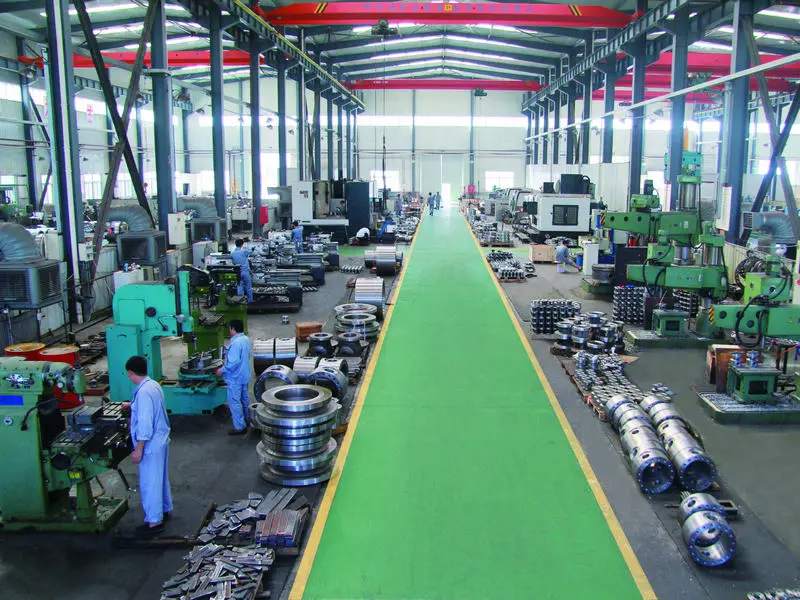
One Lime Machinery has accumulated a lot of project experience in valve body manufacturing, covering from small instrument valves to 24 inch heavy ball valve bodies, supporting precision casting, shell thickness control, surface sandblasting and non-destructive testing of valve cavities. We offer a wide range of material options such as CF8M, WCB, 2205, etc., and support customised modifications and prototyping according to the customer's supporting structure.
In conclusion, although the valve body is not the most expensive parts, but it is a whole set of valves can ‘carry’ the core. It is recommended that the engineering design and procurement personnel, early in the project to clarify the valve body parameters, connection forms and cavity structure requirements, do not wait until the assembly or test pressure only to find that ‘can not be installed’ or ‘top’.