



Stuffing Box Structure in the High Temperature and High Pressure Conditions of the Sealing Challenges and Improvement Ideas
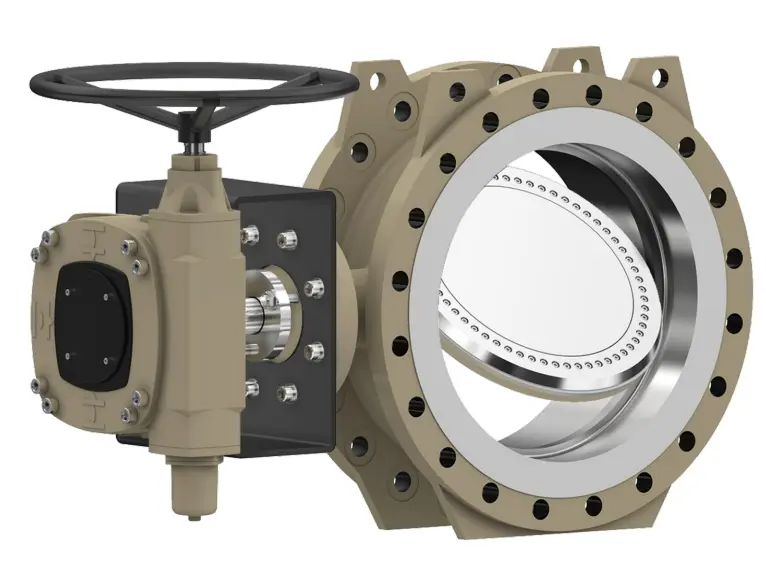
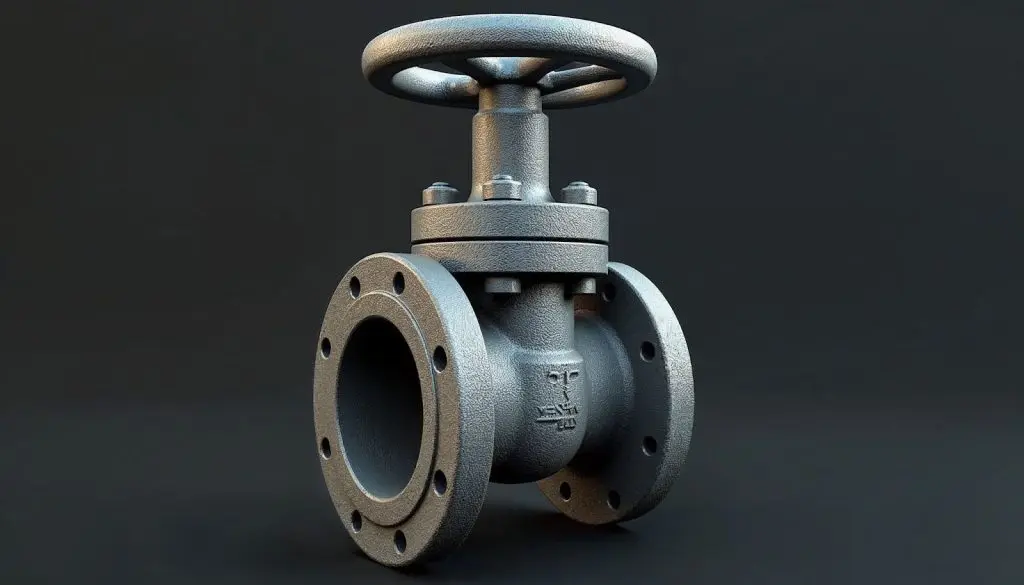
In the structure of ball valves and gate valves, the stuffing box as the core component of the stem sealing system, although static structure, but directly undertake the key task of preventing media leakage. Especially in high temperature and high pressure, frequent opening and closing conditions, the structural strength of the stuffing box, fit tolerance and packing performance together determine the life and stability of the entire sealing system.
In recent years, we have found in many chemical and energy industry projects that packing box sealing problems have gradually become a high failure point. A user feedback: a number of medium-pressure ball valves in the operation of half a year after the stem root leakage, further analysis shows that the packing force is uneven resulting in incomplete compression, and the inner cavity of the stuffing box there are coaxial deviation and roughness of the problem of insufficient.
For this kind of working condition, we recommend that the packing box structure should be optimised for symmetric compression design, and the inner cavity should be individually bored to control the inner wall roughness within Ra 0.8 and coaxiality not higher than 0.02 mm. In addition, the increase of guiding structure or limiting shoulder design will help the packing compression evenly and the valve stem steady state operation.
In terms of material selection, we often recommend the use of stainless steel such as AISI 316 or F6a to adapt to different corrosive media. The packing combination is recommended to be flexible graphite composite PTFE ring or metal-coated graphite washer, which has relatively better sealing resilience and aging resistance under high temperature.
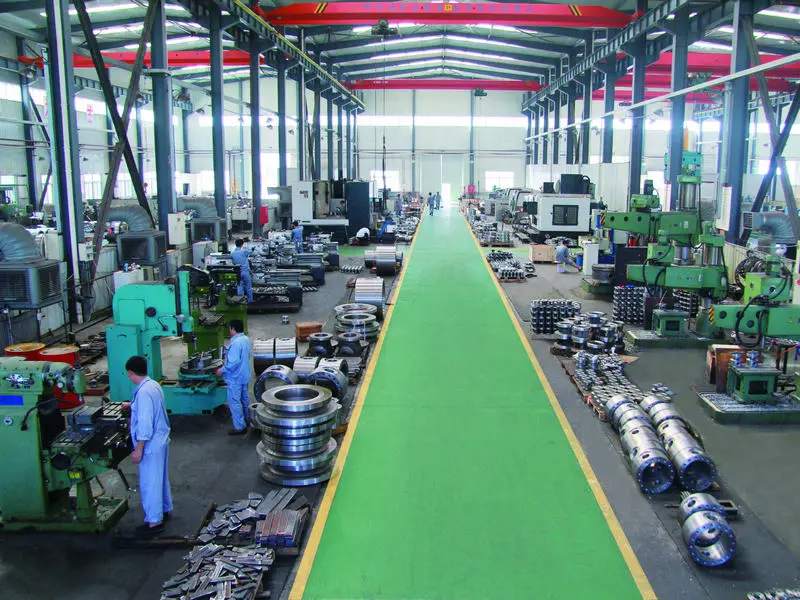
During machining, the fit of the stuffing box with the gland, upper sleeve and other associated parts must be assessed as a whole, not separately. We suggest that the mating relationship be marked uniformly at the drawing stage or linked by our modelling to ensure that the assembly gap is reasonable and the seal compression stroke is accurate. The overall structural design should take into account the opening and closing torque, packing stress and thermal expansion redundancy, in order to truly improve the overall sealing performance of the valve.