



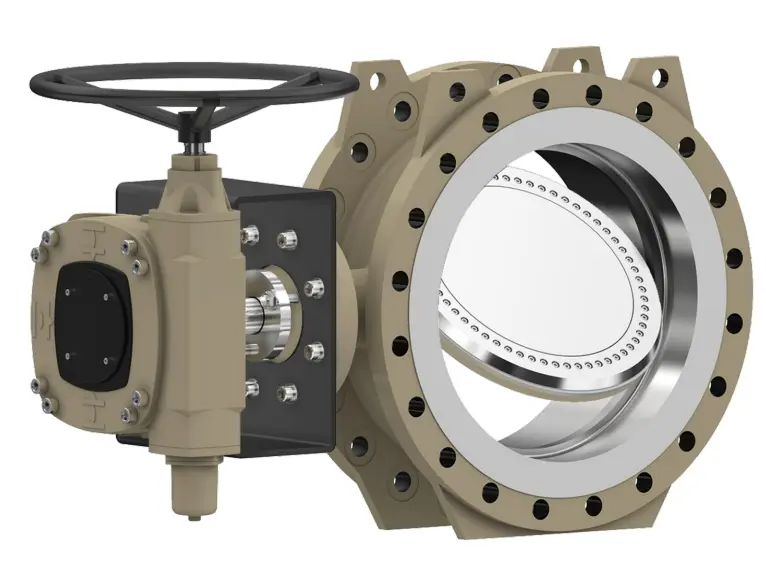
Stainless Valve Stem in Industrial Valve Service
In many valve assemblies the stem does not attract much attention. Most discussions usually focus on the valve body or the sealing design. In practice, however, the stem is the part that moves every time the valve operates. The torque from a handwheel or actuator is transferred through the stem, so its condition directly affects whether the valve can open or close smoothly.
Because of this, many manufacturers prefer using a stainless valve stem instead of carbon steel. Industrial valves often work in environments where moisture, temperature changes or chemical media are present. Over long periods of operation these conditions can cause corrosion on ordinary steel components. A stainless stem generally performs better under these circumstances and tends to maintain its surface condition longer.
Materials such as 304 and 316 stainless steel are widely used for this purpose. They provide reasonable strength while still offering good corrosion resistance. In some valve designs, particularly when higher mechanical strength is required, 17-4PH stainless steel may also be selected. These materials are commonly found in ball valves, gate valves and globe valves used in petrochemical plants, water systems and other industrial pipelines.
From a machining standpoint, producing a stainless valve stem requires attention to several details. The section of the stem that passes through the packing must have a stable surface finish. If the surface is too rough, packing wear can increase during operation. Over time that may lead to leakage or difficulty when operating the valve.
For this reason, the stem is normally produced with CNC turning followed by threading and finishing operations. Key dimensions are checked carefully, especially around the sealing areas. In many factories the material certificate is also verified so the stainless grade can be traced if needed.
Although the stem is only one component inside a valve assembly, it plays a practical role in daily operation. When the material quality and machining are controlled properly, a stainless valve stem can remain stable for many years of service, which is why it continues to be widely used in industrial valve manufacturing.