



Shifting Energy Priorities Are Quietly Changing Valve Component Standards
Over the past three years, several refinery expansion projects in the Middle East have added a new layer to their procurement specs. Right from the early design stage, EPCs are asking suppliers to meet API 6D standards for valve bodies and provide certified NACE MR0175 materials for hydrogen sulfide environments. The days when valve components were treated as "low-priority items" in the BOM are over.
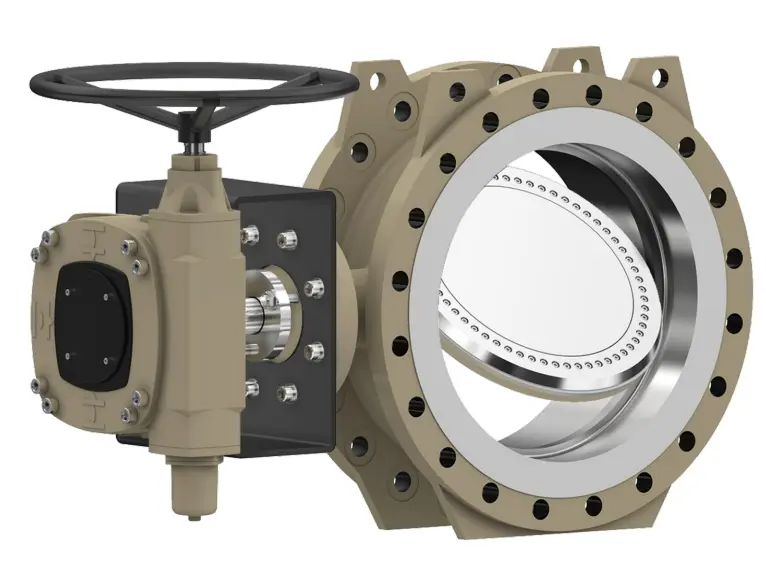
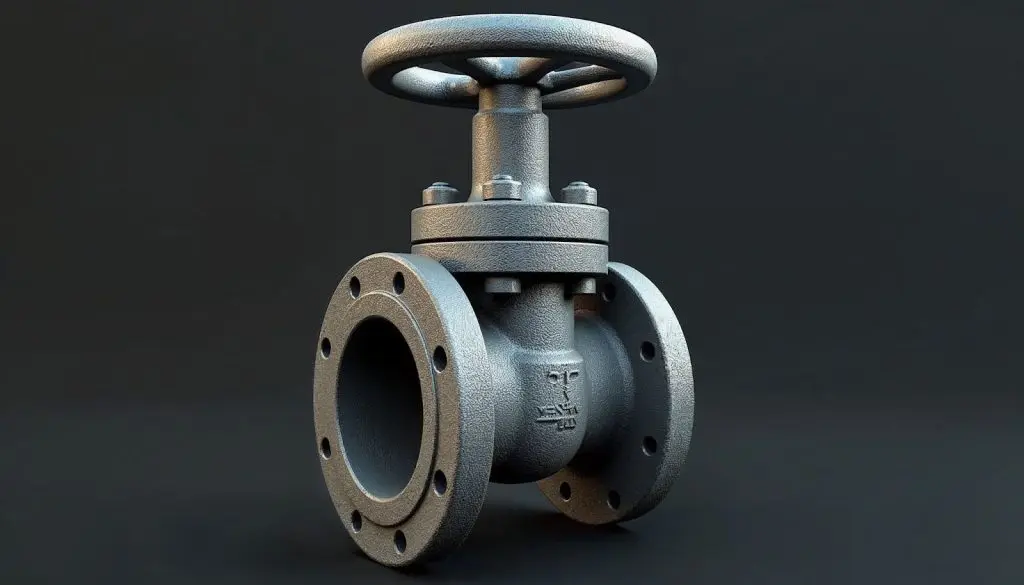
At a recent site in Abu Dhabi, we were approached after the original valve stems and seats began showing signs of fatigue within 18 months. The result? Poor flow control and a 7% drop in gas separation efficiency. After replacing them with forged bodies and surface-hardened stems from Yining, the new assemblies have been in continuous service for over 30 months—still running without performance loss.
These aren't just case studies. More and more, project owners are building this data directly into their RFQs and engineering drawings.
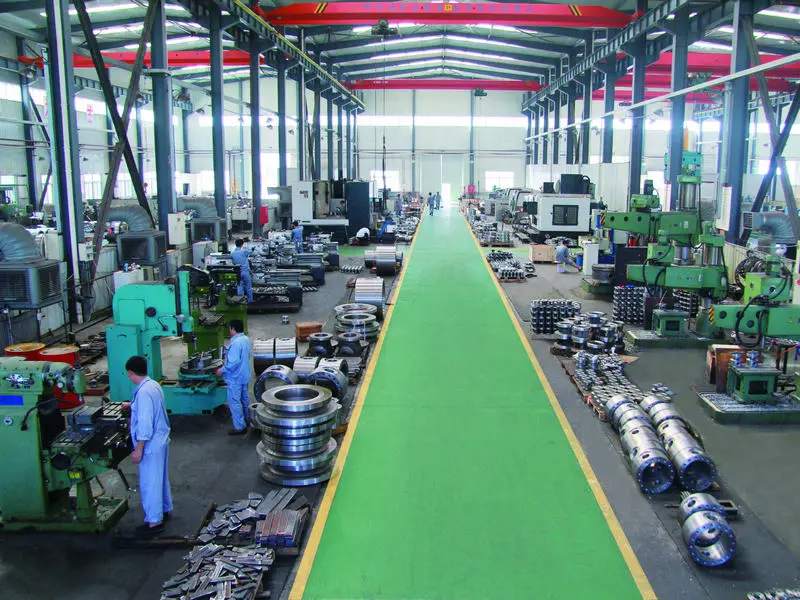
Since 2022, Yining Machinery has converted all valve assemblies for the oil and gas sector to use low-carbon, high-nickel alloys. We also introduced batch-level traceability for every casting. For any part operating above Class 900 pressure ratings, ultrasonic flaw detection is now part of our standard QC process. These aren't value-adds—they're expectations.
Today's buyers no longer ask just for price and delivery time. Now they ask:
"What's the surface hardness on your sealing face?"
"Is this valve seat compatible with our stem geometry?"
"Can you provide a full warranty dossier with MTCs and NDE reports?"
We welcome these questions. Because behind them is a clear message:
Customers are focused on system reliability—not just the unit cost of a single valve component.
The oil and gas sector is becoming more engineering-driven. And for us, that means every forged body, every seat, every stem we machine isn't just a spare part—it's a critical piece of the puzzle that holds the system together.
A valve component might be the smallest line item on your order form. But it's often the first thing to shut down a pipeline when it fails. We've built our business around making sure that doesn't happen.