



Practical Observations on Valve Component Supply in 2025
The discussions we’ve had with several customers recently all point in the same direction: in 2025, buyers are paying far more attention to the stability of valve components rather than just the price. Many projects in chemical and water industries are running tighter schedules, and delays caused by a single valve body or valve stem have become more common than most people expected.
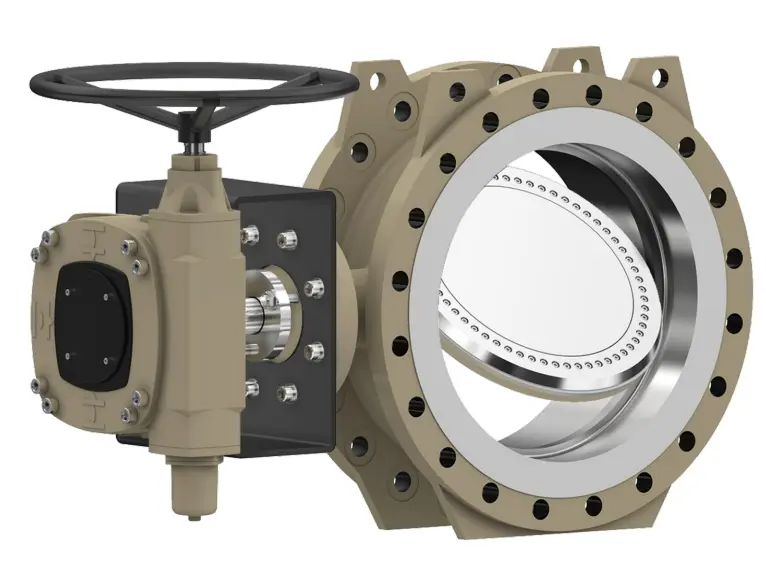
From what we see in the machining and casting workshops, the demand for CF8M valve parts, WCB valve bodies, and other stainless steel components is still climbing. Some buyers worry that casting slots in Asia might tighten again this year, especially for OEM valve seats, valve balls, and custom couplings. This is partly due to longer lead times for raw materials and partly because more companies are switching from low-cost foundries to stable manufacturers with traceable quality.
One noticeable change is that engineers now ask more detailed questions about machining tolerances. Ten years ago, most customers only checked the drawing and signed. Today, we often receive additional notes about surface finish, runout of a valve stem, or the hardness requirement for a ball valve lower shaft. It shows that end users have experienced enough failures in harsh working conditions to justify stricter control.
For stainless steel parts, especially CF8M castings, buyers want proof that the internal defects are under control. Radiographic inspection and 3.1 certificates are almost standard now. A few customers from the U.S. even require machining videos for the first sample to verify the CNC path. This trend is likely to continue throughout 2025.
Another point worth mentioning: freight costs are no longer the biggest concern. Many customers, especially in North America, prefer predictable delivery over small price differences. A late valve cover or valve seat ring can stop a whole line, but the price difference of a few dollars doesn’t matter much in the final project.
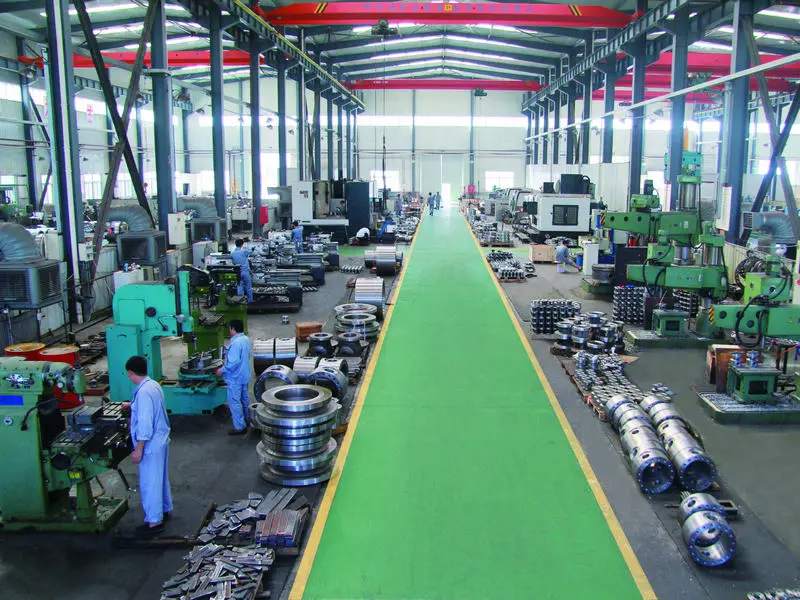
For manufacturers like us, the real challenge is balancing casting, machining, tooling updates, and small-batch custom work. Some projects require new tooling for valve bodies or bonnet parts, while others need one-off machined components based on samples. It means we must keep CNC capacity flexible enough to handle sudden orders, especially sample orders that need to be air-freighted.
Looking at the rest of 2025, the safest plan for buyers seems to be confirming drawings early and reserving future production slots—especially for stainless steel valve components. If the drawings involve tight tolerances, it’s better to run a first-article test before committing to larger quantities. Many delays come from drawings that were not revised on time.
For anyone sourcing valve bodies, stems, seats, balls, covers, or custom machined parts, the key is choosing a supplier that can control casting and machining consistently, not just one that offers a low starting price. The projects we’ve worked on recently all show that buyers benefit more from stable quality and fewer unexpected changes.
If you need technical advice on materials or machining details, our engineers are always open to discussing practical solutions. We understand that every plant, every line, and every valve application has its own issues that don’t always show up on paper.