



PFAS Rule Shifts in 2025: What They Mean for Valve Seals, Seats, and Compliance
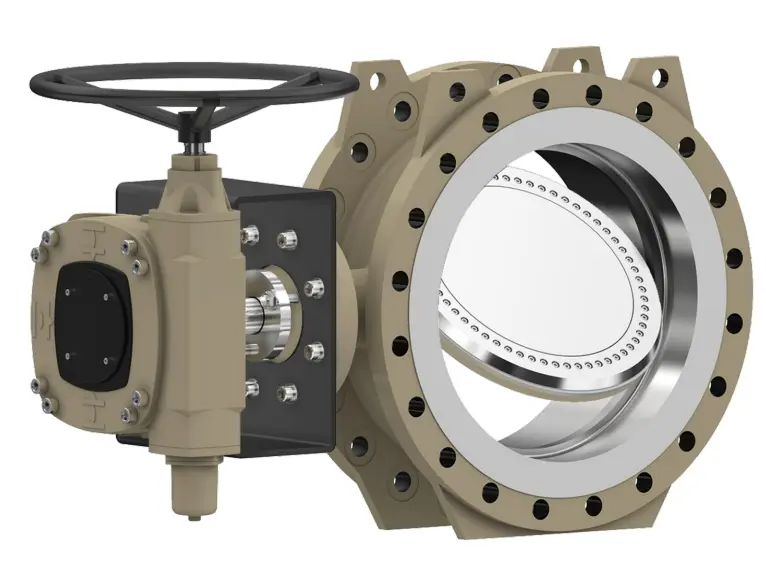
Regulatory momentum around PFAS is accelerating on both sides of the Atlantic, and it directly touches valve sealing choices (PTFE/PFA seats, packings, coatings). In August 2025, ECHA released an updated background document advancing the EU-wide PFAS restriction under REACH, signaling broader scope and fewer exemptions over time. For any valve built with fluoropolymer-based seals, documentation and forward sourcing plans now matter more than ever.
In the U.S., EPA finalized national PFAS drinking-water standards in 2024 (MCLs at 4 ppt for PFOA/PFOS; 10 ppt for PFNA/PFHxS/GenX) and, in 2025, confirmed it will keep those core limits while adjusting compliance timing and frameworks. Utilities and industrial buyers that specify valve packages for water and wastewater projects will increasingly push suppliers to disclose PFAS content in seats, packing, and gaskets. Expect larger bid packets asking for material SDS, resin families, and test data tied to valve wetted components.
States are also moving. Even as federal schedules shift, multiple U.S. states are introducing or tightening their own PFAS rules, creating a patchwork that valve OEMs selling into water, food, or pharma must navigate carefully. For multinational valve buyers, a single “EU+US strict” material baseline can reduce change-order risk.
Practical takeaways for 2025 sourcing
• Material mapping. Build a bill-of-materials view down to seat/packing resin for each valve size/class. Capture PFAS status and plausible substitutes.
• Alternatives plan. Where possible, evaluate graphite, modified PTFE blends, or PEEK as interim options for critical valve duties (temperature/chemical permitting).
• Test evidence. For high-purity water and food service, request extractables/leachables data for the exact valve seat and packing sets.
• Lifecycle view. Confirm replacement kits for the same valve series are aligned—avoid mixed materials across MRO cycles.
• Labeling & docs. Standardize PFAS disclosures in the valve data sheet set (IOM, parts list, sealing kit codes) to speed customer audits.
Engineering notes
Performance still rules. A low-leakage valve with well-qualified seats may remain the best choice in corrosive service, but forward-proofing designs—e.g., dual-qualified seat options—helps avoid late redesigns. For OEMs, documenting resin genealogy for each valve sealing component will soon be table stakes.
For end users, an annual review of valve material standards against evolving PFAS rules is prudent. It’s cheaper to pre-approve alternates now than to swap entire valve lines mid-project.