



Notes on Using Forged Valve Components in Actual Projects
In valve component manufacturing, both casting and forging are still being used.
Which one makes more sense usually depends on the application, not on theory.
For low or moderate pressure valves, cast parts are often acceptable. But in several projects we have worked on, once the pressure rating goes up, or the valve is operated frequently, customers tend to specify forged parts for the main load-bearing components.
This choice is usually made to avoid problems later, not to upgrade the design.
What We See in Production
The main difference with forged parts is the material condition.
Because the steel is formed under high pressure, the internal structure is more compact and uniform.
This becomes obvious during machining.
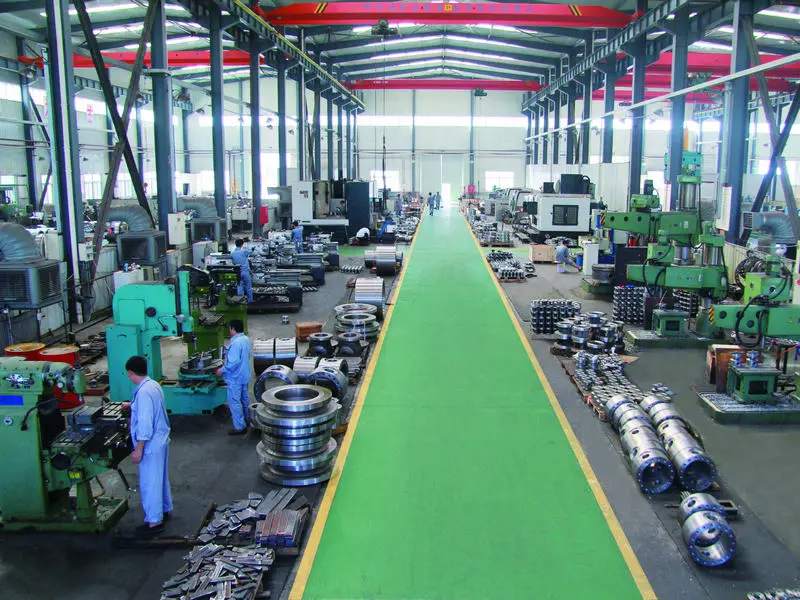
When machining forged valve bodies or stems, cutting is more stable, tool wear is more predictable, and it is easier to keep dimensions consistent. With cast parts, material variation sometimes shows up during CNC machining, especially on thicker sections.
These differences may seem small, but in batch production they affect assembly consistency and rework rates.
Components Commonly Specified as Forged
In OEM and ODM projects, forged structures are often required for parts such as:
-
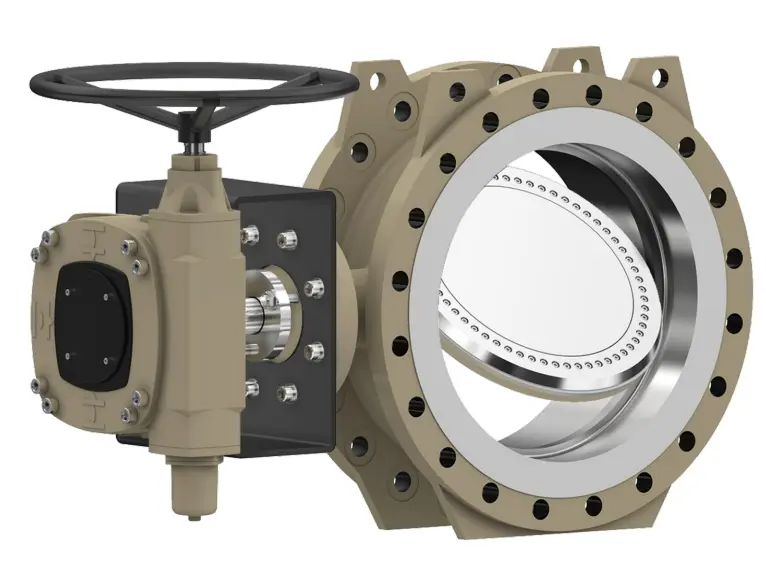
Valve bodies and bonnets
-
Valve stems and lower stems
-
Balls used in trunnion-mounted ball valves
-
Couplings, brackets, and actuator connection parts
These components are difficult and costly to replace once the valve is in service, so customers tend to be more cautious at the design stage.
Forging Is Not the Final Answer
Forging alone does not guarantee good valve components.
If machining allowance is not suitable, sealing surfaces are poorly finished, or key dimensions are not checked during production, the advantage of forging can be lost very quickly.
For this reason, customers usually look at forging capability together with CNC machining stability and inspection control, rather than evaluating forging as a single process.
A Conservative but Safer Option
From our experience, choosing forged valve components is often a conservative decision.
It is not always the lowest-cost solution, but it helps reduce uncertainty during long-term operation.
For valves used in oil & gas, petrochemical, power generation, and similar services, forged components are increasingly selected simply because they are more predictable.